 Degchi
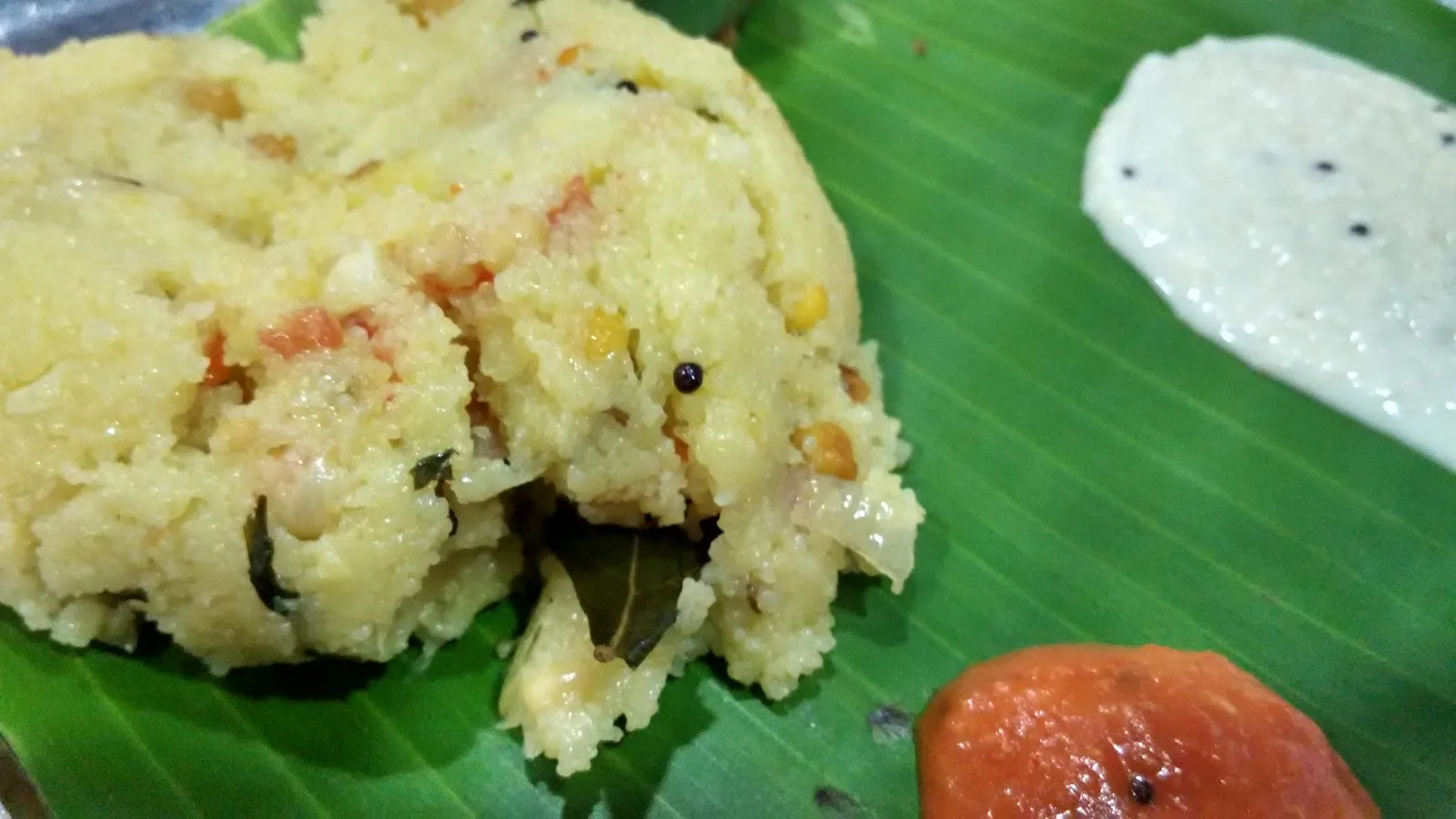
Mustard Seeds (Rai): Why They Pop and When to Add Them
You heat the oil, tip in a teaspoon of mustard seeds and nothing happens. You wait, then give up and add the onion. Two minutes later, the dish tastes faintly of cardboard and the seeds sit in it like tiny grey stones. Or the opposite: the seeds pop for a second, fly across the kitchen, and the oil goes bitter and dark. Knowing how mustard seeds behave in hot oil is the small skill that makes upma, lemon rice and rasam taste right.
What is happening when mustard seeds pop
Each seed holds a little moisture. In hot oil that moisture turns to steam and splits the seed coat, which is the pop. The seed then releases its flavour into the oil. That is why the first thing the recipe says is to temper them "until they crackle": no crackle, no flavour.
If the oil is not hot enough, the seeds just soften and stay dull. If it is far too hot, they pop, burn in seconds and turn bitter.
The test: a single seed
Before you add the spoonful, drop in one seed. If it sizzles and dances within a couple of seconds, the oil is ready. If it sits there, wait. Medium to medium-high heat is the working zone, and your pan should be dry, because water makes everything spit.
How much to use in which dish
Our recipes keep to a similar amount for a pot that feeds four, with exceptions:
| Dish | Mustard seeds |
|---|---|
| Upma | 1 tsp |
| Lemon rice | 1 tsp |
| Curd rice | 1 tsp |
| Rasam | 1 tsp |
| Masala dosa | 1 tsp |
| Vada pav | 1 tsp |
| Shorshe ilish (ground to a paste) | 3 tbsp |
That last one is a different technique entirely. In Bengali shorshe dishes the seeds are ground wet and cooked as a sauce, not popped whole in oil, which is why the amount is so different and why the bitterness problem is worse. Our mustard paste post deals with that side.
The sequence in a tempering
The order in a typical South Indian tadka is:
- Hot oil.
- Mustard seeds, wait for the crackle, around 30 to 60 seconds.
- Whole red chilli, chana or urad daal if the recipe has them.
- Curry leaves, which will spit, so keep a lid handy.
- Onion, or the dish itself.
Our upma recipe follows this and says to temper the mustard seeds and curry leaves until they crackle, then fry the onion and green chilli. The rasam's final tempering is about a minute and is poured over the pot. A tight lid or splatter screen is useful here. If you are not sure what a tempering is, the tadka explainer starts from zero.
Black, brown or yellow?
The seeds sold in desi shops as rai are normally small, round and dark brown to black. Yellow mustard seeds, the larger pale type sold in supermarkets, are milder. In a pinch you can use them for tempering, but you may need a little more and the flavour will be softer.
<!-- VERIFY: black/brown rai vs yellow seed flavour and substitution guidance is general spice knowledge, not from a cited source. -->
Problems and fixes
- Seeds will not pop. Oil too cool, or the seeds are old. Turn up the heat slightly, and if they still stay silent after a minute, the batch is probably stale; our spice shelf audit explains how to check.
- Bitter taste. The seeds burned. Throw out the oil and start again; adding more spice will not hide it.
- Seeds pop out of the pan. Cover the pan with a lid and tilt it open slightly, or use a deeper pot.
- Seeds are in the dish but tasteless. They went in with food already in the pan, so they never got hot enough.
Why the amount stays small
A teaspoon looks like too little for a pot of upma or four plates of lemon rice. It is enough, because each seed releases most of its flavour in the oil and the oil spreads it through every grain. Doubling it does not make the dish twice as good; it makes the tadka gritty and sharp. If you want a stronger mustard note, fry the seeds for the full crackle instead of adding more, and pair them with fresh curry leaves, which our curry leaves guide covers. Also keep a small lidded jar for the seeds near the stove, so you can measure by the spoon without opening a big packet over steam.
Dry-toasting is a different job
For some masalas you roast whole spices in a dry pan, which is covered in the dry-roasting timing guide. Do not do this with mustard seeds you plan to temper; they will pop out of a dry pan and burn quickly. Keep them for oil.
Storage
Whole seeds stay fresh longer than most ground spices. A sealed jar in a cool cupboard is enough. Our how long do spices last post gives manufacturer figures and a smell test you can adapt: crush a few seeds and sniff; a sharp pungency means they are fine, a flat smell means replace them.
Quick tempering checklist
- Dry pan, medium heat, oil shimmering.
- Test seed first.
- Add the rest, cover, wait for the popping to slow.
- Move on to chilli, daal and leaves immediately.
- If it smells burnt, restart.
Planning a few South Indian dinners this week? Degchi shows which ones your pantry already covers, including upma and lemon rice.
Related recipes
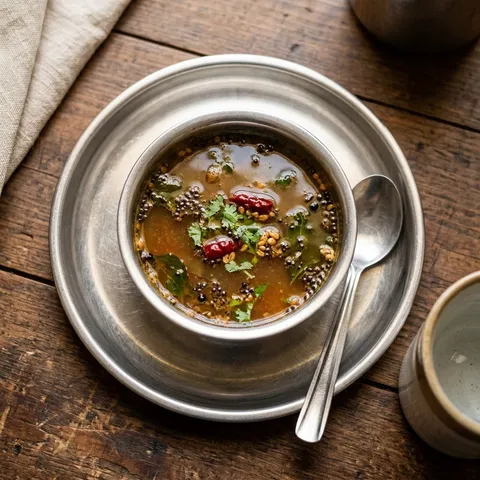
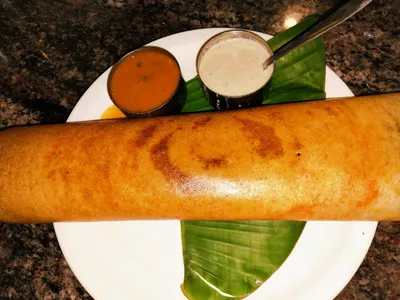
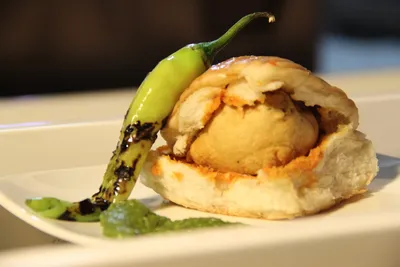
Related posts
The Desi Kitchen Grocery List for Life in the US or UK
Stocking a desi kitchen far from home is mostly about knowing which items are worth buying in bulk, which are worth buying fresh, and which have easy substitutes.
Why Does My Daal Taste Flat? Tadka and Seasoning Fixes
The lentils are soft, the colour is right, and it still tastes like nothing. Check these seven things, in this order, before you add more spice.
Why Does My Curry Taste Raw? Bhunai and Spice Timing
A curry that tastes sharp, powdery or "uncooked" usually skipped the slow cooking of the masala. Learn what bhunai is, when to add spices and how to rescue the pot.
South Indian Tiffin Plate: What Goes With What
Idli, dosa, vada, sambar, rasam, curd rice. Which one is breakfast, which is lunch, and which sides actually belong together on one plate.