 Degchi
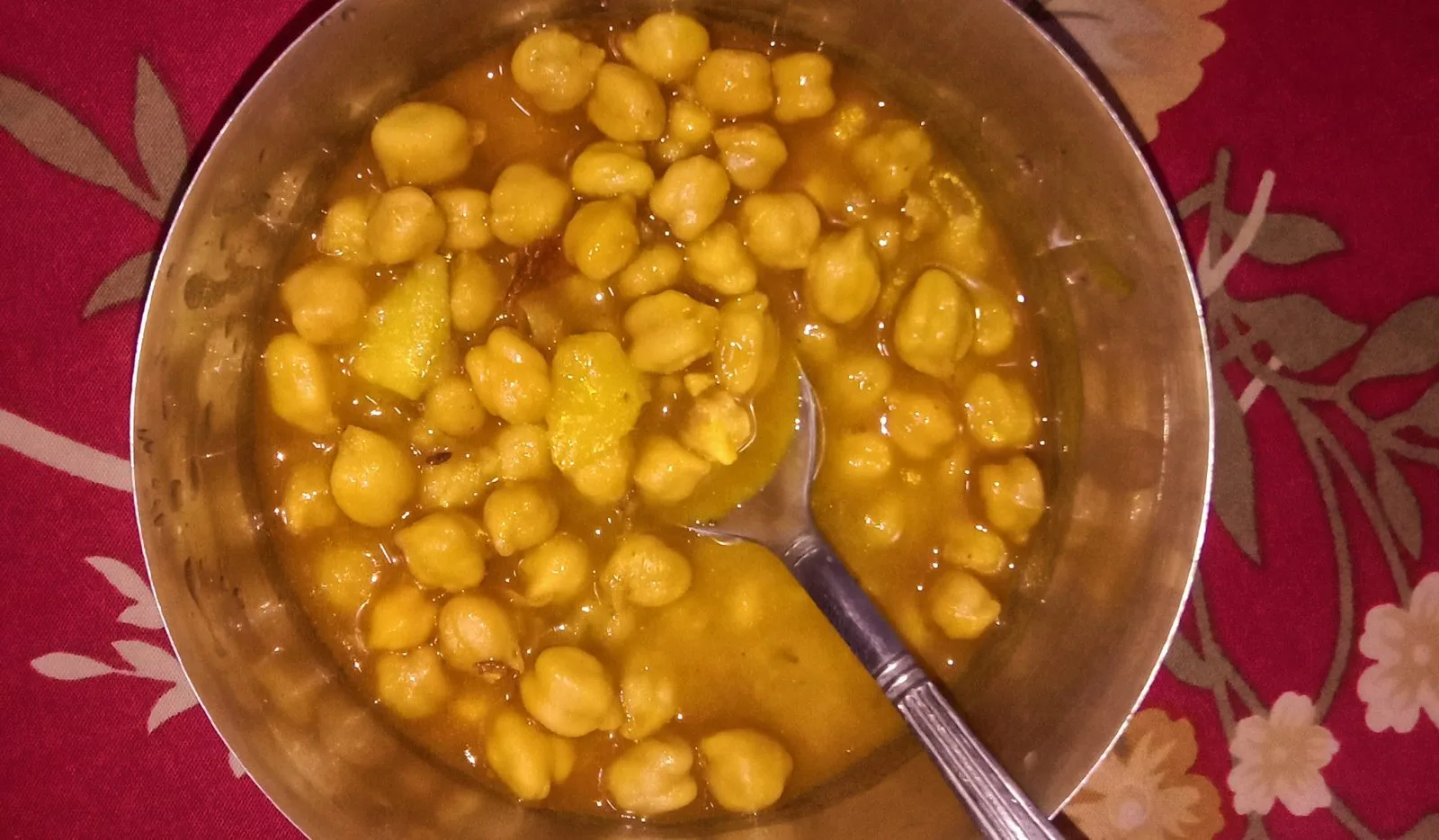
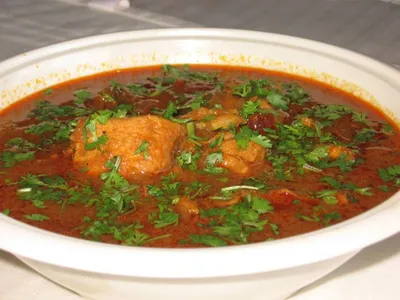
Photo: Billjones94 / CC BY-SA 4.0
Why Does My Curry Taste Raw? Bhunai and Spice Timing
You followed the recipe. The chicken is tender and the gravy looks right, but the first spoonful tastes sharp, a little gritty and somehow unfinished. If your curry tastes raw, the meat is not the problem. The masala is.
The skill that fixes it has a name, bhunai (also written bhunna): frying the onion-tomato-spice base slowly until it changes colour, loses its water and releases its oil. Beginners usually skip it, or stop early.
What "raw" actually means
Ground spices have a dusty, bitter edge until they are cooked in fat. Raw ginger and garlic taste sharp. Tomato is sour until the water has gone. Raw onion adds a pungent bite. None of these are unsafe. They just haven't turned into the rounded flavour you associate with a good curry.
Cooking the base does three things: it evaporates water, it softens harsh flavours, and it lets the oil separate and carry spice flavour through the gravy. When all three have happened, the masala looks glossy, deeper in colour and slightly jammy.
The stages, in order
For a typical chicken or vegetable curry serving 4, with 2 onions and 3 tomatoes:
- Onions in oil or ghee, cooked to the colour the dish needs. See how to brown onions.
- Ginger-garlic paste, about 1 tablespoon each, stirred for a minute or so until the raw smell fades. Add a splash of water if it sticks.
- Tomatoes, chopped or pureed, cooked down until soft and pulpy, typically 8 to 10 minutes.
- Powdered spices (turmeric, chilli, coriander, and so on), stirred in on lowered heat for 30 to 60 seconds. Spices scorch quickly in hot oil, so add a spoon of water if the pan is dry.
- The bhunai. Keep cooking, stirring, until oil visibly separates and pools at the edges and the paste pulls away from the pan. This commonly takes another 5 to 10 minutes.
- Meat or vegetables go in, coated in the paste, then water.
Times are guides only. The signals matter more: the smell changes from sharp to sweet-savoury, the colour deepens, oil shows at the edges.
Why the rush happens
- The heat is too low, so the base barely simmers and water never leaves.
- The pan is crowded, so ingredients steam.
- Spices went in first on high heat and scorched, so you panicked and added water too early.
- Water went in too soon. Adding water before the masala is cooked halts the frying and turns it into a boiled sauce.
- No patience at step 5. The pot looks done because the colour has changed, but the oil has not separated.
Whole spices, ground spices and finishing spices
A raw taste can also come from adding the wrong spice at the wrong time.
| Spice type | When it goes in | Why |
|---|---|---|
| Whole spices (cumin seed, cardamom, cloves, bay leaf) | Into hot oil at the very start | They need heat to release oils |
| Ground spices | After tomatoes, on lower heat, then cooked until oil separates | They scorch fast and taste dusty raw |
| Garam masala | Near the end, or sprinkled just before serving | Its aroma fades with long cooking |
| Fresh coriander, mint, green chillies | Last | They lose freshness if cooked long |
Dry-roasting whole spices before grinding them also changes the taste; see dry roasting whole spices. For a different spice step, a tempering poured over a finished dish, see tadka at the end vs masala at the start.
Rescuing a curry that already tastes raw
Do not just add more spice. Try this instead.
- Put the curry back on medium heat with the lid off.
- In a small pan, heat 1 to 2 tablespoons (15 to 30 ml) of oil or ghee. Add a teaspoon of cumin seeds, wait until they sizzle, then add a spoon of finely chopped onion or garlic and cook until golden.
- Stir this in. A fresh tempering adds the cooked flavour the base was missing.
- Simmer for 10 to 15 minutes. Extra cooking time helps raw spices mellow even after the fact.
- Taste. A small pinch of sugar, about 1/4 teaspoon, can soften sharpness from tomato. Salt last.
For chana masala or daal, the same rescue works: heat fat, fry cumin and garlic, pour over.
If the curry also turned out sour, see why a curry tastes too sour.
Dishes where bhunai matters most
- Meat curries like chicken handi: the paste has to coat the meat.
- Dry vegetable dishes like bhindi masala: there is little liquid to carry the flavour, so the base must be properly cooked.
- Chana masala: canned or boiled chickpeas absorb whatever raw taste is in the sauce.
- Daal: the finishing tadka is the cooked-fat step; skipping it leaves the pot flat.
A related skill is not burning things in the process. See bhuna gosht without burning for managing the pan once the water has gone.
A pre-flight list before you add water
- Oil is visible around the edges of the masala.
- The paste has darkened by a shade and looks glossy, not wet.
- The spice smell is rounded, not sharp or dusty.
- It sticks slightly and pulls away from the pan when stirred.
- Only now add the meat, then water.
If you want to know which curries your spice shelf already supports, the Degchi pantry sandbox can match what you have, including cumin, turmeric and coriander powder, before you start the bhunai.
Related recipes
Related posts
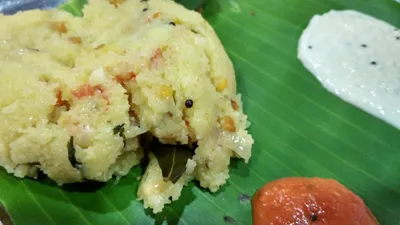
Mustard Seeds (Rai): Why They Pop and When to Add Them
Mustard seeds that will not pop, or pop and turn bitter, wreck a tadka before it starts. Here is the heat, timing and amounts that work for South Indian dishes.
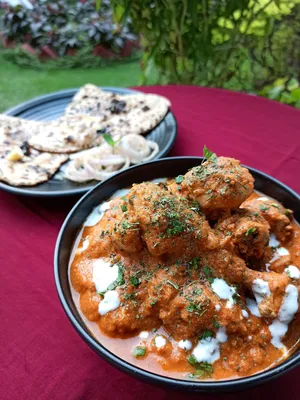
Curry Too Thin or Watery? How to Thicken Gravy
Thin, watery curry usually has one of five causes. Here is how to find yours and thicken the gravy without making it pasty or changing the flavour.
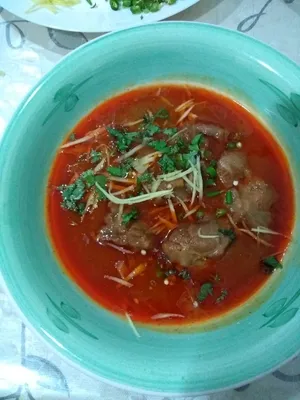
How to Thaw Frozen Meat for Curry Safely
Frozen meat, a hungry family and 5 pm. Here are the safe ways to thaw chicken, mutton and mince for curry, with timings, and what not to do on the counter.
How to Brown Onions for Curry: Golden, Not Burnt
Pale onions give a thin, raw-tasting gravy and scorched ones turn it bitter. Here is how to brown onions for curry, with a colour guide and the fixes for each mistake.