 Degchi
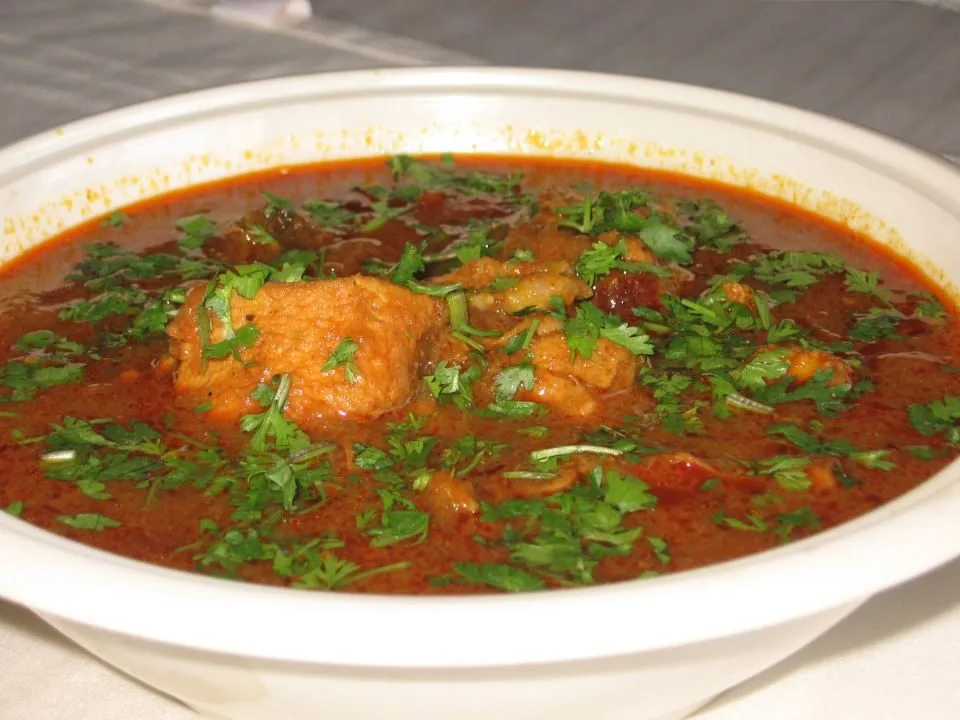
Photo: Vivekprasad97 / CC BY-SA 4.0
How to Brown Onions for Curry: Golden, Not Burnt
You have been stirring onions for ten minutes and they are still the colour of a boiled egg. You turn the heat up, look at your phone for a minute, and now the edges are black and the whole pan smells acrid. That swing from pale to burnt is the most common early mistake in South Asian cooking, and it comes down to a few things you can control.
This guide covers how to brown onions for curry properly: what size pan, what heat, how long, and what colour you are aiming for at each stage.
Why onions go pale, then burn
Raw onion is mostly water. Until that water cooks off, the onion cannot brown, it can only soften and steam. Once the water is gone, the sugars in the onion start to colour very quickly. That is why nothing seems to happen for a long time and then everything happens in two minutes.
The practical lesson: spend your attention on the first half, when you are driving off water, and stay at the stove for the second half, when colour arrives fast.
Pick the right pan and cut
A crowded pan steams onions instead of browning them. As a rough guide, a wide pan with onions spread no more than about 2 cm (3/4 inch) deep gives water room to escape. A deep, narrow pot works, but it takes longer and you will stir more.
Slice size matters too:
- Thin, even half-moons brown evenly. Thick chunks colour outside while staying raw inside.
- Finely chopped onions brown faster and burn faster, which suits recipes where the onion melts into the gravy, like chicken handi or a quick aloo gosht.
- Uneven pieces are the usual cause of "some burnt, some raw". Cut them to a similar size before they go in.
A heavy base helps because it spreads heat. Thin pots make hot spots, which is why we wrote about heavy-bottom pots for dum.
Heat, fat and timing
Start on medium, not high. Use enough oil or ghee to coat the onions; a common starting point is about 3 to 4 tablespoons (45 to 60 ml) for 2 medium onions, though recipes vary. Too little fat makes onions stick and scorch.
A rough timeline for 2 medium sliced onions (about 300 g or 2 cups) on medium heat:
- 0 to 5 minutes: onions turn translucent and release water. Stir every minute or so.
- 5 to 10 minutes: the pan sounds wet and bubbly. Edges begin to look light gold.
- 10 to 15 minutes: the sizzling gets quieter and drier. Now the colour moves. Stir constantly.
- 15 to 20 minutes: deep golden to light brown, depending on the dish.
These times are a guide, not a promise. Your pan, stove and onion size change them. Go by colour and smell.
A pinch of salt added at the start draws water out sooner and helps the first stage along. Do not add much, because the dish still needs seasoning later.
The colour guide
Different dishes want different stages. Taking onions further than the recipe intends changes the flavour of the finished dish.
| Colour | What it looks like | Good for |
|---|---|---|
| Translucent | Soft, glassy, no colour | Light white gravies, some daal bases |
| Pale gold | Edges just turning straw-coloured | Qorma, kofta gravies, white karahi |
| Golden | Even honey colour | Most everyday curries and chicken handi |
| Light brown | Tea colour, a few darker flecks | Bhuna dishes, beef bhuna |
| Dark brown (birista) | Deep mahogany, crisp when cooled | Biryani layering, garnish for chicken biryani |
If the recipe just says "fry until golden" and you are unsure, stop at honey colour. You can always cook a little longer, but you cannot undo a burnt batch.
The splash-of-water trick
When onions are colouring fast and you are not ready to move on, a tablespoon (15 ml) of water splashed into the pan slows the browning, cools the pan a little and loosens anything stuck. Stir, let it cook off, and carry on. Use it sparingly, since more water means you are steaming again.
It is also a rescue move for onions that are browning unevenly: lower the heat, add the splash, and stir the dark edges back into the pale middle.
What to do when it goes wrong
- Onions still pale after 15 minutes. The pan is probably crowded or the heat too low. Raise the heat slightly and spread them out. Salt can help draw out water.
- Dark spots and a sharp smell. Burnt bits make the whole gravy bitter, and picking them out rarely fixes it. If only a small amount scorched, lift the good onions into a clean pan and leave the burnt layer behind.
- Onions stuck to the pan. Add the splash of water and scrape. If the stuck layer is black, do not scrape it into the dish.
- Biryani onions went soft after cooling. Birista needs to be dark and fried dry. Spread it on kitchen paper to drain and cool, since it keeps crisping as it cools. If it was taken out too early it will be chewy, not crisp.
- Gravy tastes sharp and raw later. Often the onions never fully cooked down. Next time, give the first stage more time before adding spices, and see why a curry tastes raw.
Make-ahead onions
Browned onions keep well, so many home cooks fry a big batch once. You can cool them completely and refrigerate for a few days in a clean, covered container, or freeze flat in small portions. Reheat them in a pan with the other ingredients, never leave them out for hours. For a fuller make-ahead routine, see our onion tomato masala base guide.
A fast reference for next time
- Start medium, spread the onions out, use enough fat.
- Be patient in the first 10 minutes, stay close in the last 5.
- Match the colour to the dish, not to a timer.
- Splash a spoon of water if colour is racing ahead.
- Start over rather than hide burnt onion in a gravy.
If you keep a list of what is in your kitchen, the Degchi pantry sandbox can show you which dishes you can already make with onions, tomatoes and the spices on your shelf, so the first pan of golden onions is not a trip to the shop.
Related recipes
Related posts
Potatoes Hard or Mushy in Curry? How to Get Them Right
Hard in the middle or dissolved into paste, potatoes are tricky in curry. Here is which potato to buy, how to cut it and exactly when it should go into the pot.
Why Is My Chicken Curry Dry or Rubbery? Fixes
Chicken curry can turn dry or rubbery even when the gravy is perfect. Here is which cut to use, how to cook it to 74 C / 165 F and not beyond, and how to rescue it.
Why Is My Curry Oily? Oil Separation vs a Split Gravy
In many desi recipes, oil rising to the top is the signal to move on. A curdled yogurt gravy is a different problem. Here is how to tell them apart and fix both.
Curry Too Thin or Watery? How to Thicken Gravy
Thin, watery curry usually has one of five causes. Here is how to find yours and thicken the gravy without making it pasty or changing the flavour.