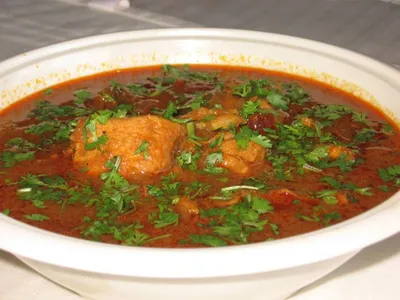
Degchi
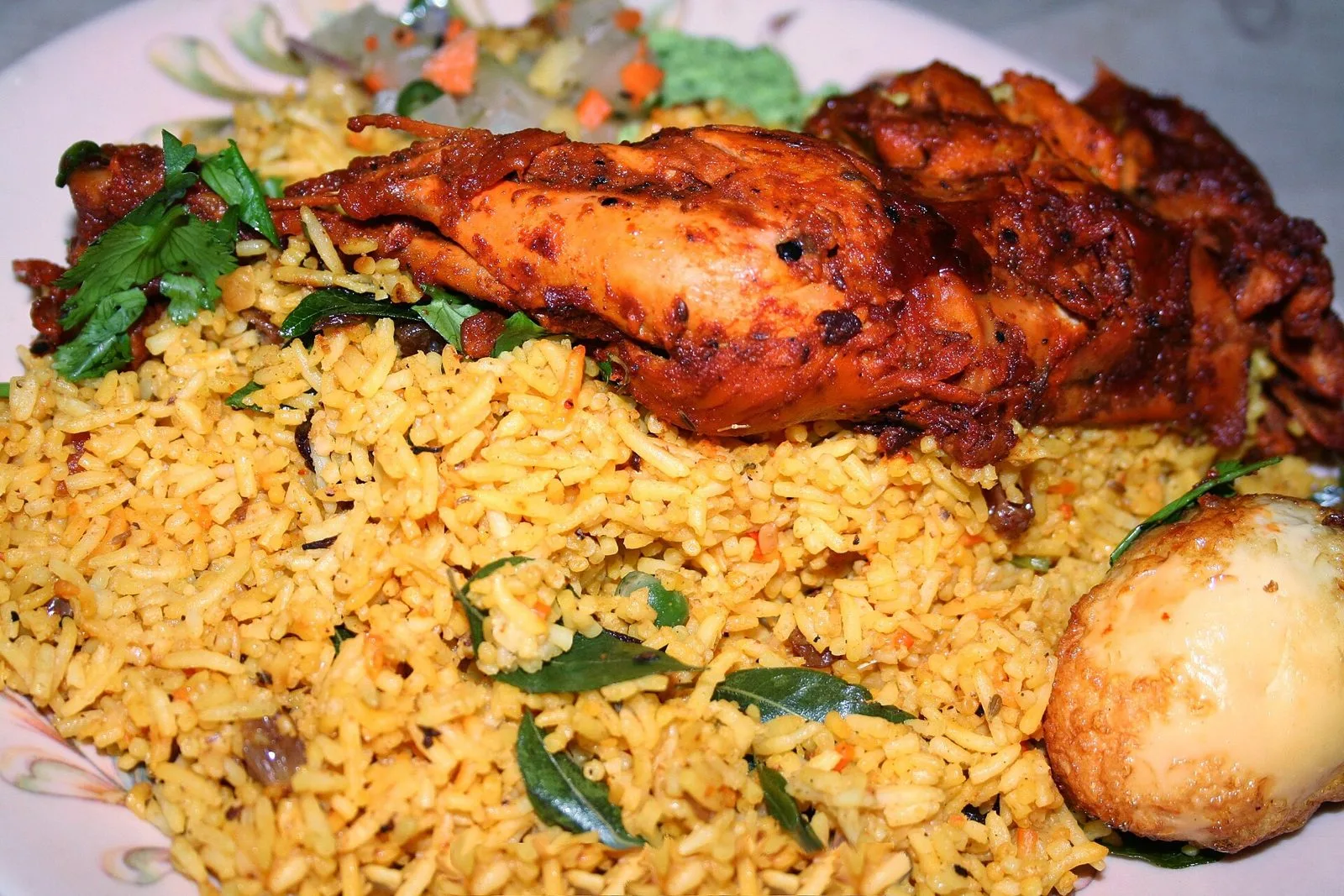
Photo: Shehal / CC BY-SA 4.0
Heavy-Bottom Pot for Dum: Why Thin Pots Scorch
You did the layers properly. The rice smelled right at the 20 minute mark. Then you lifted the lid and found a black crust welded to the pot, while the top layer was still firm. If that is your biryani, look at the pot before you blame the recipe.
A heavy-bottom pot for dum cooking solves one specific problem: it spreads heat evenly and holds it at a low, steady level, so the food touching the base does not burn before the steam finishes the rest.
What dum actually asks of a pot
Dum means slow, sealed steam. You trap the moisture, drop the flame to the lowest setting and let the dish finish itself. Our chicken biryani does this in three stages. The rice is boiled for 5 to 6 minutes and drained, then it is layered over a thick gravy. The pot goes on medium heat for 3 minutes, then on the lowest flame for about 20 minutes, and it rests 10 minutes covered. The Hyderabadi biryani takes it further, with raw marinated chicken under half-cooked rice and about 40 minutes of dum.
That is a long time for the base of the pot to sit at a small flame. Two things go wrong in a thin pot:
- Hot spots. A thin base sits directly in the flame ring. The metal above the flame gets much hotter than the metal beside it, so one patch scorches while the rest of the base barely cooks.
- No buffer. A thick base absorbs the burner's cycling and passes it up gently. A thin one transfers every spike straight into the gravy layer.
The bottom layer in a biryani is the thickest, richest masala. Sugary onions and yogurt solids char fast, and burnt flavour travels through the pot with the steam.
How to recognise a pot that will scorch
You do not need a brand name. Check these things.
- Weight. Lift it empty. A pot that feels flimsy or flexes when you press the base with your thumb is thin.
- A bonded or layered base. Many pots have a thick disc of aluminium or copper bonded under the base, sometimes visible as a separate layer. This is the common design, and it works well.
- Tight lid. A lid that rattles lets steam out, which is the other half of dum. A heavy lid is a bonus.
- Straight or slightly flared sides. They let you layer evenly and make resting easier.
A cast aluminium or stainless-steel handi with a thick base works. So does a traditional heavy brass or copper-lined pot, if it is properly tinned and maintained. Thin pressed-aluminium pots are the usual troublemakers, particularly with acidic or yogurt-heavy gravies.
Fixes if your pot is thin
You can still make dum in a thin pot. You just need to add what the pot lacks.
- Put a tawa or flame spreader between flame and pot. A flat iron tawa on the burner, with the pot on top, is the classic homemade version. It softens the flame ring and spreads heat across the base.
- Grease the base and lay a layer of onions or sliced potato. Some cooks put a thick layer of fried onion or potato slices on the base of the pot. They take the scorch instead of the rice. This is a trade-off, since you lose some of the bottom gravy.
- Seal the lid with dough. A rope of atta dough pressed along the rim stops steam from leaving. Tighter lid, shorter time, less chance of burning.
- Cover the lid with a cloth and a weight. A folded tea towel under the lid catches droplets, so water does not fall back on the rice and make it soggy. Do not let the cloth hang near the flame.
- Start with the lowest flame you can manage. Count down from the recipe time and check by smell, not by opening the lid. Escaping steam disrupts slow cooking, which our biryani tip points out.
Timeline: what should happen in a good dum
| Minute | What you should notice |
|---|---|
| 0 to 3 | Medium heat, steam starts to form under the lid |
| 3 to 5 | Lower the flame to the minimum and add the tawa if needed |
| 5 to 15 | A faint toasty, sweet-spice smell, no burnt note |
| 15 to 20 | Steam drops, the aroma sharpens, the rim looks dry |
| After heat off | Rest covered for 10 minutes, then fold the layers gently |
If you smell burning in the first 10 minutes, your flame is too high or the base is too thin. Move the pot onto the tawa immediately.
Pulao and handi follow the same logic
Dum is not only for biryani. A chicken pulao cooks rice by absorption. After the chicken is braised, you measure the liquid, top it up to about 1.5 times the rice volume, add the soaked rice, cover tightly and steam on low for about 20 minutes. The same heavy base protects it from sticking.
A creamy gravy dish like chicken handi is the other place thin pots disappoint. It simmers covered for 15 minutes with whisked yogurt added gradually, and yogurt that touches a very hot spot splits. A heavy pot gives it more tolerance. If the pot choice is confusing, handi vs karahi: which pot, which dish explains how the shapes differ.
Rescuing a burnt pot of biryani
If you already scorched it, do not scrape. Take the pot off the heat, leave the lid on for five minutes, then scoop the unburnt top layers out gently without touching the base. The rice above a burnt crust can be fine. Serve it and soak the pot with hot water and a spoon of baking soda, a general cleaning method that saves your arm and the pot.
What to buy first
If you are replacing a pot and only have budget for one, pick a 5 to 6 litre pot with a thick base, straight sides and a lid that closes without a gap. It will handle biryani for 5, a pulao for 4 and a handi of curry. Skip fancy lids and decorative handles. Weight and base thickness matter more than anything else on the label.
If you are still choosing what to cook in the pot, the Degchi pantry check shows which rice dishes your cupboard already covers.