 Degchi
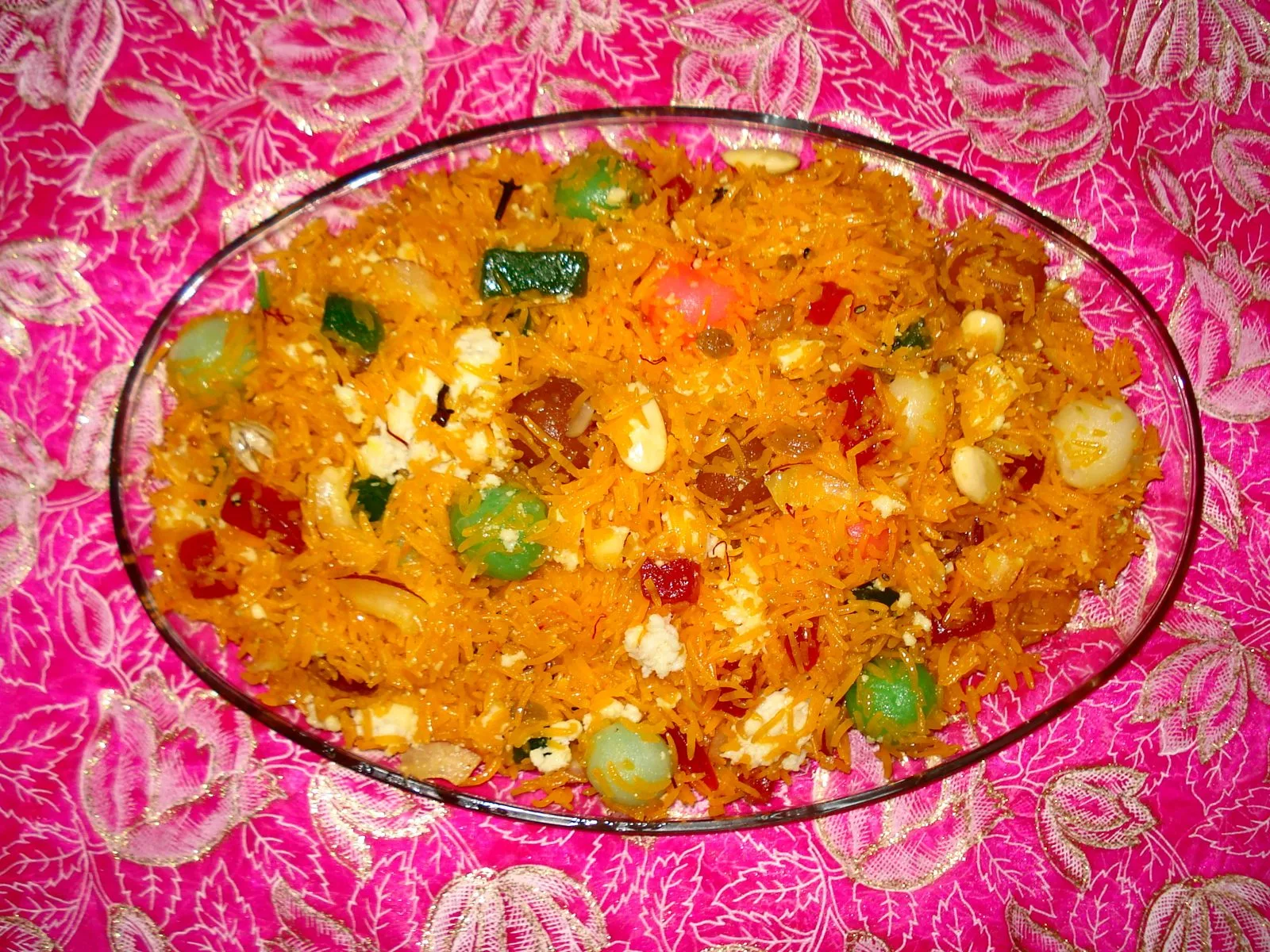
Zarda: Sweet Yellow Rice With Whole Grains, Not Mush
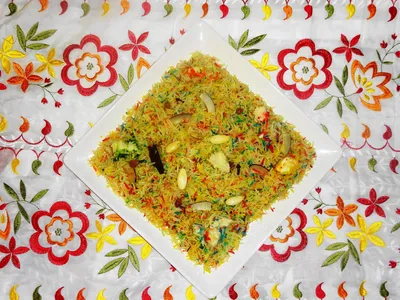
Zarda is yellow sweet rice served at weddings, Eid and shrines across Pakistan and North India. The words mean "yellow" in Persian, and the dish is meant to look like it. The trouble starts when the rice breaks, clumps or comes out with a harsh orange colour. Our zarda recipe serves six, takes about 60 minutes and is marked Medium, because it uses three techniques you also need for biryani: par-boil, layer, seal.
The ingredients
| Ingredient | Metric | US |
|---|---|---|
| Basmati rice, washed | 300 g | 1 1/2 cups |
| Sugar | 250 g | 1 1/4 cups |
| Ghee | 4 tbsp | 4 tbsp |
| Green cardamom pods | 4 | 4 |
| Cinnamon stick | 1 small | 1 small |
| Cloves | 3 | 3 |
| Almonds, pistachios and raisins | 50 g | about 1/3 cup |
| Saffron, soaked in 2 tbsp warm milk | a pinch | a pinch |
| Yellow food colour (optional) | 1/4 tsp | 1/4 tsp |
The sugar is a lot. That is how zarda is, and it is why the rice is cooked first without any sweetness: sugar in the boiling water stops the grains from softening properly.
Soak, then par-boil to three-quarters
Wash the rice until the water runs nearly clear, then soak in cold water for 30 minutes. The recipe sets a timer for this. Meanwhile steep the saffron in warm milk.
Bring a large pot of water to the boil with the cardamom, cinnamon and cloves. Add the drained rice and boil for about 7 minutes, until the grains are about three-quarters cooked. Bite one: it should be soft outside and still have a firm white core. Drain immediately and spread the rice on a tray so it stops cooking.
If you take the rice past that point, the steam stage turns it to porridge. If you stop sooner, the grains stay hard under the syrup.
The syrup, and why you keep it light
In a wide, heavy-bottomed pot, melt the ghee, add the sugar with a few tablespoons of water and cook gently for about 5 minutes, until it forms a light syrup. Light means it is wet and glossy, not thick or amber. A caramelising syrup makes the dessert taste burnt. If you want to understand the stages, sugar syrup stages for mithai explains what a thin syrup looks like on a spoon.
Stir in the saffron milk. If you want the bright, festive yellow you see at weddings, add a little food colour here, in the syrup, not on top of the rice.
Colour: saffron alone or a touch of dye
Our tips give both options. Use food colour sparingly for the classic bright yellow, or rely on saffron alone for a softer, natural shade. Saffron gives a pale gold with a fragrance, and it is expensive. A pinch goes a long way, but the result will not match the neon you see at weddings. Colour in the syrup spreads more evenly than sprinkling dye over cooked rice, where it leaves orange streaks. VERIFY: food colour safety limits vary by country; we have not cited one here, and the safest rule is to follow the product label.
Layer, seal and wait
Spread the par-cooked rice into the syrup in layers, scattering the nuts and raisins between them. Do it gently with a large spoon, lifting rather than stirring. Our tip is blunt: stir as little as possible once the rice goes in, because vigorous stirring breaks the delicate grains.
Cover the pot tightly. If the lid is loose, seal it with a strip of dough or put a clean towel under the lid. Cook on the lowest heat for about 20 minutes, until the rice is tender and the syrup is absorbed. This is the same idea as dum without dough: trapped steam finishes the grains. A thin-based pot scorches the sugar on the bottom. Use a heavy pot or place a tawa under it. See why heavy-bottom pots matter for dum.
Turn off the heat. Rest for about 5 minutes with the lid on, then fluff with a fork from the edges toward the middle.
Common problems and fixes
- Broken grains. Rice was soaked too long, over-boiled or stirred hard. Next time stop the boil earlier.
- Hard centres. The par-boil was too short, or the dum heat was too low or the lid leaked steam. Sprinkle 2 tablespoons of hot water, reseal and give it another 5 minutes.
- Sticky and wet. Too much syrup water. Let it sit uncovered over very low heat for 3 to 4 minutes.
- Burnt bottom. Heat too high or a thin pot.
- Too sweet. Cut sugar to 200 g (1 cup) next time. Some families do, especially for children.
Serving and keeping
Serve warm, with extra nuts if you like, and eat the leftovers within a day. Zarda is cooked rice, and the standard rule for rice applies: cool it within about an hour and refrigerate; reheat until steaming hot. We explain this in cooling and reheating rice and daal safely.
For another Eid sweet that does not need par-boiling, compare sheer khurma. To see how the dish fits on a table next to savoury food, the Eid dawat menu for 10 people shows one way to plan it.
You can open the zarda recipe in Degchi, switch it to metric or US cups, and use the soaking, boiling and dum timers one after another, from the home page.
Timing sheet
| Step | Time |
|---|---|
| Wash and soak rice | 30 min |
| Par-boil to three-quarters | about 7 min |
| Syrup | about 5 min |
| Dum, lowest heat | about 20 min |
| Rest | 5 min |
Related recipes
Related posts
Heavy-Bottom Pot for Dum: Why Thin Pots Scorch
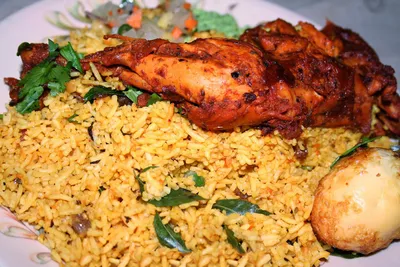
Burnt rice at the bottom and raw rice on top usually means the pot, not the cook. Here is what a heavy base changes in dum cooking, and what to do if yours is thin.
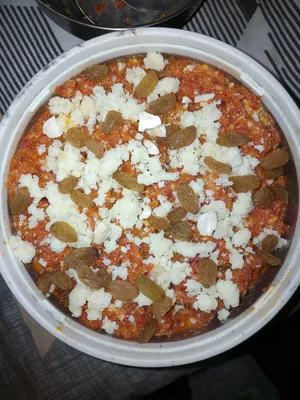
Halwa Types Compared: Suji, Gajar, Zarda and More
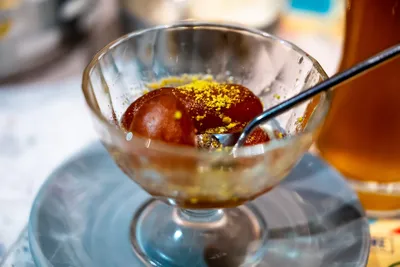
Halwa is a method more than a recipe: fry something in fat, add sugar and liquid, cook until it holds. Here are three versions with the ratios that matter.
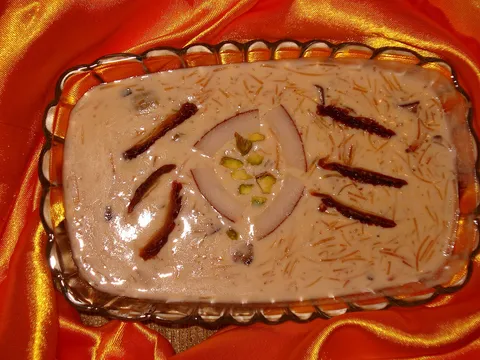
Kheer Recipe: Pakistani-Style Rice Pudding, Step by Step
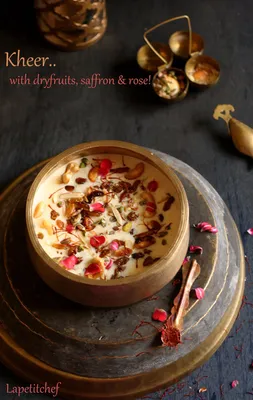
Kheer is mostly milk, patience and a heavy pot. Amounts, timings and the stirring rhythm from our recipe, plus how it differs from firni.