 Degchi
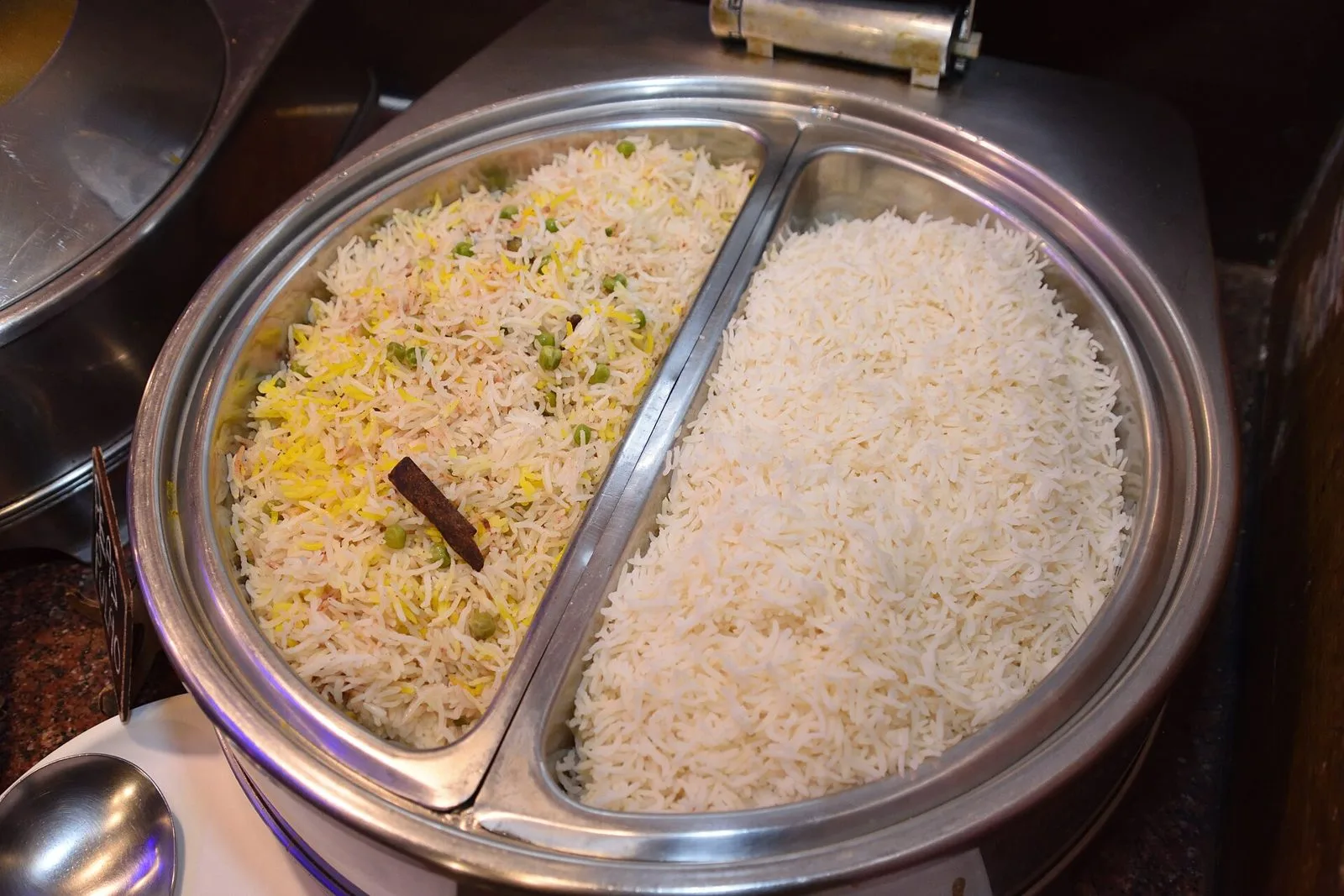
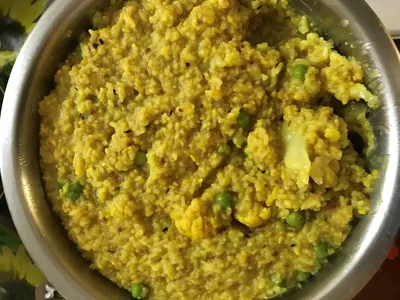
Photo: Biswarup Ganguly / CC BY 4.0
Cooling, Storing and Reheating Rice and Daal Safely
Why rice gets special attention
Rice is one of the most common foods in South Asian and Gulf homes, and it is also one of the foods food safety agencies talk about most. Cooked rice can carry spores of a bacterium called Bacillus cereus. Cooking does not destroy them. If rice is left warm for too long, the spores can grow and produce toxins that reheating will not remove.
This does not mean you must avoid leftover rice. It means you should cool it quickly and store it properly. This article is general information based on guidance from the NHS, the USDA, and similar bodies. If you are pregnant, elderly, immunocompromised, or cooking for very young children, check the advice for your own country and err on the side of caution.
Cool it fast
Do not leave a big pot of rice on the stove all evening. The usual advice is to cool rice within about an hour of cooking. To help:
- Spread the rice in a shallow tray or on a large plate rather than leaving it in a deep pot.
- Let steam escape for a few minutes.
- Move it to the fridge as soon as it has stopped steaming, and cover it once it is cool.
Dividing into small containers cools food faster than one large tub. This is also a good habit for meal prep. Our guide to meal prep containers covers portioning in more detail.
How long it lasts
For rice, the NHS recommends keeping it in the fridge for no more than one day before eating. That is a conservative rule and an easy one to follow. For other cooked leftovers, such as daal and curries, USDA guidance is to eat them within three to four days if kept at or below 4 C (40 F). Many UK sources suggest keeping the fridge at 5 C or below. If you want to be careful, aim for the shorter end of these ranges.
A fridge thermometer costs very little and tells you whether your fridge is cold enough. Many are warmer than their dial suggests.
Never leave it out
A common habit is to leave food on the counter after dinner and put it away later. Try to avoid this. The USDA says perishable food should not sit out for more than two hours, or one hour if the room is hot (above about 32 C or 90 F). That includes the pot of khichdi that stays on the stove.
Reheat properly, once
When reheating rice, daal, or curry, heat until steaming hot all the way through. A thermometer reading of 75 C (165 F) in the centre is the standard target. Stir halfway through if using a microwave, because microwaves heat unevenly and leave cold spots.
Only reheat food once. If you have a large pot of daal, take out the portion you plan to eat and heat just that, leaving the rest in the fridge. Do not reheat the entire pot repeatedly.
For rice, add a splash of water before microwaving and cover the dish so that the steam keeps the grains soft.
Freezing for longer storage
If you will not eat leftovers within a day or two, freeze them. Cool first, then pack in portions. Rice freezes better than people expect, and lentil dishes such as chana masala and khichdi hold up well. Freeze flat in bags so that they thaw quickly. Defrost in the fridge overnight, or use the microwave defrost setting and cook right away. Do not thaw on the counter.
Label every bag with the name and the date, so that you can use the oldest first.
Signs you should throw it away
Smell and appearance are not reliable. Bacillus cereus toxins, for example, do not necessarily make rice smell or look bad. Use the clock instead. If rice has been in the fridge for more than a day, if daal has been there for more than about four days, or if you are unsure how long something sat out, throw it away. The cost of a portion of rice is small compared with a bad night.
Making it easy to remember
Most food safety mistakes are memory mistakes. You forget when you cooked the rice. You are not sure whether the curry is two days old or four. A simple strip of tape and a marker on each container solves it.
If you prefer an app, Degchi, currently in beta, lets you note what you have at home so that nothing is forgotten at the back of the fridge. You can join the beta through our website. It does not replace common sense, but it helps with the remembering.
The short version
Cool rice within an hour. Refrigerate promptly. Eat rice within a day and other leftovers within three to four days. Reheat until steaming hot, once only. Freeze what you will not eat soon. When in doubt, throw it out.
Related recipes


Related posts
How to Thaw Frozen Meat for Curry Safely
Frozen meat, a hungry family and 5 pm. Here are the safe ways to thaw chicken, mutton and mince for curry, with timings, and what not to do on the counter.
What Can I Cook With Rice? 9 Meals Beyond Plain Boiled
A bag of rice can be fried rice, pulao, khichdi, lemon rice or a cold curd rice. Nine dishes from real recipes, plus the cooked-rice safety rules most people never hear.
How to Use Up Leftovers So Nobody Groans at Dinner
Leftovers are only boring when they come back unchanged. Here is how to transform them, store them safely, and stop throwing money into the bin.
Batch Cooking and Freezer Meals for Desi and Gulf Kitchens
One long cooking session can feed a family for two weeks. Here is what freezes well, what does not, and how to cool, portion and reheat it safely.