 Degchi
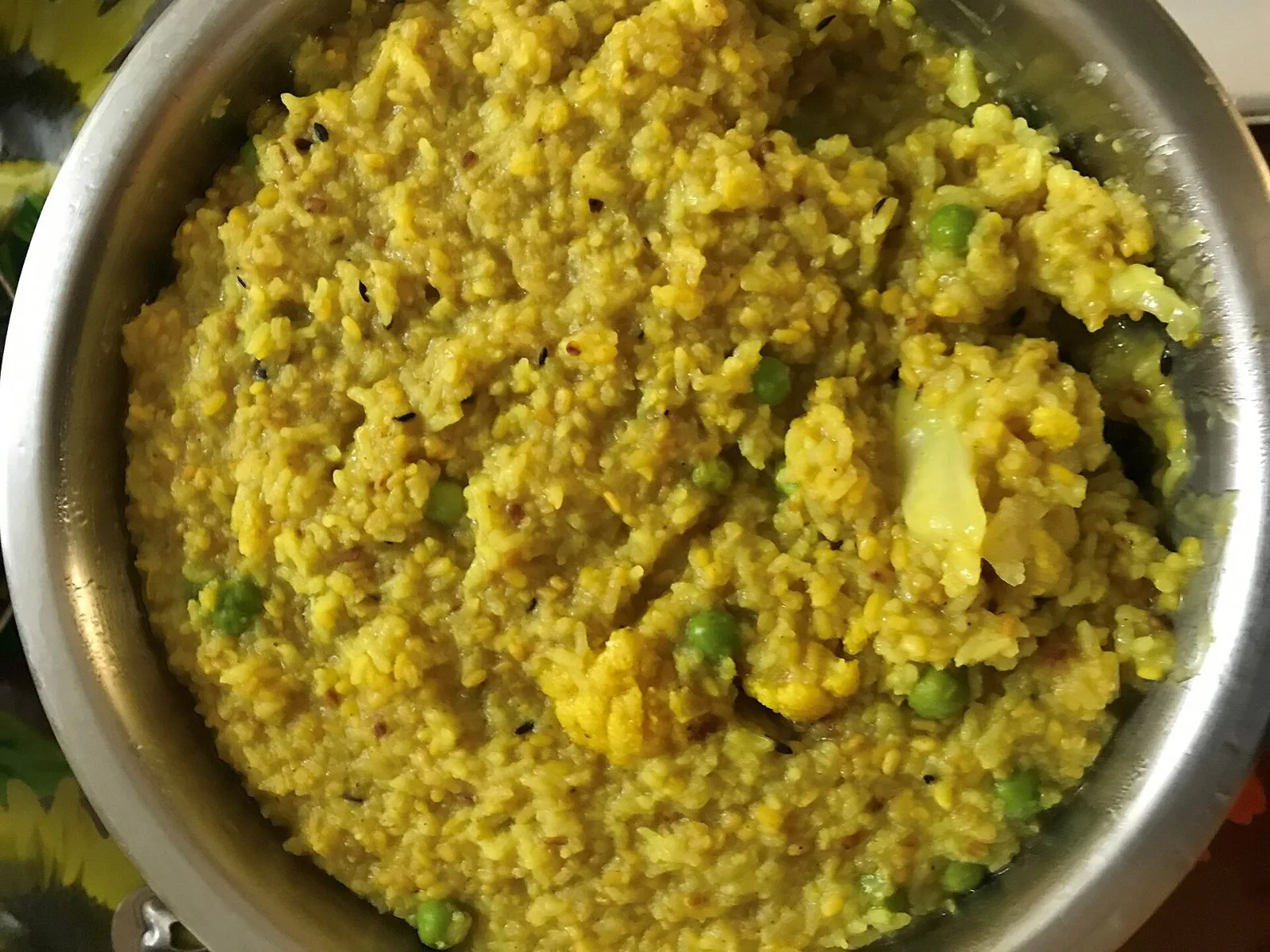
Photo: Rajeeb Dutta / CC BY-SA 4.0
How to Use Up Leftovers So Nobody Groans at Dinner
Why leftovers get thrown away
People rarely bin leftovers because they are bad. They bin them because they are forgotten at the back of the fridge, or because nobody fancies the same plate twice. Both problems have fixes: make them visible and make them different.
Make them visible
Keep a "eat first" shelf or box in the fridge, in clear containers if you can. When you put something away, label it with the dish and the day. A strip of masking tape and a marker is enough. In many homes, half the waste is just not knowing what is in there.
The safe basics
These come from general US and UK food-safety guidance. If you cook for people who are pregnant, elderly or immunocompromised, check your national agency's advice.
- Refrigerate cooked food within two hours, or within one hour on a hot day.
- Cool large pots in smaller, shallow containers so they chill faster.
- Eat refrigerated leftovers within three to four days.
- Reheat until steaming hot all the way through, to about 74 C (165 F).
- Rice needs extra care: cool it within about an hour and use it within a day.
- When in doubt, throw it out. A saved portion is not worth a bad night.
Transform, do not repeat
The simplest rule: change the shape, the heat or the flavor.
Leftover rice
Cold rice makes good egg fried rice because the grains are drier. It also works in a pulao or crisped into patties with onion and egg. If it has been in the fridge less than a day, you are fine. If you are not sure how long it sat out, skip it.
Leftover lentils and daal
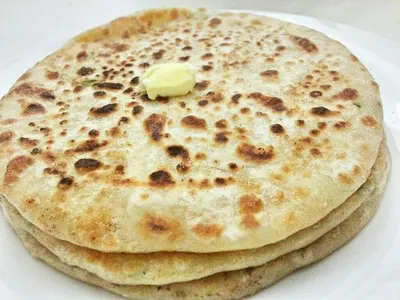
Thin leftover daal with stock and it becomes soup. Mix thick daal into flatbread dough for stuffed parathas. Combine it with fresh rice and a little ghee for a quick khichdi-style dinner. A fresh tarka over reheated daal also revives it. Our dal tadka shows the technique.
Leftover curry
Dry-ish curries such as aloo gobi or keema go well inside a paratha, a wrap or toasted bread. Wetter curries can be reheated and served with a different carbohydrate, like rice if you had bread, or pasta for a fusion dinner. A spoonful of leftover chicken curry stirred into macaroni is the idea behind chicken macaroni, a dish that exists partly because of leftovers.
Leftover roti and bread
Tear stale roti into pieces and fry with eggs and onion for a quick breakfast hash. Dry bread can become breadcrumbs or a baked pudding. Freeze bread you will not finish.
Leftover vegetables
Odd vegetables go into a pulao, a frittata, a soup or a one-pan stir-fry. Roast them with spices and put them in a wrap.
Leftover potatoes
Mash them with spices for stuffed aloo paratha filling or make patties. Reheated boiled potato is fine in a curry.
Leftover eggs
Hard-boiled eggs can go into a curry, a salad or a sandwich. Pair them with the anda paratha idea for a hearty breakfast.
A weekly use-up night
Pick one night, often Sunday or the night before your big shop. On that night, nobody cooks a new dish. You put out what is in the fridge and let people assemble plates. Add a fresh element like salad, rice or warm bread and call it dinner. Over a month, this one habit saves more food than any clever recipe.
Plan for leftovers on purpose
Cook a little extra on purpose, not by accident. If you know you will make a pulao on Wednesday, cook extra rice on Monday. If you roast a chicken, plan the next night's wraps. This is called planned-overs, and it makes the leftovers feel like part of the menu.
What not to bother with
Some things are not worth rescuing. Anything left on the counter overnight, seafood past its day or two, and food that smells or looks off should go. Do not taste it to check. Good leftover habits are about being careful and sensible, not about being thrifty at any cost.
Where an app can help
Degchi is an Android app supported by ads, with no subscription. It keeps a pantry list of what you have, low and out, and suggests dishes from it, which can include leftover ingredients you add manually. It does not track expiry dates, so the habit of labeling containers is still on you. Used together, the pantry list and a use-up night keep waste low.
Start with one
Next time you finish a meal, look at what is left and decide what it will become before you put it away. Write that on the lid. If you cannot think of anything, freeze it in a portion. That small decision stops most leftovers from becoming waste.
Related recipes
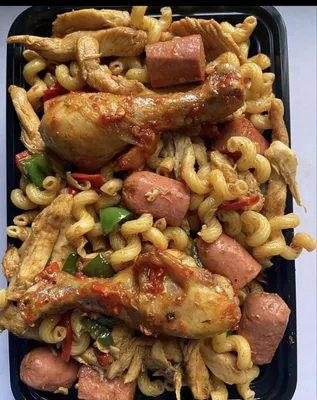
Related posts
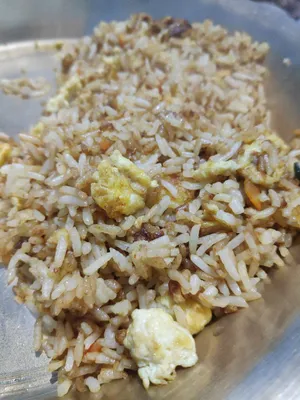
What to Make With Leftover Rice (and How to Keep It Safe)
Cold rice is a head start, not a problem. Here is what to cook with it, which of our rice recipes need it, and the one safety rule to follow first.
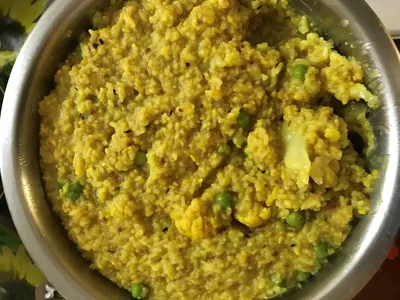
Cooking for One: A Five-Day Desi Plan With Leftovers
Most desi recipes are written for four people. Here is how one person can cook two pots on Sunday and eat five different dinners, without eating the same plate five times.
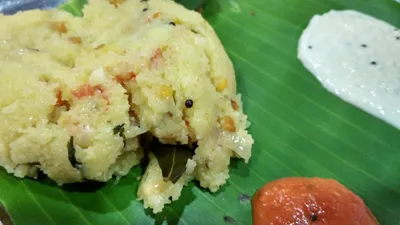
Curd Rice vs Lemon Rice: Two Opposite Rice Rules
One dish wants rice mushy and warm, the other wants it cool and loose. Get that wrong and curd rice turns sour or lemon rice turns to paste.
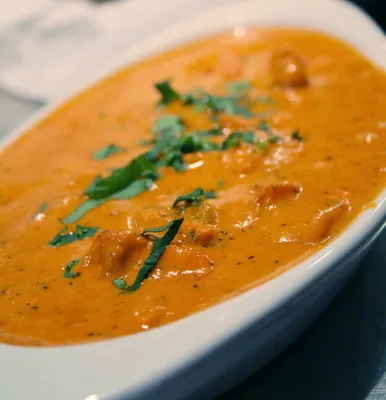
"Chicken Tikka Masala From Leftover Tikka in 25 Minutes"
"Leftover tikka makes a better masala than raw chicken does, because the char is already built in. The sauce takes about 25 minutes."