 Degchi
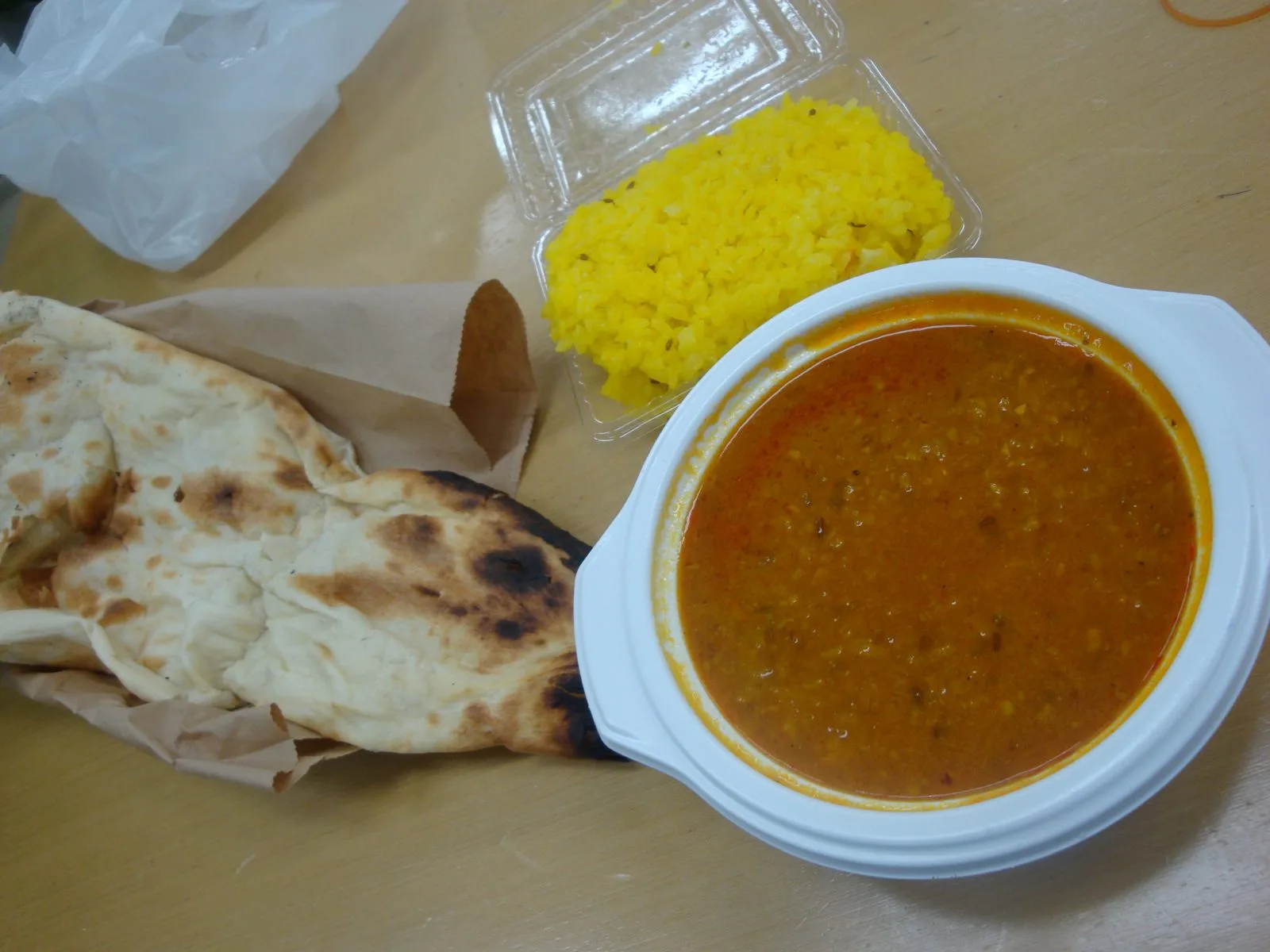
Photo: David Pursehouse / CC BY 4.0
The Right Containers for Desi Meal Prep: What to Buy and What to Skip
Why desi food is hard on containers
Most meal prep advice is written for grilled chicken and steamed broccoli. Desi food is different. Turmeric and tomato gravy stain plastic orange. Oily curries make lids slippery. Rice goes hard and dry in the fridge. Daal is thin enough to escape through any imperfect seal. Strong spices linger in a container long after the food is gone.
None of this means you need expensive gear. It means choosing a few things on purpose, instead of buying a random twenty-piece set and finding out later which ones fail.
Glass, steel or plastic
Glass. It does not stain and does not hold smells, and you can reheat in it. The downsides are weight and the risk of breakage in a school bag. Glass is a good choice for the fridge and for reheating at home. Check the maker's instructions before moving glass straight from freezer to a hot oven, because sudden temperature change can crack it.
Stainless steel. Light, tough and stain-proof. It is a favourite for lunch boxes and tiffins. You cannot put it in a microwave, so it suits people who can reheat on a stove or who eat food cold or warm from an insulated box.
Plastic. Cheap and light. Turmeric will stain it over time, and oily food can leave a film. Look for plastic labelled as microwave safe and free from BPA, and expect to replace it sooner than glass. Many people keep a few plastic tubs just for the stained-anyway dishes like curry, and use glass for everything else.
A sensible mix for a family is mostly glass for home, a couple of steel boxes for lunches, and a few cheap plastic tubs for the freezer and for sending food to relatives.
Sizes that match the food
Buy for the food you really cook, not for a photograph.
- Large (1.5 to 2 litres / 6 to 8 cups): for a family pot of daal, a batch of gravy base, or a tray of cooked rice for cooling.
- Medium (700 ml to 1 litre / 3 to 4 cups): single dinner portions of curry with rice.
- Small (250 to 350 ml / 1 to 1.5 cups): sauces, chutney, raita, a tarka (tempering) you will add at the last minute.
- Divided boxes: useful for school lunches and office meals, so the roti does not get soaked by the curry.
If you can only buy one set, make it a stack of medium containers with matching lids. Matching lids matter more than people think. A drawer of mismatched tubs is the quiet reason people give up on prep.
Lids and leaks
Silicone seals around the lid are good for daal and soups. Press the lid down all around and give the box a gentle tilt over the sink before it goes in a bag. If it drips, it will drip on the bus too.
For microwave reheating, leave the lid slightly open or use a vented lid so steam can escape. A sealed box heated in the microwave is a spill waiting to happen.
Packing tips for desi food
Rice. Cool it quickly in a shallow layer before boxing, and refrigerate it within about an hour. Cooked rice should not sit at room temperature for long. When reheating, add a spoonful of water, cover, and heat until it is steaming hot all the way through.
Roti and paratha. Keep them separate from wet food. Wrap them in a clean cloth or foil, or use the divided section. They reheat well in a dry pan.
Daal and curry. Leave a little space at the top, since liquid expands when frozen. Cool the pot before putting it in the fridge, but do not leave it out for hours.
Tarka and fresh toppings. Pack coriander, lemon, chopped onion and fried garlic in a tiny separate tub. Adding them at serving time makes reheated food taste freshly cooked.
Dealing with stains and smells
- Wash plastic soon after use, as dried-on turmeric is harder to shift.
- A paste of baking soda and water, left for a while, helps lift smells.
- Some people leave a stained plastic tub in sunlight for a few hours, which tends to fade turmeric colour.
- Wipe the inside of the box with a little cooking oil before adding very tomato-heavy food. It is not a guarantee, but it can reduce staining.
Do not expect perfect results. A slightly orange tub is a sign of a family that cooks.
Labels beat memory
Stick masking tape on the lid and write the dish and the date with a marker. This takes ten seconds and saves the Thursday argument about whether the chickpeas are from Sunday or the Sunday before. General guidance in the US and UK is to eat refrigerated leftovers within three to four days, and to reheat food until it is steaming hot. If you are unsure, do not eat it.
A simple starter set
For a family of four doing light prep, a reasonable starting point is:
- 4 medium glass containers for dinners
- 2 large containers for daal and rice batches
- 6 small tubs for sauces and toppings
- 2 steel lunch boxes with dividers
- A roll of masking tape and a marker
That is enough to try the routine without clearing a cupboard.
Plan what goes in the boxes
Containers do not decide your week, the menu does. Choose three or four dishes that store well, such as daal, chana masala and aloo keema, and let the family choose between them. In Degchi you can check what is in the pantry and see which dishes you can already make, which helps you decide what to batch before you buy any more boxes. A paper list works just as well.
Start small
Pick one pot of lentils and one tray of rice this week. Box them, label them and see how the food tastes on day three. If you find yourself wishing for a bigger box or a better lid, you now know what to buy.
Related recipes

Related posts
Batch Cooking and Freezer Meals for Desi and Gulf Kitchens
One long cooking session can feed a family for two weeks. Here is what freezes well, what does not, and how to cool, portion and reheat it safely.
Sunday Meal Prep for Busy Families: A Two-Hour Routine That Works
Meal prep does not mean eating the same box of chicken five days running. Here is a two-hour routine that preps components, not whole meals, and leaves room for change.
Cooking for One: A Five-Day Desi Plan With Leftovers
Most desi recipes are written for four people. Here is how one person can cook two pots on Sunday and eat five different dinners, without eating the same plate five times.

"Kebab Rolls at Home: Paratha Wraps That Don't Go Soggy"
"A kebab roll falls apart for three reasons: wet filling, thin bread, and no wrap. Fix all three and a Tuesday leftover becomes street food."