 Degchi
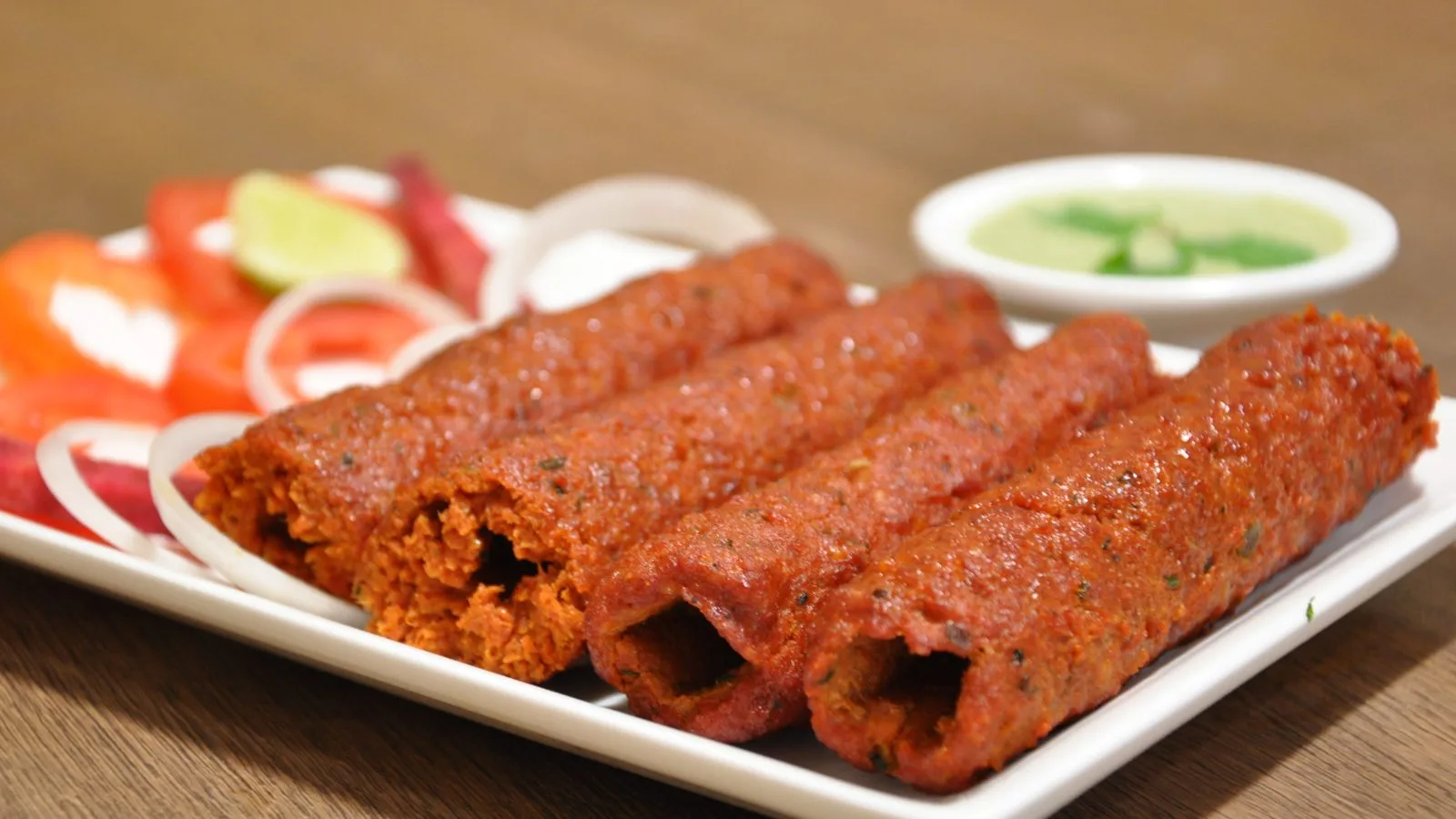
Photo: Dheerajk88 / CC BY-SA 4.0
"Kebab Rolls at Home: Paratha Wraps That Don't Go Soggy"
The roll arrives hot, wrapped in paper, and the bottom is already wet. Ten minutes later it is a torn paratha around a puddle of chutney. Kebab rolls at home go wrong in predictable ways, and every one of them is fixable before you start rolling.
This guide uses kebabs from our library as the filling: seekh kabab, chicken tikka or shami kabab, plus a lacha paratha or any soft, flaky paratha. It also works with leftover kebabs, which makes it the best second life for a kebab night.
The three rules
- Dry filling. Wet things slide out and soften the bread.
- A sealed paratha. A thin egg layer or a hot, fresh bread gives a barrier.
- A tight wrap. Foil or baking paper holds the roll shape for 5 minutes while the layers settle.
Everything below serves one of these.
Choose the filling
| Filling | Texture | Notes |
|---|---|---|
| Seekh kabab, sliced lengthwise | firm, juicy | Our recipe grills 10 to 12 minutes; reheat before rolling |
| Chicken tikka, chunks | chewy, charred | Cut into strips, not cubes, so it lies flat |
| Shami kabab, crumbled or whole patty | soft, crumbly | Slice patty thick, pan-crisp the surfaces; do not crumble too fine |
| Paneer tikka | soft | Handle gently, add extra onion for crunch |
If kebabs are cold, slice them first and warm the slices in a dry pan for 2 to 3 minutes. Cold kebab in a hot bread gives you a lukewarm centre. If your kebabs are from the freezer, see how to freeze and reheat kebabs without drying them out.
The bread
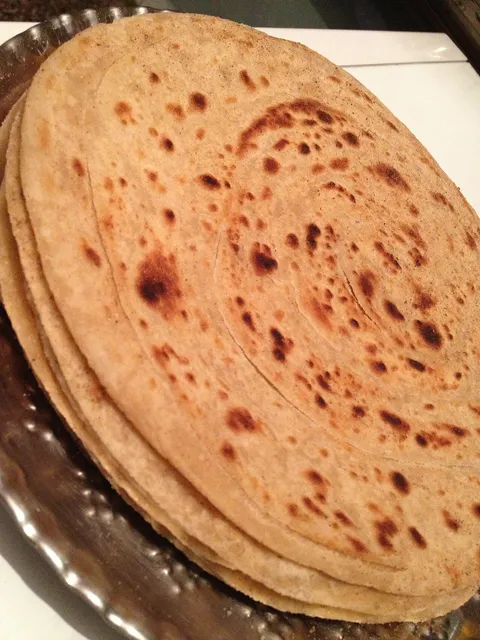
A thick, soft paratha is best. Lacha (layered) paratha rolls nicely because the layers flex. A flat pan-fried roti is thinner and tears; if that is all you have, double it up.
Cook the paratha fresh if you can and keep it warm under a clean cloth. Cold paratha cracks when rolled.
The egg seal (optional but effective)
Street stalls often cook an egg on the tawa and press the paratha onto it. At home:
- Beat one egg with a pinch of salt and chilli per roll.
- Pour it onto a hot, lightly oiled tawa in a circle slightly larger than the paratha.
- Press the paratha onto it right away.
- Cook 30 to 45 seconds, then flip so the egg side is up.
The set egg acts as a thin waterproof layer between filling and bread. The egg should be fully set before you roll, not runny. Skip the egg if you cook for people who avoid it; use a thin smear of thick yogurt-based chutney instead, and put the filling in the centre, not touching the edges.
<!-- VERIFY: "egg layer acts as a moisture barrier" is common street practice described from general knowledge; not sourced. Timings (30-45 seconds) are rule of thumb. -->
Chutney without the puddle
Wet chutney is the usual culprit. Do this:
- Use thick mint-coriander chutney. If yours is runny, stir in a spoon of thick yogurt or a little mashed boiled potato.
- Smear a stripe down the middle, about 2 cm wide, never across the full paratha.
- Put raw onion rings on top of the meat, not under it. They add crunch and shield the bread from the chutney.
- Squeeze lemon on the filling before you assemble, not on the roll after.
Assembly, step by step
Have everything ready before the bread comes off the pan:
- Lay a sheet of foil, shiny side in, with a square of baking paper on top.
- Place the hot paratha (egg side up if you used egg).
- Chutney stripe, then 4 to 5 slices of kebab or tikka strips in a line.
- Onions, a few slices of tomato (deseeded), and a pinch of chaat masala.
- Fold the bottom edge up over the filling, fold the sides in, then roll away from you, tight like a cigar.
- Wrap the baking paper first, then the foil, twisting the ends.
- Rest 3 to 5 minutes so the layers hold.
Eat it within 15 minutes. Past that, even a good roll starts to steam from the inside.
Fixes for what goes wrong
- Roll tears when folding: the bread was cold or too thin. Warm it again, or use two layers.
- Soggy bottom: the filling was wet. Pat kebabs with paper towel, drain the onions, thicken the chutney.
- Filling slides out the end: you overfilled. Four to five slices are plenty. Fold the bottom edge first.
- Dry and bland: the kebabs were overcooked or reheated too hard. Add extra chutney on the inside strip and extra lemon.
- Chicken tikka is pink: that is a food safety issue, not a texture one. Chicken must reach 74 C / 165 F; mince kebabs 71 C / 160 F. Reheat leftovers until steaming hot.
Make-ahead for a party
You can prep all components a few hours ahead:
- Slice and chill kebabs on a tray.
- Keep onions in iced water for 10 minutes, then dry them well; they stay crisp.
- Make chutney and keep it covered in the fridge.
- Cook parathas in advance and re-crisp on the tawa for 30 seconds each side just before rolling.
Assemble to order. Rolls assembled early and wrapped tight will sweat.
A tray plan for six people
Grill or reheat 12 seekh kababs. Warm six parathas. Set out three bowls: chutney, onion rings with lemon, sliced tomato. Let everyone build their own with foil on the table. It takes about 10 minutes of hands-on time and makes less washing up than a plated dinner. Leftover kebabs from a larger batch? Check the reheating guide for kebabs, samosas and parathas first, then turn them into rolls. If you want to see which kebab recipe your pantry supports tonight, try degchi.matrixinn.net/#try.
Related recipes
Related posts
Eid Dawat Menu for 10 People: Quantities and a Cooking Plan
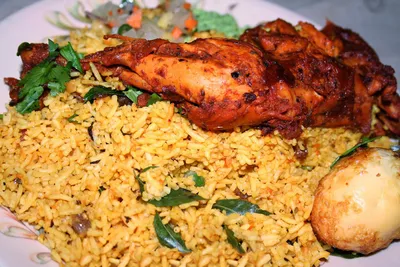
A realistic Eid dawat menu for 10 guests, with every quantity scaled from our recipe pages and a two-day timeline that keeps the host out of the kitchen when the doorbell rings.
Desi Weeknight Dinners in the Air Fryer: What to Cook and What to Skip
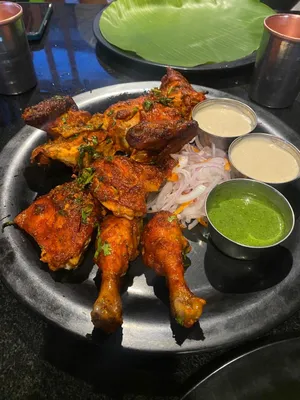
An air fryer will not replace your karahi, but it handles tikka, kebabs, and roasted vegetables quickly. Here is how to use it for desi food.
The Right Containers for Desi Meal Prep: What to Buy and What to Skip
Turmeric stains plastic, rice dries in the fridge, and daal finds every gap in a lid. Here is how to choose containers that suit desi cooking, and how to pack them.
Desi Picnic Food That Travels: What to Pack and Keep Safe
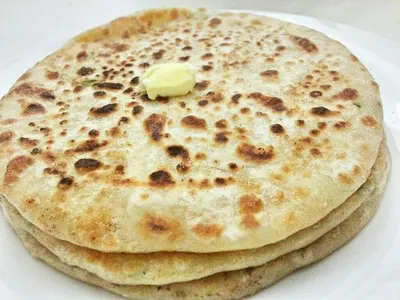
A desi picnic works when each dish is chosen for how it behaves in a cooler bag. Parathas, tikka, kababs and dry chaat, with amounts and food-safety limits.