 Degchi
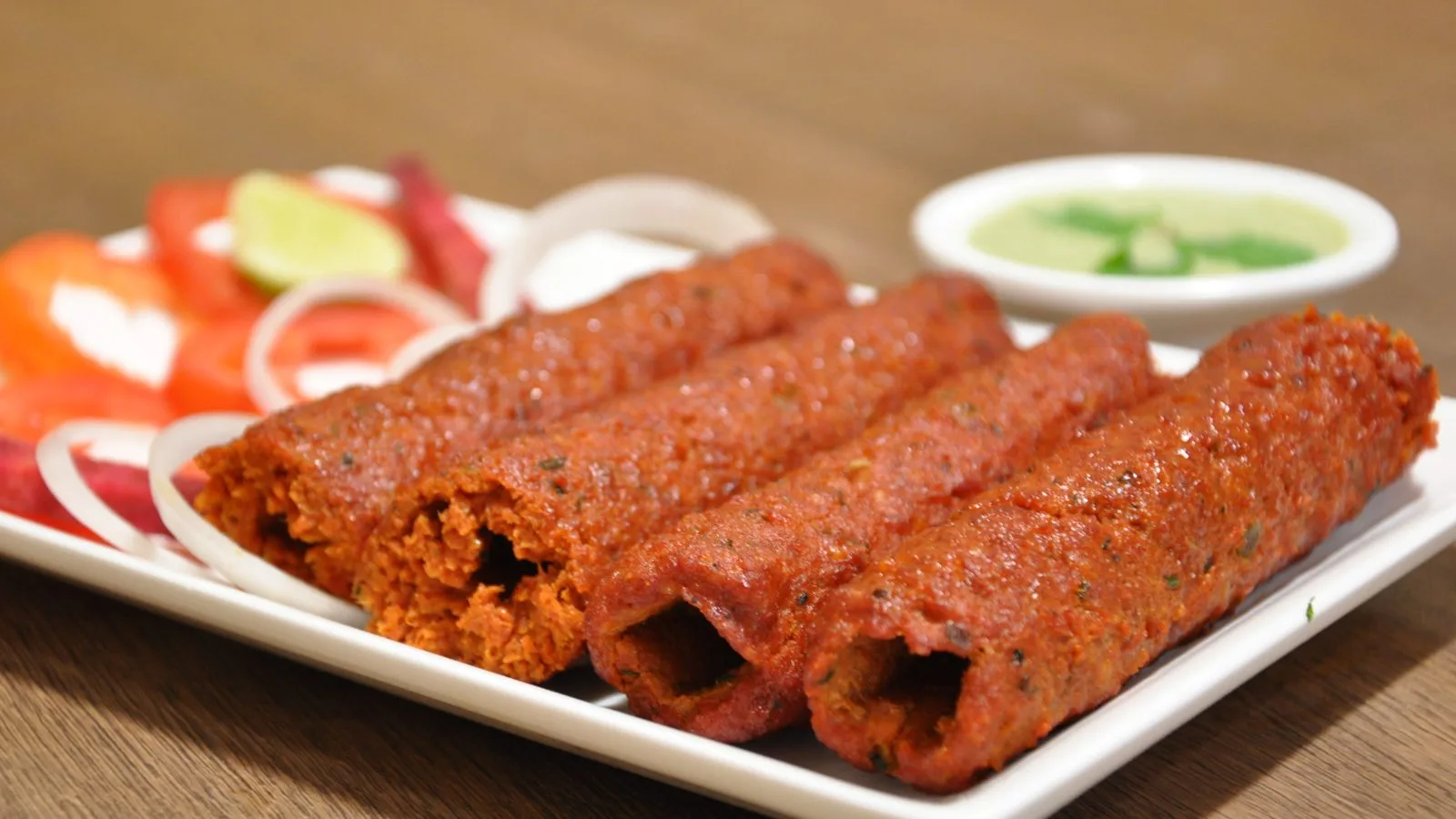
Photo: Dheerajk88 / CC BY-SA 4.0
Freezing and Reheating Kebabs Without Drying Them
Ramadan is two weeks away, or guests are coming Friday, and you would like kababs ready without standing over a pan. They freeze well, but only if you pick the right stage for each type and reheat them properly. Do it wrong and you get grey, dry pucks.
This guide covers four kababs from our library: seekh kabab, shami kabab, chapli kabab and bun kabab.
Raw or cooked: pick by kabab type
| Kabab | Best to freeze | Why |
|---|---|---|
| Seekh | Shaped, raw | Keeps the juicy interior, crisps fresh |
| Chapli | Shaped, raw, with tomato slice | Thin patties freeze flat and fry from cold |
| Shami | Shaped, cooked mixture, uncoated | The mixture is already cooked and holds together |
| Bun kabab | Shaped patties, before egg dip | Egg coating goes on fresh |
The seekh recipe notes that shaped kababs freeze well for up to a month. That is a sensible limit for the other three too, though quality, not safety, is the reason for the date.
Raw seekh: shape, chill, freeze, then bag
Knead and chill the mix as the recipe says, then shape the sausages onto skewers. Slide them off onto a tray lined with baking paper, leaving a little space between them. Freeze the tray uncovered for 1 to 2 hours until firm, then move them into a freezer bag or container with a sheet of paper between layers.
This two-step method keeps them from fusing into a block. Press out the air and label the bag with the date.
Raw chapli: flat and separated
Shape the 8 patties, press the tomato slice on, and stack them on a tray with baking paper between each. Freeze flat until firm, about 2 hours, then bag. Cook from frozen on medium-low with a lid for the first few minutes, or thaw overnight in the fridge for the best crust.
Shami and bun kabab: freeze before coating
For shami, form the patties after grinding the cooked mutton and chickpea mixture, then freeze them on a tray as above. Do not egg-coat them first; the coating gets soggy in the freezer. Dip in egg and fry straight from frozen if the patties are thin, or thaw first if they are thick.
For bun kabab, the 4 patties are 1.5 cm thick, so they can be frozen on baking paper, then dipped and fried after thawing in the fridge. Make the chutney and omelette fresh.
Thawing safely
- Thaw in the fridge overnight, on a plate or tray that catches drips, with the kababs covered.
- Do not leave raw mince at room temperature to thaw on the counter.
- Do not refreeze raw kababs once thawed, unless you cook them first.
Reheating cooked kababs
Cooked kababs reheat best in a dry non-stick pan or a hot oven, not the microwave.
- Pan: Medium heat, lid on for 2 minutes, then lid off for 1 to 2 minutes per side to bring the crust back.
- Oven: 200 C (400 F), on a rack over a tray, 8 to 10 minutes, turning once.
- Air fryer: 180 C (350 F) for 4 to 6 minutes. Our air fryer kebab post explains what works there.
Reheat until steaming hot all the way through, at least 74 C (165 F) for leftovers. Brush seekh with a little melted ghee at the end to restore the shine.
Packing for the freezer
Use bags or containers sized to the amount you will cook in one go: 4 to 6 kababs per bag suits a family dinner. Label each with the kabab type and the date. Squeeze the air out to limit freezer burn, the dry grey patches that form on exposed surfaces. A rigid container protects thin chapli patties from being crushed under other food.
Cooking from raw: the temperatures
- Beef or mutton mince kababs: at least 71 C (160 F) inside.
- Chicken mince kababs: 74 C (165 F).
- Frozen patties take longer, so check the centre rather than going by the clock.
For seekh, our recipe cooks to 74 C (165 F) inside, which is the safer figure and gives a clean margin.
How long cooked kababs keep
Cooked kababs keep about 3 days in the fridge, in a covered container, cooled within about 1 hour of cooking. For longer storage, freeze them within a day. Freezer quality fades after about a month, though they stay safe if kept frozen. <!-- VERIFY: cooked meat keeps 3 days refrigerated (taken from bihari-boti recipe tip); raw kababs freeze up to 1 month (seekh recipe tip); do not refreeze raw once thawed -->
Signs a frozen kabab has had its day
Heavy ice crystals inside the bag, grey-brown dry patches, or an off smell after thawing all mean the quality has dropped. Dry patches are a texture problem; an off smell means throw it out. Write the date on the bag so you never have to guess.
A Sunday prep plan
- 10:00 shape and tray-freeze seekh and chapli
- 11:00 make shami mixture, shape, freeze on a tray
- 13:00 bag everything, label by date
- Weeknight: pull one bag to the fridge in the morning, fry or grill after work
If you want help tracking what is in the freezer, the Degchi pantry tool can hold your list.
Related recipes

Related posts
A Lentil-and-Rice Week: Seven Dinners on a Tight Budget
Lentils and rice can feed a family well and stay interesting for a week, if you change the dish, the spice and the texture. Here is a plan that does.
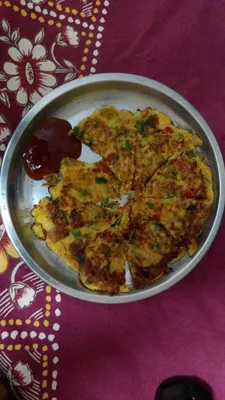
Ramadan Suhoor Timetable: Plan Around Fajr, Not the Clock
Sehri time slides through the month, so a fixed clock plan fails. Count back from Fajr instead, with a simple suhoor timetable, recipes that fit each time slot and a night-before routine.
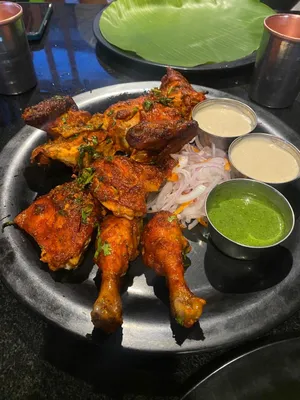
High-Protein Desi Dinners That Still Taste Like Home
South Asian home cooking is already rich in protein. Here is how to build dinners around lentils, chickpeas, eggs, chicken and paneer and nudge the protein up without losing the flavor.
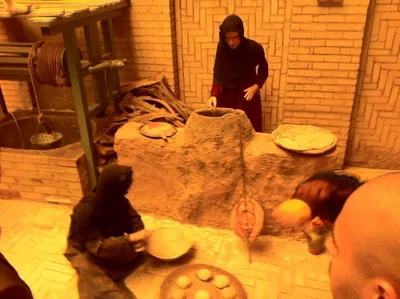
Khubz Tannour at Home Without a Tannour Oven
Khubz tannour is baked on the wall of a clay oven, but a hot home oven gets you close. Here is the dough, the timing and the heat, from our recipe, with honest limits.