 Degchi
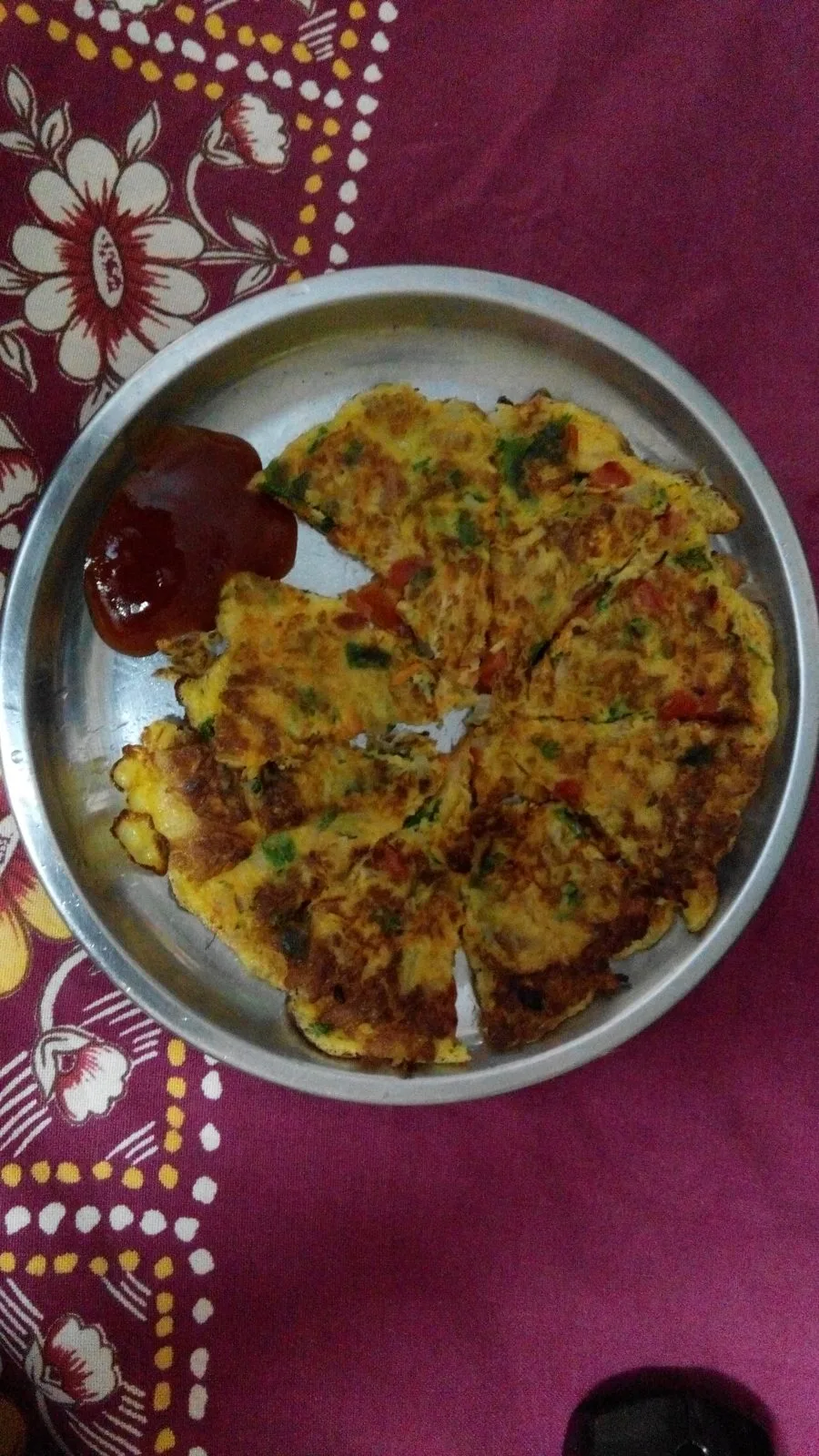
Photo: Vinodbarc / CC BY-SA 4.0
Ramadan Suhoor Timetable: Plan Around Fajr, Not the Clock
Your 4:30 alarm stops working in week two
In week one the plan feels fine: wake at 4:30, cook, eat, pray. By week two the alarm is wrong. In most places Fajr (and so the end of suhoor) shifts by a minute or two each day during Ramadan, and how much depends on your latitude and the time of year. By the last week your schedule can be half an hour off, and a plan built on a clock time has fallen apart.
A better suhoor timetable counts backwards from the Fajr time on your local prayer calendar. Below is a way to do that, with dishes from our recipe library matched to how much time you have. It is a planning tool, not religious or medical advice; follow your own community's timetable and your doctor's guidance on fasting.
The back-count: Fajr minus something
Pick the number of minutes you want between waking and the end of suhoor. Then count from there.
| Time before Fajr | What happens |
|---|---|
| 90 minutes | Alarm goes, water, quick wash |
| 80 minutes | Heat the pan or start the pot |
| 60 minutes | Food on the table |
| 30 minutes | Finish eating, clear up |
| 15 minutes | Dishes in the sink, bottle of water filled |
If your family eats in half an hour, shift the whole table down. The structure matters more than the exact numbers. The advantage of counting from Fajr is that you only update one number each week, and everything else follows.
Matching the dish to the time you have
Under 15 minutes of cooking. The desi omelette is 5 minutes prep and 5 minutes cooking for 2 people: 4 eggs, a finely chopped onion, tomato, green chilli and 2 tablespoons coriander, with about 3 minutes on one side and 1 minute on the other. Serve it with roti or toast. Anda paratha is about 15 minutes, a half-cooked flatbread folded around a beaten egg and onion mixture, made from 150 g (1.25 cups) flour and 3 eggs for 2.
About 20 to 30 minutes. Shakshuka is 10 minutes prep and 20 minutes cooking: 4 eggs poached in a sauce of 4 tomatoes, a pepper, an onion and 3 garlic cloves. Cook the eggs until the whites set; if anyone at the table is pregnant, elderly, very young or has a weakened immune system, cook the yolks firm. Meethi sewaiyan is sweet vermicelli with 150 g (5 oz) vermicelli, 750 ml (3 cups) milk and 80 g (0.4 cup) sugar, about 20 minutes. It thickens as it sits, so take it off the heat while it still looks slightly thin.
Made the night before, warmed in the morning. Daal chawal uses 200 g (1 cup) red lentils and 300 g (1.5 cups) rice for 4 people. Daal thickens as it cools, so loosen it with a splash of hot water when reheating, and heat it until steaming. Khichdi needs 150 g (0.75 cup) each of rice and moong lentils and about 30 minutes; it also thickens, and a little hot water brings it back.
Why the night-before step matters
The weakest point in any suhoor timetable is the first 15 minutes after the alarm, when everyone is groggy. Anything you can do before bed changes that. We cover a full routine in our night-before suhoor guide, but the short list is:
- Chop onion, tomato and chilli and store them in a covered container in the fridge.
- Make the daal or khichdi base and refrigerate it in a shallow dish.
- Soak lentils if you will cook them in the morning.
- Leave a clean pan and a lighter or matches out where you can find them in the dark.
- Put the day's dates and water where you will see them.
Cooked rice and daal should go into the fridge within about an hour or two of cooking and be eaten within a day, reheated until steaming hot.
A rotation that does not repeat
Seven days is enough. Try this pattern and rework it when someone complains.
- Monday: omelette, roti, yogurt
- Tuesday: daal chawal from the night before
- Wednesday: anda paratha
- Thursday: khichdi with yogurt and pickle
- Friday: shakshuka and bread (it is a weekend, a little more time)
- Saturday: meethi sewaiyan and eggs, for a sweet day
- Sunday: leftovers and a quick omelette
Repeat for four weeks and adjust only when the Fajr time shifts so far that your cooking slot is gone. If you find yourself dropping below 50 minutes before Fajr, switch more of the nights to the make-ahead dishes.
What to check each Sunday
Look at the next seven Fajr times. Write down the earliest. Count back 90 minutes. That is your alarm for the week. If that number is a lot earlier than last week, shift one cooked meal to the night before. It is a five-minute habit and it saves more suhoor stress than any recipe.
Shopping list for a first week
Eggs (about 12), flour or atta 500 g (1.1 lb), red lentils 200 g, rice 450 g (1 lb), moong lentils 150 g, milk 1 L (4 cups), vermicelli 150 g, onions, tomatoes, green chillies, coriander, garlic, yogurt and tea. Degchi can keep these marked Have, Low or Out, and its shopping list shows what is missing; a small try-it pantry sits on the home page. For the iftar side of the same days, see our three-day iftar and suhoor timetable.
Related recipes




Related posts

School Lunchbox Ideas With South Asian and Gulf Flavours
Plenty of home-cooked dishes travel well in a lunchbox. Here are five from our library, how long they take, and how to pack them so they are still good at noon.
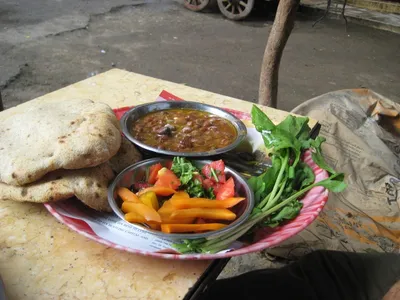
Suhoor Ideas That Keep You Full Until Iftar
Suhoor is eaten half asleep, so it has to be quick. Six filling ideas from our recipe library, with real prep times and what you can prepare the night before.

When Kids Refuse Dinner: Desi Dishes That Often Get Eaten
A child who refuses dinner is exhausting. Seven desi dishes from our recipes that tend to work with fussy eaters, and small changes in spice, texture and plating.

Suhoor Timetable Ideas: 10, 20 and 35 Minute Menus
The question at 3:40am is not what is healthy, it is what can I make before the time runs out. Three clock-based suhoor menus with minute-by-minute steps.