 Degchi
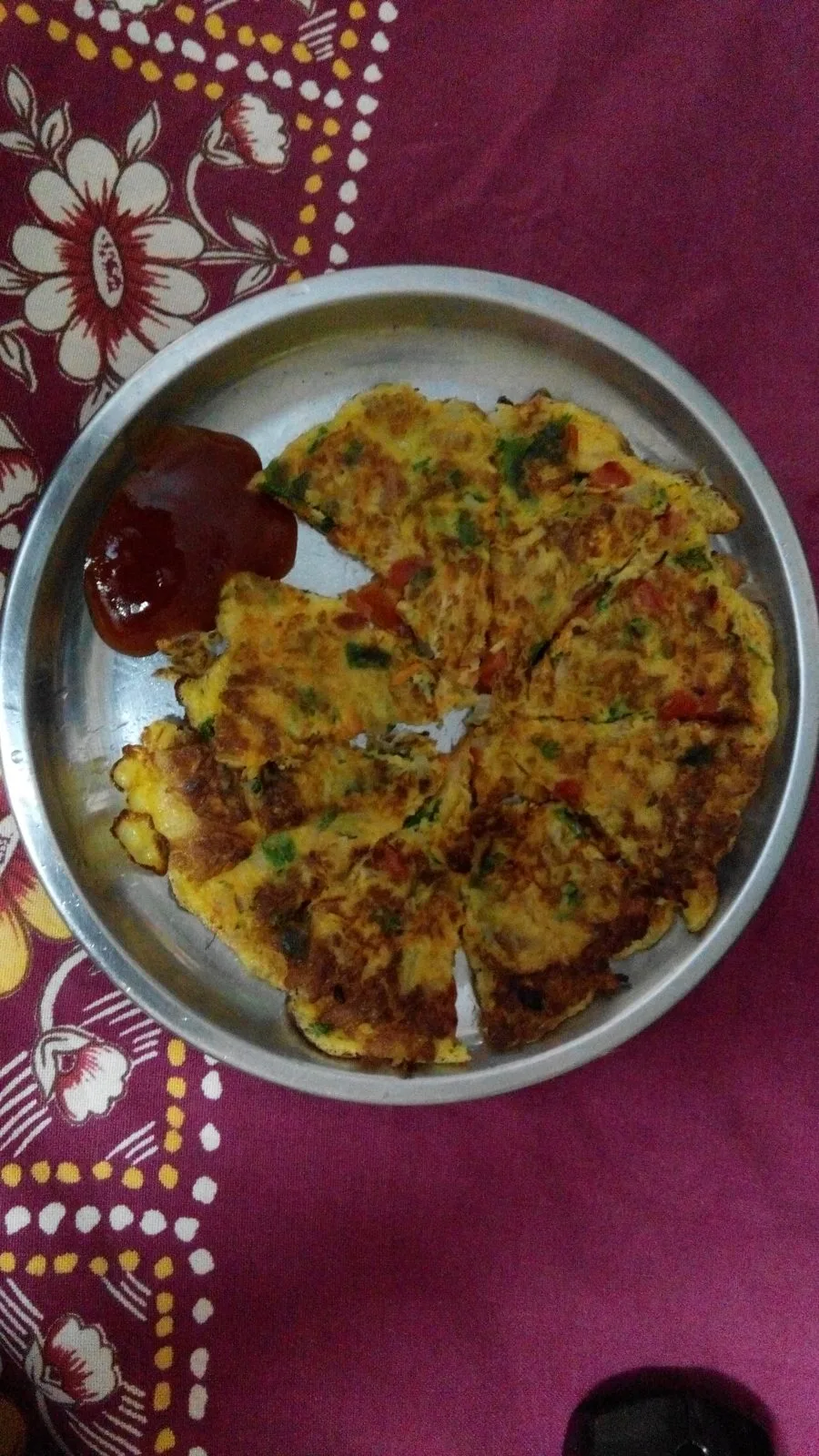
Photo: Vinodbarc / CC BY-SA 4.0
Suhoor Timetable Ideas: 10, 20 and 35 Minute Menus
Plan suhoor by the clock, not the menu
Most suhoor advice starts with food. The actual constraint is a clock. Your alarm goes off, the fasting start time is a fixed number on a timetable, and the gap between them is smaller than you want it to be. Sehri also shifts through the month, so the gap changes: in many places it moves by a minute or two each day, which adds up to more than half an hour across a full Ramadan. <!-- VERIFY: Daily shift of roughly 1 to 2 minutes depends on location and season; check the local timetable. -->
So this suhoor timetable asks one question first: how many minutes will you really be standing in the kitchen? Pick the column, then pick the dishes. Times for each dish are the prep and cook times on its recipe page in our library.
The three budgets at a glance
| Budget | Dishes | Stove time | Needs from the night before |
|---|---|---|---|
| 10 minutes | Omelette + bread + lassi | 5 + 5 min | Chopped onion, chilli in a box |
| 20 minutes | Anda paratha | 15 + 15 min | Dough made and rested |
| 35 minutes | Reheated khichdi and aloo paratha | 10 + 30 min khichdi, 25 + 15 min paratha | Both cooked or shaped the night before |
None of these is a health plan. They are meals that fit a time window and fill a plate. If you want to talk about what to eat for medical reasons, that is a question for your doctor, not a recipe site.
The 10-minute suhoor (omelette, bread, a cold drink)
Our omelette is 4 eggs for 2 servings, with onion: 5 minutes prep, 5 cook. That is the whole plan.
- Alarm minus 0: Alarm. Pan on medium. Eggs cracked into a bowl while it warms.
- +3 min: Whisk with the pre-chopped onion and chilli (this is what the night before is for). Pour into the pan.
- +6 min: Flip, finish, and slide onto a plate.
- +8 min: Toast or warm roti while you pour lassi or water.
- +10 min: Sit down. Whatever is left of the timetable is yours to eat slowly.
The trick is the chopped onion. Prepping it the night before removes the one task that always takes longer than you plan at 3:30 in the morning. Keep it in a small covered box in the fridge.
The 20-minute suhoor (anda paratha)
Anda paratha makes 2 servings from 150 g atta (about 1.25 cups), 3 eggs and an onion, with 15 minutes prep and 15 cooking. If you wait until suhoor to make the dough, you are already out of time, so make it after taraweeh or before bed.
Night before (5 min): knead the dough and rest it, covered, at room temperature. Chop the onion with a green chilli and leave it in the fridge.
At suhoor:
- 0 to 3 min: Heat the tawa. Divide the dough and roll the first piece out.
- 3 to 10 min: Cook the first paratha, then spread the egg-onion mix across it as the recipe describes. Roll the second while the first cooks.
- 10 to 15 min: Second paratha. Plate with yogurt or a glass of lassi.
- 15 to 20 min: Eat, drink water, make your intention.
If the clock is tight, skip the second paratha and make one thicker one to share. That is about the same stove time as one paratha per person on a cold tawa.
The 35-minute suhoor (a proper sit-down meal)
This is the plan for the first night of the month, or any weekend where you can wake earlier. It needs a pot of khichdi that was cooked at iftar and a pan of aloo paratha shaped in advance.
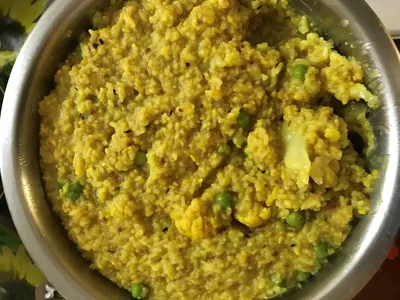
Khichdi is 150 g rice and 150 g moong lentils (about 0.75 cup each), 10 minutes prep and 30 cook, for 4 servings. Cook it at iftar time or just after, cool it fast, and refrigerate. At suhoor it takes 5 to 7 minutes to reheat in a pan with a splash of water. <!-- VERIFY: reheating time is an estimate, not a tested figure; reheat until steaming hot. -->
Aloo paratha takes longer: 25 minutes of prep and 15 to cook for 3 servings. The practical version is to boil and mash the potatoes at iftar, stuff and roll the parathas after dinner, stack them with baking paper between each, and keep them in the fridge. At suhoor each paratha is only about 4 to 5 minutes on the tawa. <!-- VERIFY: per-paratha time and fridge-stacking method are general technique, not from our recipe data. -->
Timeline from alarm:
- 0 to 2 min: Khichdi on low heat, lid on. Tawa on medium.
- 2 to 12 min: Parathas, two at a time if the tawa is wide.
- 12 to 20 min: Stir the khichdi, add a little more water if it has tightened, and put out the yogurt.
- 20 to 35 min: Eat without checking the clock every minute. That is the point of the long plan.
Tape the timetable on the fridge
Because sehri moves across the month, pick the column by date. A rough rule for planning, not for medical advice: when the gap is tight (early in a month when the fasting start falls earlier), use the 10-minute plan; when it loosens, move up to the 20 or 35. Our post on planning around sehri time shifts goes into the weekly shifting in more detail.
Night-before checklist, five minutes
- Dough kneaded, covered, resting (anda paratha).
- Onion, chilli and coriander chopped and boxed.
- Eggs out of the fridge top shelf, within reach.
- Khichdi cooled and chilled, or parathas stacked and chilled.
- Drinks on the counter: lassi in a jar, water bottle filled.
- Alarm set 5 minutes earlier than you think you need.
If you want to keep a running checklist of what is Have, Low or Out for the month, the Degchi pantry tool works on your phone without an account.
Related recipes



Related posts
A Simple Ramadan Meal Plan for a Busy Family (Gulf and UK)
Ramadan cooking goes wrong when every night is a banquet. Here is a calm weekly rhythm for iftar and suhoor, built from dishes you can actually cook, with a prep day that does most of the work.

Ramadan Suhoor Timetable: Plan Around Fajr, Not the Clock
Sehri time slides through the month, so a fixed clock plan fails. Count back from Fajr instead, with a simple suhoor timetable, recipes that fit each time slot and a night-before routine.

3-Day Iftar and Suhoor Timetable With Afternoon Prep
Three days of iftar and suhoor laid out hour by hour, with the real work moved to the afternoon before so the hungry hours are only reheating and plating.

Iftar for Two: A Small-Batch Plan With No Leftover Pile
Most iftar recipes feed ten. Here is a week of iftar for two: what to cook fresh, what to prep in the afternoon and how to avoid a fridge full of fried leftovers.