 Degchi
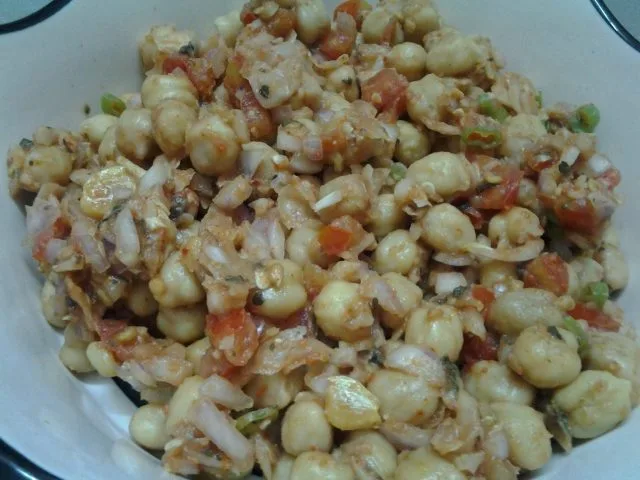
Photo: Rashmiwalia85 / CC BY-SA 4.0
3-Day Iftar and Suhoor Timetable With Afternoon Prep
It is 4:30 in the afternoon, the fast has two hours to run, and the kitchen is the last place anyone wants to be. The fix is not more willpower. It is deciding, a day ahead, which jobs happen in the cooler part of the afternoon and which are only reheating. This iftar and suhoor timetable covers three days in a row and is built around one rule: every evening, cook for tomorrow's suhoor and tomorrow's iftar base at the same time.
Times below are examples. Swap them for your local sunset and pre-dawn times.
The rule behind the timetable
Cook once, split into two meals. A pot of chickpeas feeds tonight's chaat and tomorrow's curry. Rice made for iftar becomes suhoor khichdi the next morning. Anything cooked ahead needs cooling quickly: get cooked rice and daal into shallow containers within about an hour, refrigerate, and keep them no more than a day. Reheat until steaming hot all the way through.
If you want the wider Ramadan picture first, our Eid and Ramadan planning guide covers the month; this post is only the three-day grid.
Day 1: starting from nothing
Afternoon (about 2:30 to 4:00):
- Soak 300 g (1.5 cups) dried chickpeas if you start from dry; or drain two 400 g (14 oz) cans if you don't.
- Make the tamarind water for chaat: 2 tbsp pulp in 250 ml (1 cup) warm water, strained.
- Chop onion, tomato, cucumber and green chilli for chana chaat. Keep them in separate boxes so nothing goes watery.
Iftar (sunset):
- Dates and water first. Then chana chaat, assembled at the table: chickpeas, vegetables, tamarind water, chaat masala.
- Something fried is optional. Our pakora batter guide helps if you make it.
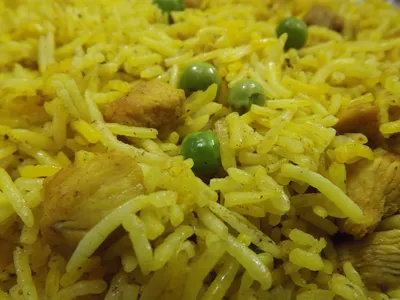
- A fuller plate about 30 minutes after: chicken pulao, which takes about 70 minutes, so it starts at 4:30 or earlier. Cook enough for two days.
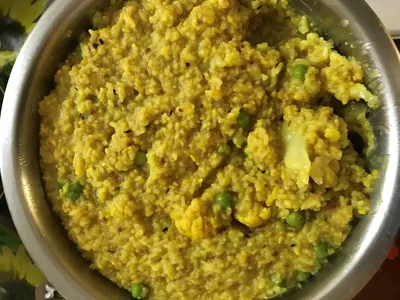
Evening after dinner: cook a pot of khichdi for suhoor, or cool the leftover pulao quickly and put it away. Chill lassi base.
Day 2: reheat and top up
Suhoor (about 1 hour before dawn):
- Reheat khichdi with a splash of water, steaming hot throughout. Add a spoon of yogurt on top.
- Lassi from the fridge, and a handful of dates.
- Keep the plate plain and not too salty. Heavily salted food at suhoor tends to make people thirsty by afternoon.
Afternoon prep (2:30 to 4:00):
- Make chana masala fully, not just prep. It improves in the fridge and reheats well.
- Boil rice only if you are eating it tonight; otherwise use the leftover pulao.
- Whisk a batch of dessert, for example kheer, and refrigerate so it sets by iftar.
Iftar: dates, water, chaat leftovers or fresh fruit, then chana masala with roti or rice, kheer to finish.
Day 3: the easy day
Suhoor: leftover chana masala, warmed in a pan until bubbling, with fresh roti or paratha. If you did not make roti dough on Day 2, the soft roti dough guide shows how to make it in 10 minutes and rest it.
Afternoon: nothing new. Use this window to cook for Day 4 so the grid keeps going, or to make a freezer batch. Samosas and rolls are the usual freezer jobs: see the Ramadan freezer prep guide.
Iftar: a quick egg dish plus salad plus whatever remains. This is where leftovers earn their place.
The three-day grid at a glance
| Suhoor | Afternoon job | Iftar | |
|---|---|---|---|
| Day 1 | Whatever you already have | Chop chaat vegetables, tamarind water, start pulao | Dates, chana chaat, chicken pulao |
| Day 2 | Reheated khichdi, lassi | Cook chana masala, set kheer | Dates, chana masala with rice or roti, kheer |
| Day 3 | Chana masala with roti | Cook ahead for Day 4 or freeze | Eggs, salad, leftovers |
Where it goes wrong
- Everything cooked the same afternoon. Spread the work: one big cook each day, not three small ones.
- Warm rice left on the counter. After about an hour out it needs to be in the fridge. See cooling and reheating rice and daal safely.
- Suhoor that is too heavy. A bowl of something warm and soft is easier to eat at that hour than a full plate.
- Chaat assembled in advance. Soggy crackers, limp onions. Keep the parts apart and mix at the table.
Your shopping list for the three days
- Chickpeas, dried or canned, 600 g (about 3 cups cooked) total
- Basmati rice 400 g (2 cups) and a cup of rice and lentils for khichdi
- Chicken, 700 g (1.5 lb), bone-in
- Yogurt 500 g (2 cups) plus milk 1 litre (4 cups) for kheer and lassi
- Onions, tomatoes, cucumbers, green chillies, lemons
- Tamarind pulp, chaat masala, dates
Degchi's pantry sandbox on the home page can show which of these your cupboard already covers before you shop.
Small adjustments that save the afternoon
If your fast is long and your energy is low by 3 p.m., cut the Day 1 prep list down to the chaat vegetables and let the pulao wait for Day 2. Nothing in this plan is fixed. The point is that the work happens when you feel best, usually right after the midday rest, and never in the final hour before sunset when everyone is hungry and short-tempered.
Two practical habits help. Label every container with the dish and the day it was cooked. And keep one "do not touch" box of dates and fruit on a visible shelf, so the first bite at iftar needs no preparation at all. If a day goes wrong, fall back to khichdi, yogurt and dates; it is a perfectly good iftar and a better suhoor.
Related recipes



Related posts
Suhoor Timetable Ideas: 10, 20 and 35 Minute Menus
The question at 3:40am is not what is healthy, it is what can I make before the time runs out. Three clock-based suhoor menus with minute-by-minute steps.

Iftar for Two: A Small-Batch Plan With No Leftover Pile
Most iftar recipes feed ten. Here is a week of iftar for two: what to cook fresh, what to prep in the afternoon and how to avoid a fridge full of fried leftovers.
Ramadan Freezer Prep: Samosas, Rolls and Other Iftar Starters You Can Make Ahead
Fried iftar starters are the first thing to drain your energy in Ramadan. Make them ahead, freeze them flat, and cook from frozen.