 Degchi
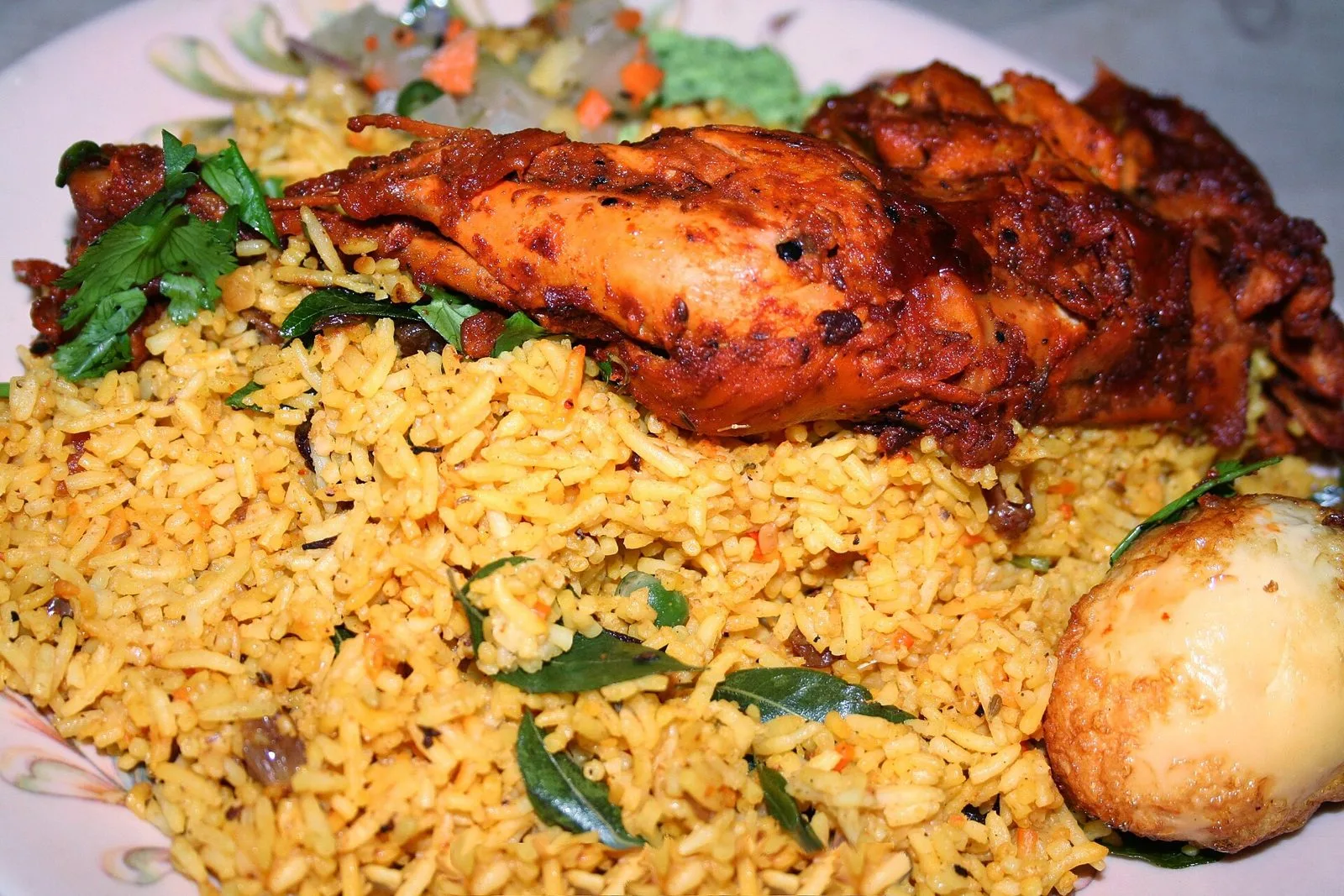
Photo: Shehal / CC BY-SA 4.0
Ramadan and Eid Meal Planning for Families: A Calm, Shared Approach
Planning is the real preparation
For many families the work of Ramadan is not just fasting. It is also cooking two main meals a day, often for several people, while keeping up with work, school and prayers. Then Eid arrives and the kitchen has to produce a celebration. Without a plan, one person ends up carrying everything.
This guide is about the planning side only: who does what, when to shop, and how to prepare ahead. It does not cover fasting rules or religious guidance. For those, follow your own tradition and ask someone whose knowledge you trust. If you want ready-made menus, our other posts cover a Ramadan weekly meal plan and a Pakistani iftar menu with US measurements.
Step one: talk before the month starts
Sit down together a week before Ramadan, even for fifteen minutes, and agree on four things.
- Who cooks which meal. Some families rotate by day. Others assign iftar to one adult and suhoor to another.
- What the fixed items are. Many households have a few things that appear every day, such as dates, a fruit chaat or a simple drink. Decide these once so nobody has to think about them.
- How many mouths. Count guests and invitations. Hosting an iftar every weekend is very different from hosting twice in the month.
- What children can do. Even younger kids can wash fruit, set the table or stir a cold dessert. A job gives them a stake in the meal.
Step two: shop in two rounds, not one giant trip
A single enormous shopping trip before Ramadan sounds efficient, but fresh produce will not last four weeks. Split it:
- Round one, before the month: dry goods and freezer items. Rice, flour, lentils, chickpeas, oil, spices, tea, dates, and frozen items such as samosa sheets or paratha.
- Round two, weekly: vegetables, fruit, yogurt, herbs, fresh meat and bread.
Write both lists separately. Check your pantry before the first trip so you do not buy a third bag of rice by accident. Degchi tracks pantry items as Have, Low or Out and builds the shopping list from the Low and Out items, which makes this round-one check quick. A written list on your phone does the job too.
Step three: make a simple weekly pattern
You do not need thirty different menus. Use a repeating pattern with a few variations:
| Day type | Iftar idea | Notes |
|---|---|---|
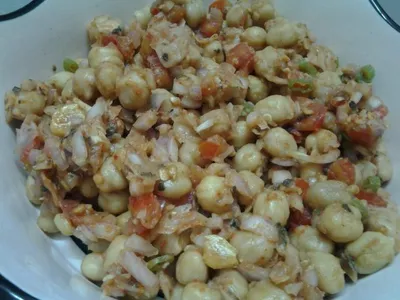
| Light day | Dates, chana chaat, soup or daal | Little cooking required |
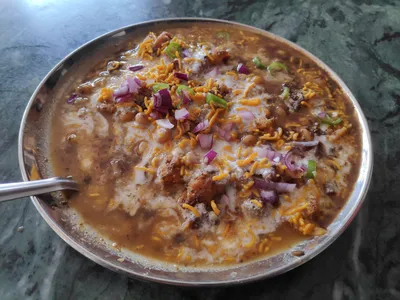
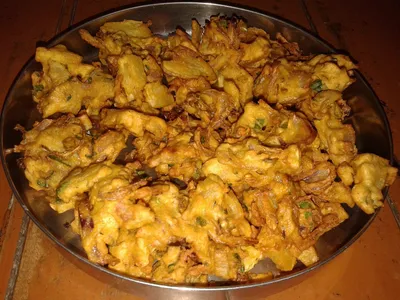
| Fried-treat day | Samosa chaat or pakoras | Fry once or twice a week, not daily |
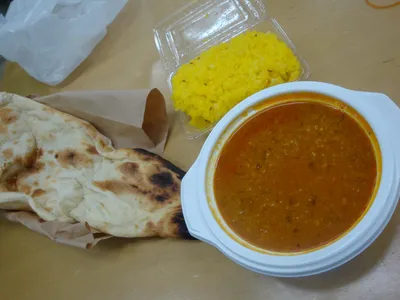
| Rice day | Chicken biryani or a pulao | Make extra for next day |
| Guest day | One main, two sides, one dessert | Prepare components ahead |
Repeating the pattern means you buy fewer different ingredients and spend less time deciding.
Step four: prepare ahead where it is safe
Some tasks are happy to be done early. Others are not.
Good to do ahead:
- Chop onions and freeze them in portions.
- Make and freeze samosa or kebab mixtures before shaping.
- Cook lentils and keep them in the fridge for a few days, or freeze them.
- Prepare ginger and garlic paste in small batches.
Better done fresh:
- Fried items, which lose crispness.
- Salads and chutneys with fresh herbs.
- Rice, which should be cooled quickly and refrigerated within about an hour or two if you are saving it.
Always cool cooked food promptly, store it in shallow containers and reheat it until steaming hot. Rice and cooked meat left at room temperature for long periods are a common source of food-poisoning problems.
Step five: plan the Eid table in stages
Eid has its own rhythm, and the aim is that on the morning itself you are not starting from zero.
Three or four days before: finalize the menu and write the shopping list. Order or collect any special meat from your butcher.
Two days before: shop for fresh ingredients. Make anything that freezes well.
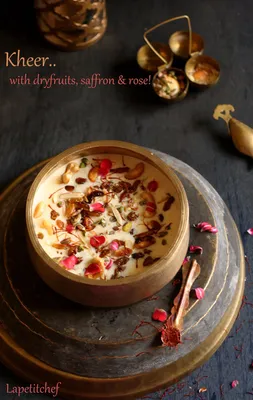
The day before: prepare the biryani base or marinate the meat, set out serving dishes, and make the sweet dishes. Milk desserts such as kheer and vermicelli dishes such as meethi sewaiyan generally hold well when chilled, and many families make them in advance.
Eid morning: finish the main dish, warm the sides, and arrange the table. Because the work was staged, you can attend prayers and greet guests without a last-minute scramble.
How much to make
Overcooking is a common Eid habit. As a rough guide, a typical main portion of rice dish is around 1 to 1.5 cups of cooked rice per adult (about 200 to 300 g), but appetites vary. If you are worried, make slightly less rice and more sides, because extra sides are easier to use up later. The servings scaler on each recipe page in Degchi will adjust ingredient amounts when you change the number of guests.
Share the load, and say it out loud
The most important tip is not culinary. Let people take specific tasks and thank them. One person brings dessert, one handles drinks, one tidies the table. It is easy to assume everything is "your job" and quietly resent it. Say what you need, and accept help in whatever form it arrives.
A short checklist
- Hold a fifteen-minute family planning talk.
- Shop in two rounds: dry goods first, fresh weekly.
- Use a repeating weekly iftar pattern.
- Prepare ahead only what stores safely.
- Stage the Eid menu over four days.
- Assign tasks and share the cooking.
A little structure leaves more energy for what the season is actually about: time together.
Related recipes
Related posts
Ramadan Grocery List: What to Buy Two Weeks Before
Two weeks before Ramadan, the shops are busy and the prices bounce. A staged list, with a freeze-ahead step, keeps the month calmer.

Iftar for Two: A Small-Batch Plan With No Leftover Pile
Most iftar recipes feed ten. Here is a week of iftar for two: what to cook fresh, what to prep in the afternoon and how to avoid a fridge full of fried leftovers.
A Night-Before Routine for Easy Suhoor in Ramadan
Instead of a list of dishes, this is a routine. Ten minutes after iftar clean-up sets up a calmer pre-dawn kitchen for the whole Ramadan month.