 Degchi
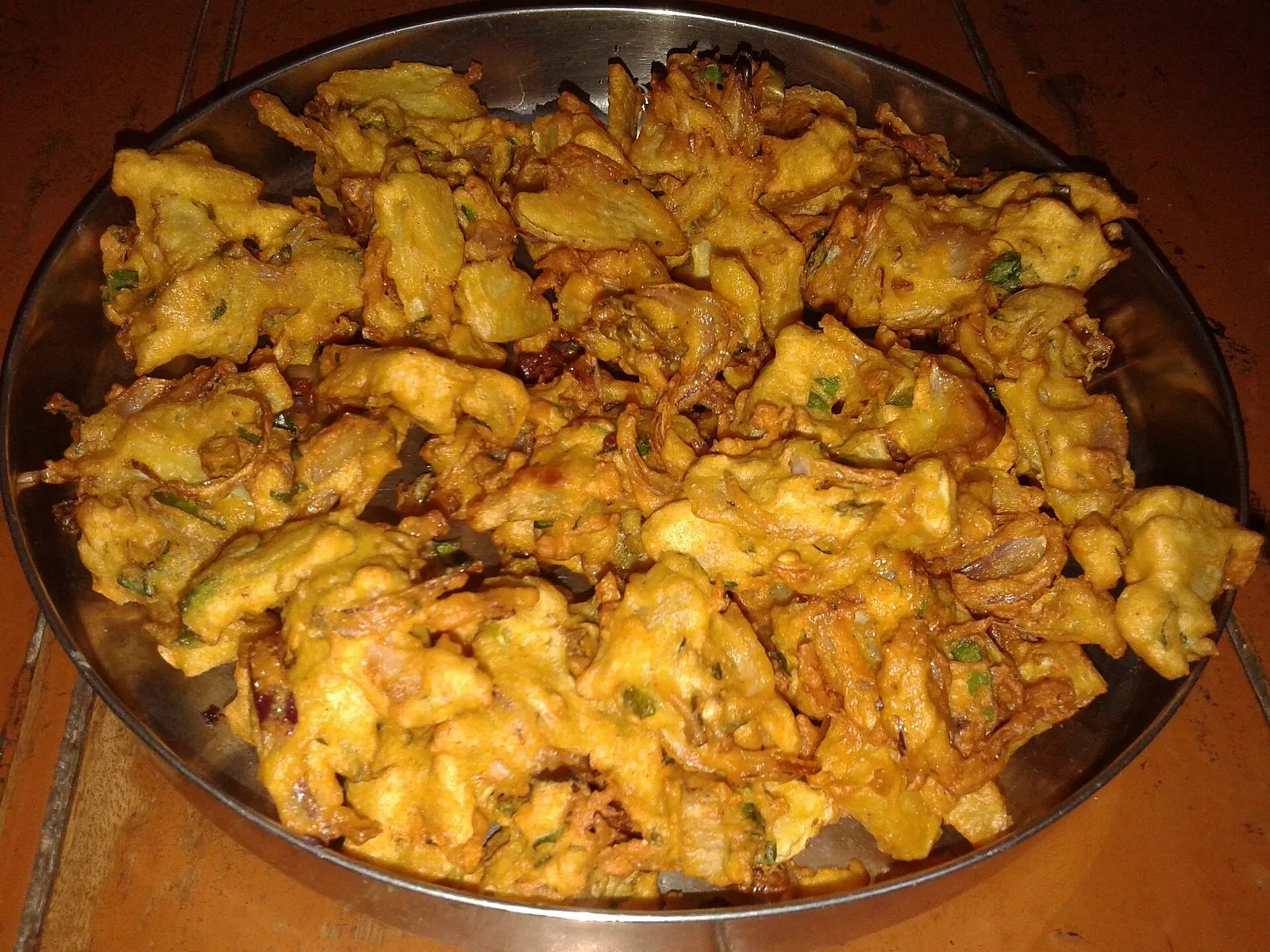
Photo: Harmeet / CC BY-SA 4.0
Ramadan Grocery List: What to Buy Two Weeks Before
Two weeks before Ramadan, you walk into the supermarket and every aisle has a queue. The mistake most households make is buying everything at once, then running out of fresh items by the second week while the freezer is stuffed with things nobody wanted. A better approach is to split the list into three groups: dry goods now, freezer items over the weekend, and fresh items weekly.
This list is general. Adjust quantities to your household size and what you already have. Do a stock count first, using your pantry tracker or a notebook, so you do not buy a third bag of flour.
Group 1: dry goods to buy two weeks ahead
These last well and are first to disappear from shelves.
- Dates, for opening the fast. Check the best-before date; keep them in a cool place.
- Flour and besan: atta, plain flour, gram flour for pakoray and fritters.
- Rice: basmati for pulao and a short-grain for kheer or khichdi.
- Lentils and legumes: chana, masoor, moong, and tinned chickpeas for chana chaat.
- Oil and ghee. Check how many deep-fried items you plan; oil goes fast.
- Sugar, tea, salt, spices. See how long do spices last before you stock up on ground ones that may be stale by mid-month.
- Drinks and syrups: rose syrup, jam or tamarind, whatever your table uses.
- Vermicelli and sweets bases: for Eid sheer khurma, if you plan it.
Write the quantity on the list before you walk in. For example: "rice 5 kg" rather than "rice". Without a number, you will overbuy.
Group 2: freeze-ahead items for the weekend before
Cooked and frozen food saves time when everyone is tired.
- Samosa and roll fillings, shaped and frozen on a tray, then bagged. See Ramadan freezer prep.
- Onion-tomato masala base in ice cube trays or small bags. It starts three dishes in minutes.
- Ginger-garlic paste, frozen in small portions, see ginger garlic paste at home.
- Kebab mixture or shaped kebabs. Cook to 71 C (160 F) for mince.
- Chicken or mutton portions, marinated or raw, flat in freezer bags.
- Dough for parathas, wrapped in layers with paper.
Freeze flat, label with the date, and keep a list on the fridge so you use things in order. Thaw in the fridge, not on the counter.
Group 3: fresh weekly shop
Buy these every five to seven days:
- Fruit for the table, especially bananas, melon, grapes or whatever is cheap locally.
- Fresh coriander, mint and green chillies, which wilt fast.
- Yogurt for dahi baray, lassi and raita.
- Potatoes, onions and tomatoes, topped up as needed.
- Milk, if you drink it for suhoor.
- Bread and eggs.
Store herbs wrapped in damp paper in the fridge; the post on storing fresh coriander, mint and green chillies explains how.
Things to skip
Do not buy large amounts of specialty items you use once. Do not buy a big stock of pre-made frozen snacks unless you know the family will eat them. Do not buy fresh fruit two weeks ahead; it will spoil.
Also skip duplicate staples: if you already have three kinds of flour you rarely use, work with them first.
A sample two-week-before timeline
| When | Task |
|---|---|
| 14 days out | Stock count, write list by group |
| 12 days out | Buy Group 1, put away carefully |
| 9 days out | Rough menu: 7 suhoor and 7 iftar ideas |
| 7 days out | Freeze-ahead weekend |
| 3 days out | First fresh shop |
| 1 day out | Clear fridge space, label containers |
For ideas on what to cook, see Ramadan weekly meal plan for Gulf and UK families and suhoor clock: 10, 20 and 35-minute menus.
Budget notes
Prices vary by country and week; this list does not assume a particular budget. If money is tight, prioritise staples: dates, rice, lentils, flour, oil, milk and eggs. Home-cooked daal and khichdi cost far less than ready-made snacks.
Storage space and labels
A crowded kitchen is the quiet enemy of a Ramadan shop. Before the big purchase, clear one shelf for dry goods and one freezer drawer for prepared items. Decant flour and rice into airtight tubs so pests do not spread, and stick a strip of tape on each with the purchase date. In the freezer, group by meal rather than by ingredient: one bag of samosas, one bag of kebabs, one tub of masala base. When you are hungry at 5 pm, you want to reach for a dinner, not hunt through a tangle of unlabelled bags.
Keep dates in a sealed jar away from open spices, and check cooked-and-frozen items after about a month; anything with freezer burn or an unknown date goes in the bin rather than the pot.
After the first week
Do a mini stock count after seven days. Note what ran out and what you have too much of, then adjust the weekly fresh shop. By the second week you will know your family's real appetite, rather than the one you imagined in the shop. Keep the notes for next year; copy this list and update it, and the planning gets quicker every Ramadan.
Related recipes



Related posts

Iftar for Two: A Small-Batch Plan With No Leftover Pile
Most iftar recipes feed ten. Here is a week of iftar for two: what to cook fresh, what to prep in the afternoon and how to avoid a fridge full of fried leftovers.

A Night-Before Routine for Easy Suhoor in Ramadan
Instead of a list of dishes, this is a routine. Ten minutes after iftar clean-up sets up a calmer pre-dawn kitchen for the whole Ramadan month.
Ramadan and Eid Meal Planning for Families: A Calm, Shared Approach
Ramadan and Eid go smoother when the planning is shared. Divide the work, shop in two rounds, and prepare the Eid table in stages instead of all at once.