 Degchi
Photo: Kskhh / CC BY-SA 4.0
Ginger Garlic Paste at Home: Ratio and Safe Storage
You open the fridge and the jar of ginger garlic paste is dark, a little sour, and you cannot remember when you made it. Homemade paste is cheap and much fresher than the store jar, but it has a storage problem that deserves a straight answer. This guide covers the ratio, how to blend it, and how to keep it without gambling on a jar.
Why it is worth making
Open any of our curry recipes and you will find ginger and garlic near the top of the method. Of our 206 recipes, 71 list both ginger and garlic, and 54 mention ginger-garlic paste directly in the steps. Karahi, chicken biryani and dal makhani each call for 1 tablespoon of each. So a spoon of paste is something you will reach for several times a week.
The ratio
Of the 71 recipes that use both, 62 call for equal amounts of ginger and garlic. That is the ratio to start with: equal parts by volume once blended, which in practice means about the same weight of peeled ginger and peeled garlic.
Bigger dishes scale up. Nihari uses 2 tablespoons of each. Kadai paneer leans toward ginger, with 2 teaspoons of ginger to 1 of garlic, which shows that you can bend the ratio to the dish. If your family likes ginger more, make a ginger-heavy batch and add extra garlic fresh when needed.
Making a small batch
- Peel the ginger with the edge of a spoon, which gets into the knobbly bits. Peel the garlic.
- Chop the ginger into small pieces so the blender has less to fight.
- Blend with a splash of water until smooth, stopping to push the sides down. Use as little water as you can, so the paste stays thick enough to measure by the spoon.
- Taste a bit. Raw garlic is strong and will mellow once it hits a hot pan.
Make a small amount, enough for a week of cooking. A big batch is a big storage problem.
Oil or salt on top
Many families pour a thin layer of oil or sprinkle salt over the jar. They may help with appearance, but we found no source that treats them as a safety measure, and this is where care matters.
Garlic stored in oil has a documented history with botulism. A food-protection review says freezing is the safest option for home-prepared vegetables or herbs stored in oil, and that if they are not frozen they should be refrigerated and used within four days or discarded. It also warns that you cannot judge safety by looking or smelling. Garlic is named among the foods involved, and most of the outbreaks it describes came from homemade versions.
The cautious reading for paste: treat any homemade ginger garlic paste, with or without a layer of oil or salt, as a few-days fridge item, not a month-long one. We do not have a tested figure for salted paste, so use the four-day rule as the ceiling. If in doubt, freeze it.
Fridge rules
- Use a clean, dry jar and a clean spoon every time. Never dip a used spoon.
- Keep the fridge at 40 F (4 C) or below. The US food safety agency recommends that for refrigerators and 0 F (-18 C) for freezers, and suggests using an appliance thermometer.
- Label the jar with the date you made it.
- If it smells sharply sour, looks fizzy or has changed colour oddly, throw it out.
The ice-cube trick
This is the method to use for anything beyond four days, and it makes weeknight cooking quicker too.
- Spoon the fresh paste into an ice-cube tray, filling each compartment evenly.
- Freeze until solid.
- Pop the cubes into a freezer bag or container, press out the air and label it with the date.
- Drop a cube into the hot pan straight from the freezer.
Before you start, measure one compartment with water and a tablespoon, so you know how many cubes make 1 tablespoon. Then a recipe that calls for 2 tablespoons of paste (like chana masala, which uses 1 tablespoon each of ginger and garlic) becomes a matter of counting cubes. We have not tested how many months the frozen paste holds its flavour, so treat the freezer as a safety tool first and a quality tool second; the strongest flavour is in fresh batches.
If you also freeze other cooking bases, our freezer-friendly pantry staples guide covers what else freezes well, and the onion-tomato masala base shows the same cube-by-cube approach for a larger base.
A quick comparison
| Method | Effort | How long | Notes |
|---|---|---|---|
| Fresh each time | Chop or grate | Same day | Best flavour, slowest |
| Fridge paste | Blend once | A few days, up to four as a ceiling | Clean spoon, labelled jar |
| Frozen cubes | Blend and freeze | Longest | Use straight from frozen |
| Store-bought jar | None | See the label | Different seasoning from fresh paste |
Mistakes to avoid
- Making a big batch and leaving it at the back of the fridge.
- Topping with oil and treating it as a seal.
- Storing in a jar that was washed but not dried.
- Skipping the label. You will not remember the date.
Planning which dishes need paste across the week helps you make the right amount. The pantry planner at Degchi shows which recipes use ginger and garlic, so you can batch it for the dishes you actually plan to cook.
Related recipes

Related posts
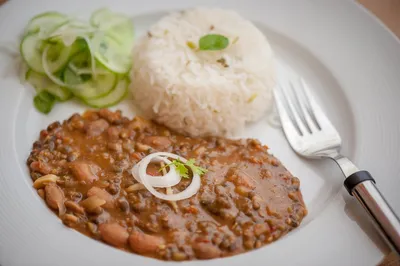
Winter Desi Dinners: One Sunday Pot, Three Cold-Night Meals
Winter desi dinners that improve overnight. Pick one pot on Sunday, then turn it into three different meals during a dark, cold week, with amounts, timings and reheating rules.
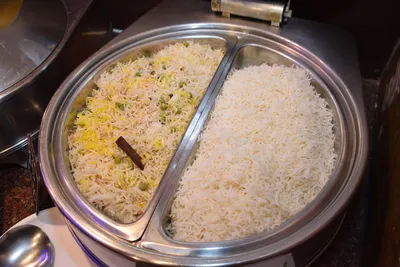
Cooling, Storing and Reheating Rice and Daal Safely
Leftover rice and daal are the backbone of desi meal prep. A few simple habits keep them safe to eat.

Sunday Meal Prep for Busy Families: A Two-Hour Routine That Works
Meal prep does not mean eating the same box of chicken five days running. Here is a two-hour routine that preps components, not whole meals, and leaves room for change.
Batch Cooking and Freezer Meals for Desi and Gulf Kitchens
One long cooking session can feed a family for two weeks. Here is what freezes well, what does not, and how to cool, portion and reheat it safely.