 Degchi
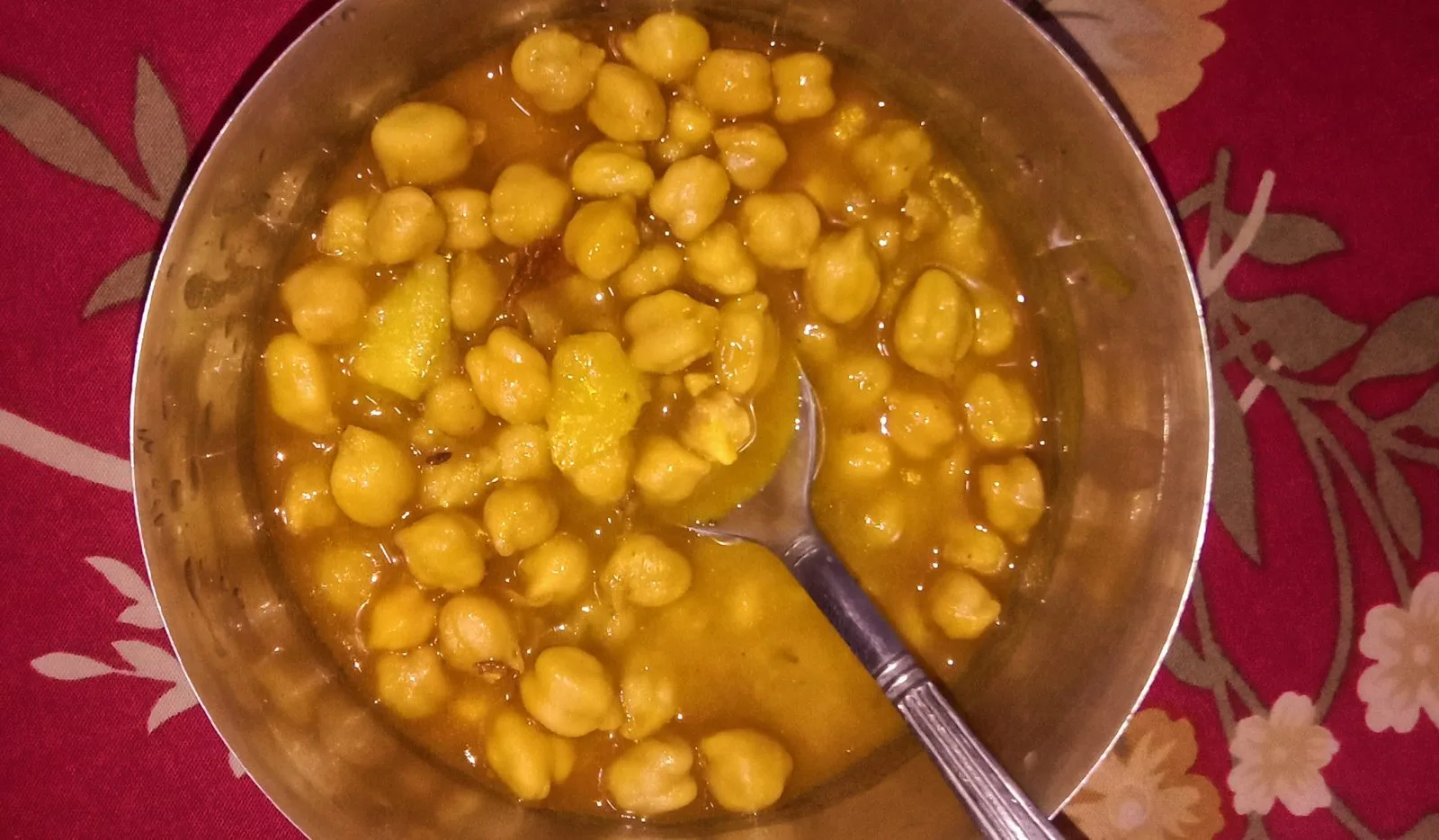
Photo: Billjones94 / CC BY-SA 4.0
How Long Do Spices Last? Whole vs Ground
You open the turmeric jar and the colour is fine, but the smell is faint, almost dusty. The curry you make with it tastes of oil and salt and not much else. Before you buy a whole new set, it helps to know how long spices last, and which ones are actually past it.
Spices fade, they do not spoil like milk
The most useful idea comes straight from one of the big spice makers. McCormick's guidance says it is better to think of dried spices as going "not good" rather than bad. They lose aroma and flavour over time. That is a quality problem, not a safety alarm. Its own page does not make a food-safety claim either way, so we will not make one for it.
That gives you a simple rule for the rest of this post. When a spice smells of nothing, it will taste of nothing, and you will end up adding more and more of it. Replace it for flavour, not fear.
The numbers, and why to treat them as a ceiling
McCormick's published figures, which are approximate and assume proper storage, are:
| Type | Shelf life |
|---|---|
| Whole spices | about 3 to 4 years |
| Ground spices | about 2 to 4 years |
| Leafy herbs and most blends | about 1 to 3 years |
These come from a company that sells spices, and the range is generous. Think of the figures as the outer edge. A jar in a hot kitchen, opened daily, will fade faster than a sealed one in a cool drawer. If you cook with ground cumin and coriander every week, you will notice the loss before any calendar does.
These are one manufacturer's figures, not a universal rule, so use them as a guide.
Why whole spices win
A whole cardamom pod, cinnamon stick, clove or cumin seed keeps its aromatic oils inside until you crush it. Once you grind, the surface area explodes and the aroma escapes. The same McCormick page says whole spices have an inherently longer shelf life than ground ones.
The cooking consequence is practical. Our Bangladeshi chicken korma fries 5 cardamom pods, 2 cinnamon pieces and 4 cloves in hot ghee and oil for 30 seconds, "until fragrant". That step only works if the whole spices still have something to give. Nihari leans on star anise, dried ginger, cinnamon and cloves, and matar pulao is cooked with whole garam masala and bay leaf.
Buy small amounts of whole spices you use for tempering and rice. Grind the ones you need for masalas in small batches, as our masala dabba guide suggests.
The smell test
McCormick does not describe a formal test, so this is our own routine, based on how you would judge any spice by aroma.
- Open the jar and smell it straight away. A good turmeric, cumin or coriander smells clearly of itself.
- If it is faint, rub a pinch between your fingers and smell again. Warmth releases a little more.
- If you still get little, toast it in a dry pan for 20 to 30 seconds. McCormick suggests heating spices until they are "noticeably more fragrant" to revive them. That can rescue a mildly tired jar. It cannot rescue one that smells of nothing.
- If it smells musty, damp or off, throw it out. A damp smell suggests moisture got in.
Do not rely on colour alone. A bright jar can still be bland.
Storage that actually helps
McCormick's advice is plain:
- Keep spices in a tightly capped container, away from heat, moisture and sunlight.
- Do not store them over the stove, near a dishwasher or sink, or by a window. Repeated heat is the enemy, for whole and ground alike.
- Write the date on the jar when you open it.
- Do not freeze them. McCormick says freezing does not extend shelf life, and taking jars in and out can cause condensation.
- It suggests refrigerating paprika and chilli powder to hold their colour and freshness.
The practical translation: a shallow drawer or a dark cupboard away from the cooker beats a pretty rack on the wall above the burners.
Which jars to use up first
Look at what your recipes lean on. In our chana masala, the flavour comes from turmeric, red chilli powder and coriander powder, added to the base and cooked for a minute, then finished with chaat masala. All of those are ground and all fade, so they are the first jars to check. For dal, the cumin in a tadka is a whole-seed job; our tadka explainer walks through it.
Blends such as garam masala sit at the shorter end of the table. If you want a deeper look at what goes in them, see garam masala vs chaat masala vs curry powder.
A quick shopping habit
Degchi tracks your pantry so you can flag a spice as running low; you can try the pantry planner at degchi.matrixinn.net/#try with no sign-up.
For your next shop:
- Buy whole cumin, cardamom, cloves and cinnamon in small packs.
- Buy ground turmeric and chilli powder in the smallest pack you will finish in a year.
- Put a date sticker on every jar.
- Smell every jar before you restock, and replace the ones that smell of nothing.
Related recipes
Related posts
A 10-Minute Spice Shelf Audit: Keep, Refresh or Toss
Instead of guessing whether the cumin is still good, run a ten-minute audit with your nose and a spoon. Three piles: keep, refresh, toss.

The Masala Dabba: Spice Box Basics for Every Desi Kitchen
A masala dabba is a round steel box with seven small bowls. Here is what usually goes in it, what each spice does, and how to keep them fresh.
Methi Seeds vs Fresh Methi vs Kasuri Methi: Which for What
Same plant, three very different ingredients. Here is what methi seeds, fresh leaves and dried kasuri methi do in a pot, and how to avoid the bitter mistake.
Mustard Seeds (Rai): Why They Pop and When to Add Them
Mustard seeds that will not pop, or pop and turn bitter, wreck a tadka before it starts. Here is the heat, timing and amounts that work for South Indian dishes.