 Degchi
Methi Seeds vs Fresh Methi vs Kasuri Methi: Which for What
A recipe asks for "methi" and the shop has three things with that word on them: small golden seeds, a bunch of fresh green leaves, and a bag of crumbly dried leaves. They come from the same plant. They are not substitutes for each other, and mixing them up is the most common reason a curry turns bitter. Here is what methi seeds, fresh methi and kasuri methi each do.
Three forms, three jobs
Methi dana (fenugreek seeds). Hard, small, angular and bitter when raw. Used in tiny amounts, tempered in oil or soaked into a batter.
Fresh methi leaves. A leafy green, cooked as a vegetable like spinach, with a pleasantly bitter edge.
Kasuri methi (dried leaves). Fresh leaves that have been dried. Crushed between your palms at the end of cooking, it gives a savoury, slightly sweet aroma, the "restaurant gravy" smell that nothing else gives.
What our recipes use
The recipe data shows how little the seeds are used and where:
| Recipe | Form | Amount |
|---|---|---|
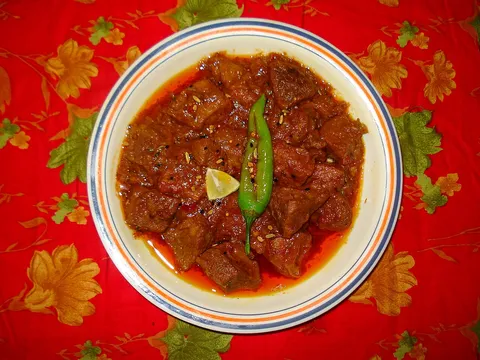
| Achar gosht | Seeds (required) | 1/2 tsp |
| Idli sambar batter | Seeds (optional) | 1/2 tsp |
| Masala dosa batter | Seeds (optional) | 1/2 tsp |
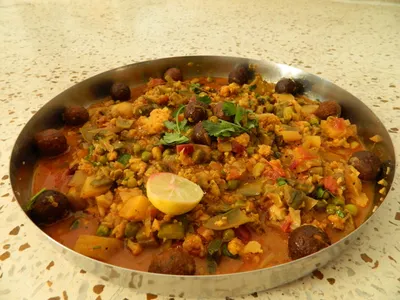
| Undhiyu | Fresh leaves | 1/2 cup |
Half a teaspoon is not a typo. Seeds are powerfully bitter, so one measured pinch does the job in a pot for four.
Methi seeds: tempering and batters
In a gosht cooked in pickling spices, as in achar gosht, the seeds sit alongside mustard seeds and others and add a slightly bitter, maple-like depth that stops the dish tasting only of heat and sour.
In idli and dosa batter, a small spoon of seeds is soaked with the rice and urad. Cooks commonly say it helps the batter ferment and gives a softer result, though that is tradition rather than something we can cite.
<!-- VERIFY: claim that methi seeds help batter ferment/soften is widely repeated cooking lore, not from a cited source. -->
When tempering whole seeds in oil, watch the colour: golden is fine, dark brown is bitter. Take them out the second they smell fragrant, usually 10 to 20 seconds in medium-hot oil, which is shorter than mustard seeds. <!-- VERIFY: 10-20 second tempering time is a common home-cook estimate, not sourced. --> Our mustard seed post covers the heat control; methi needs less time, not more.
Fresh methi: treat it like spinach with attitude
Fresh methi is sold in bunches with thick, woody stems. Pick the leaves and the tender tops, and discard the thick lower stems, which stay tough and bitter. Rinse in several changes of water; the gritty soil collects in the leaf joints.
Some cooks salt chopped methi and squeeze out the moisture to reduce bitterness. This is a technique rather than a fixed rule, and a splash of sugar, jaggery or a spoon of yogurt at the end also softens it.
Undhiyu, the Gujarati winter vegetable dish, uses half a cup of fresh methi leaves, and our undhiyu substitutes post discusses what to do abroad. For more leafy-green names, see spinach, mustard and fenugreek names.
Kasuri methi: the finishing touch
You will not find kasuri methi in our current recipe data, but it is one of the most commonly asked-about items for butter-based gravies such as butter chicken and kadhai paneer.
How to use it:
- Take 1 to 2 teaspoons for a pot for four.
- Rub it between your palms over the pot to crush it. The act of crushing releases the aroma.
- Stir it in during the last minute or two, with the heat low.
- Do not boil it for long; it turns bitter and loses its scent.
<!-- VERIFY: "1 to 2 teaspoons for four" is a typical home usage, not from our recipe data or a source. -->
To wake up a stale bag, warm it in a dry pan for 10 to 15 seconds, stirring, before crushing.
Can you swap them?
Rarely. Here is a short guide:
- Seeds for kasuri methi: No. Seeds are hard and bitter and will ruin a gravy.
- Kasuri methi for fresh leaves: Possible in a pinch for a saag, using a smaller amount (dried leaves are far more concentrated), but the texture will be different.
- Fresh leaves for kasuri methi: Not as a finisher; the water and bulk change the sauce.
- No methi at all: Skip it. A missing 1/2 teaspoon of seeds in a batter is not a disaster.
Fixing a bitter dish
If your curry came out bitter, the cause is almost always too many seeds, seeds scorched in oil, or fresh leaves that were not trimmed. A little sweetness (a pinch of sugar or jaggery), acidity (a squeeze of lemon) or dairy (cream or yogurt, added off the heat) can reduce it. More of the same spice will not help. For a broader look at fixing flat or harsh flavours, see the curry too salty or too sour guide.
Buying and storing
- Seeds: a small packet lasts years if you use half a teaspoon at a time; keep it sealed and dry.
- Kasuri methi: airtight, away from light, and smell it before use; the aroma goes before the colour does.
- Fresh methi: use within a couple of days; wrap in a damp cloth in the fridge.
A shopping list for three dishes
- A small packet of methi seeds, for achar gosht and for batters.
- A bag of kasuri methi, if you cook creamy gravies.
- One bunch of fresh methi, only if you plan to cook it that day.
You can check what you already own, and which dishes it opens up, in the Degchi pantry sandbox.
Related recipes

Related posts

The Desi Kitchen Grocery List for Life in the US or UK
Stocking a desi kitchen far from home is mostly about knowing which items are worth buying in bulk, which are worth buying fresh, and which have easy substitutes.
How Long Do Spices Last? Whole vs Ground
Old spices rarely turn dangerous, they just fade. Here is how long whole and ground spices keep their flavour, how to test a jar, and how to store them.
Curry Leaves: Fresh, Frozen or Dried? How to Use Them
Kadipatta is a dish's top note and the first thing to fade. Here is how many leaves our recipes use, when to add them, and how to keep a bunch from going limp.
Mustard Seeds (Rai): Why They Pop and When to Add Them
Mustard seeds that will not pop, or pop and turn bitter, wreck a tadka before it starts. Here is the heat, timing and amounts that work for South Indian dishes.