 Degchi
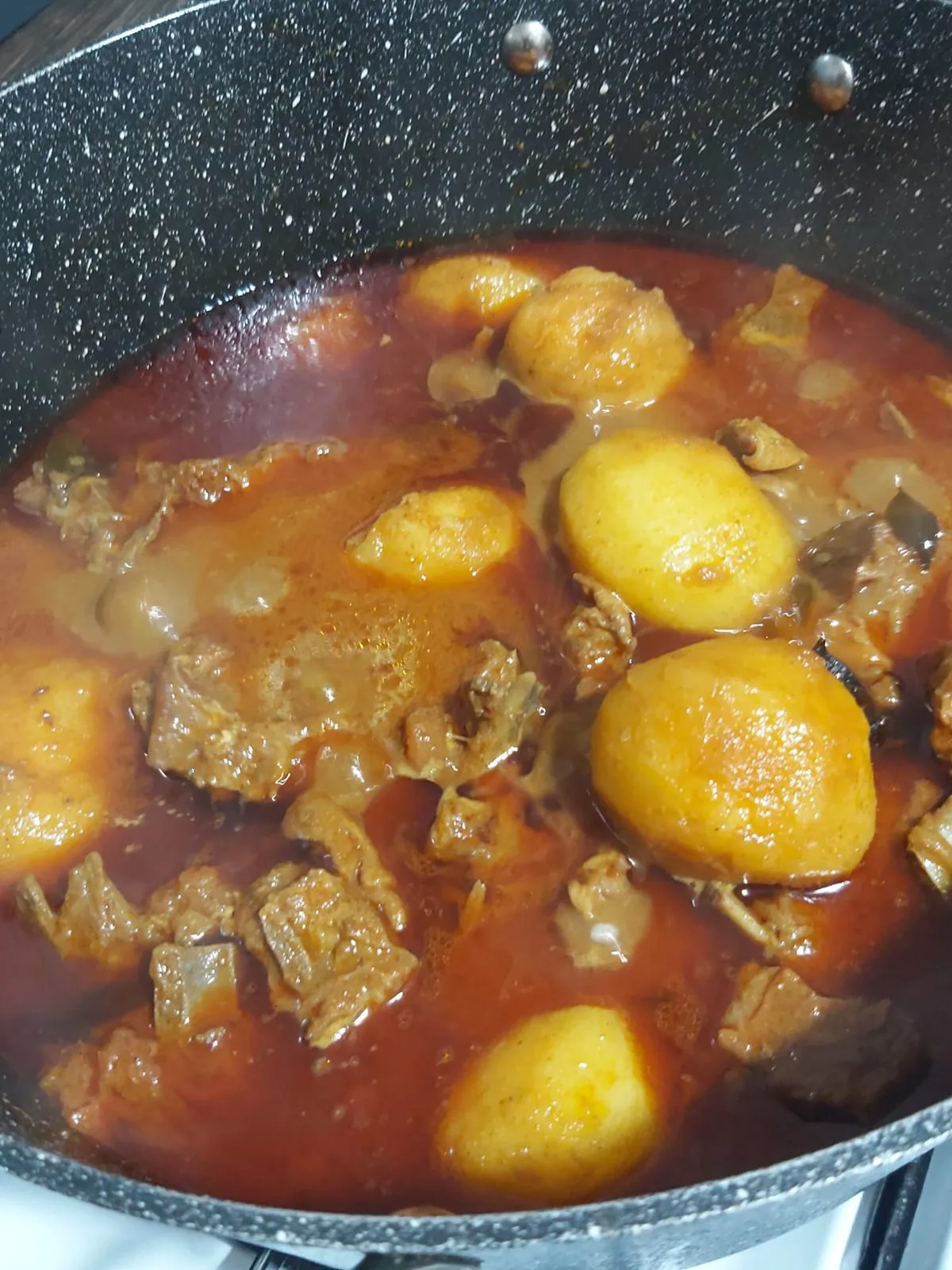
How to Fix a Salty Curry (and a Sour One)
You tasted the gravy at the end, and it hit you in the mouth. Salt, or sharp sourness, with the roti already warming. You want to know how to fix a salty curry without throwing out an hour of work, so here is the short answer and then the reasoning.
You cannot take salt out of a finished curry. You can only make it taste less salty, by adding more of everything else. That is the whole game.
Start here: the symptom-to-fix table
| What you taste | Likely cause | First fix |
|---|---|---|
| Too salty | Salt added early, then the gravy reduced | Add unsalted liquid and more base, then re-balance |
| Salty and thin after adding water | Over-diluted | Add bulk (rice, beans, vegetables) or reduce again |
| Sharp and sour | Underripe tomato, too much yogurt or lemon, short cooking | Cook longer, add fat, add a pinch of sugar |
| Sour and raw | Masala stopped before the oil separated | Return to the heat and cook down |
| Harsh and bitter | Burnt spices or garlic | Hard to rescue; mellow with cream or yogurt and accept it |
| Flat | Enough salt, not enough acid or heat | A squeeze of lemon, a pinch of garam masala, a fresh tadka |
For the last row, our guide to why daal tastes flat goes further.
Too salty: what works
Three fixes actually move the needle. They match the advice in a Tasting Table piece on oversalted soup, which we opened and read, and they work for curry too.
Dilute with unsalted liquid. Add hot water, or unsalted stock, a splash at a time, tasting after each. Curry gravy is thicker than soup, so the same dilution makes it thin, which means you will probably need to cook it down again afterwards. If the pot has a lot of gravy, you can also stir in a spoonful of plain yogurt or cream, depending on the dish.
Add bulk. More chickpeas, more potato, more rice on the plate. The salt is spread over more food. Our aloo gosht already holds 300 g of potato to 600 g of mutton, and one more potato in the pot softens the blow, as long as you have enough gravy to cook it in.
Add acid. A squeeze of lemon, a little vinegar or a chopped tomato masks saltiness and re-balances the flavour. It does not remove salt. It changes what your tongue notices.
The potato trick, honestly
Many cooks drop a raw potato in and fish it out later. It is a popular piece of kitchen lore. The Tasting Table article calls it a myth: potatoes soak up some liquid, but the reduction in saltiness is so small you hardly notice a difference, and you end up with a cooked potato. Leave the potato in only if you were going to eat it anyway.
A better version of the same idea is the potato you were already cooking. Our aloo gosht adds large potato chunks for 15 to 20 minutes near the end, until a fork slides in easily, and then dries the gravy down for about 3 minutes. If you are salting that dish, season after the potato goes in, not before.
Prevent it: salt in stages
Most oversalting happens because salt goes in early and the gravy reduces. A kadhi simmers for 30 minutes and a nihari for hours, so the pot ends up more concentrated than you planned. In our chana masala, the dried chickpeas are boiled with salt, and a cup of their cooking water goes into the gravy. If you then salt the masala as if the beans were unsalted, you double up.
Habits that help:
- Salt lightly at the start.
- Taste after the gravy has reduced, then adjust.
- Remember that stock, bouillon, salted butter, tinned chickpeas and tinned tomatoes can all carry salt.
- For a make-ahead onion-tomato base, keep it under-salted and season each dish when you use it.
Too sour: cook, then soften
Sourness in a curry usually comes from one of three places: tomatoes that were pale, yogurt, or lemon added too soon.
Our chicken karahi says outright that "watery or pale tomatoes give a thin gravy that takes much longer to dry down", and it recommends ripe, deep-red ones. When you are stuck with sour tomatoes, the fix is time. Cook uncovered over high heat until the tomato breaks down and oil rises at the edges. The tang mellows as the water goes.
After that, you have two levers.
- Fat. A few spoonfuls of cream, as in our chicken handi, which finishes with 60 ml (1/4 cup) of cream, or a knob of butter or ghee, rounds the edge.
- Sugar. A pinch is enough. Our butter chicken uses 1 teaspoon of sugar against 5 tomatoes, which gives you a sense of scale. Start with a quarter of a teaspoon, stir, wait, taste.
Check the stage before you reach for sugar. An Indian cookware guide on the bhuna technique warns that skipping the oil-separation point can leave a curry tasting raw, tangy or harsh. If the oil has not surfaced yet, keep cooking; sugar will only cover the rawness. Our companion post on oily masala and the bhuna stage explains how to read that point.
What does not help
- More spice. Heat does not cancel salt or sour; it adds a third problem.
- A big splash of cold water into thick gravy. You get thin, salty and pale.
- Cooking it longer when the problem is salt. Evaporation concentrates salt.
- Adding a second dose of the same masala. You will end up with a gravy that is salty, sour and over-spiced.
If you cooked the dinner already
Serve with something plain: boiled rice, plain roti, a bowl of unsalted yogurt or a cucumber raita. Spoon less gravy on each plate and let the sides carry the meal. Write a note in your phone about which stage the salt went in at, so you can adjust next time.
The pantry planner at degchi.matrixinn.net/#try can suggest a plain-side dish from what you have in the cupboard, which comes in handy on a night like this.
One-line summary for next time
Under-salt early, taste late, and keep a lemon, a little cream and a pinch of sugar within reach.
Recipes with potatoes Recipes with yogurt Recipes with chickpeas Recipes with tomatoes
Related recipes

Related posts
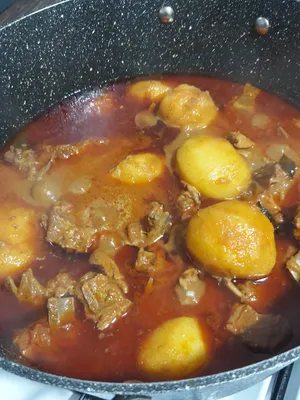
Why Is My Curry Too Sour? Tomato, Yogurt and Fixes
Sour curry usually traces back to one of four ingredients. Work out which one went in heavy, fix the pot tonight, and change one step next time.
Ghee vs Oil: What to Use for Everyday Desi Cooking
You do not have to pick a side. Learn which dishes shine with ghee, which are better with oil, and how to keep both without waste.
One Kitchen, Many Diets: Desi Meals for a Multigenerational Household
Grandparents may need less salt, children want mild food, and someone is vegetarian on Tuesdays. Here is how to cook one base and adapt it at the table.
Feeding a Desi Household With a Newborn: Easy Meals and Smart Help
In the first weeks with a baby, the goal is simple: everyone eats something warm. Freezer meals, a shared helper list and a few low-effort dinners make that possible.