 Degchi
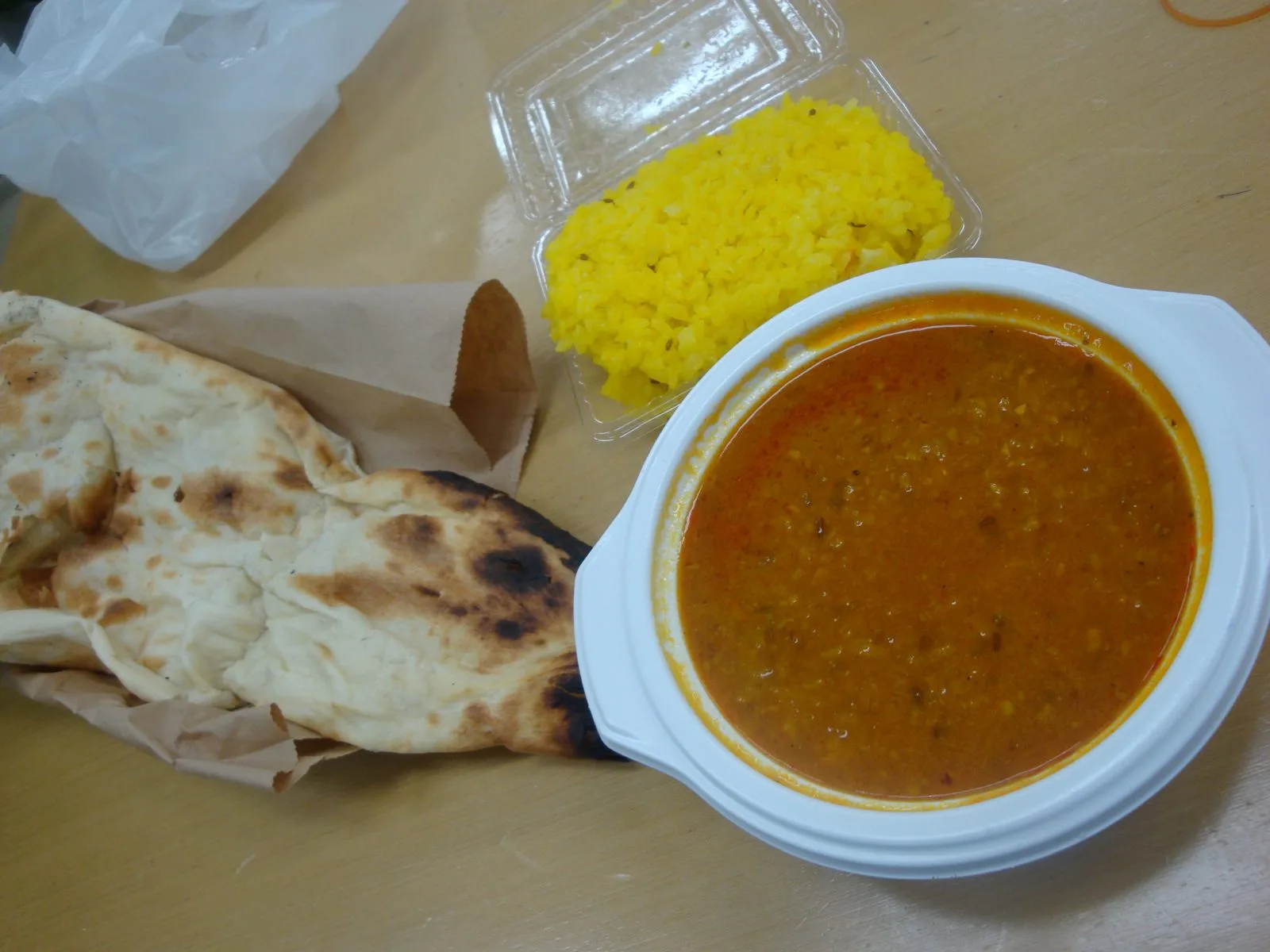
Photo: David Pursehouse / CC BY 4.0
Ghee vs Oil: What to Use for Everyday Desi Cooking
The question every desi kitchen argues about
Open ten South Asian kitchens and you will find ten different answers. Some families cook everything in ghee. Some use oil for the daily tarka and keep ghee for special dishes and rotis. This guide is about cooking behaviour, flavour and budget. It is not health advice, so if you have dietary concerns, talk to your doctor or dietitian.
What each one brings to the pot
Ghee is clarified butter: the milk solids have been cooked out, leaving golden fat with a nutty, rounded flavour. It adds richness you can taste, and many traditional dishes simply do not taste the same without it.
Vegetable or sunflower oil is neutral. It lets the spices speak and carries heat well for frying onions, searing meat and shallow-frying kebabs. It is usually the cheaper option per litre, and easier to find in large containers.
Mustard oil, coconut oil and olive oil have their own flavours. Mustard oil is central to many Bengali and Punjabi dishes, for example, but it is a strong, specific taste. We keep this article to everyday ghee against everyday oil.
Smoke point in plain language
Every fat starts to smoke at a certain temperature. Past that point it tastes bitter and can leave your kitchen smelling harsh. Ghee generally tolerates higher heat than plain butter because the milk solids are gone. Refined vegetable oils usually tolerate high heat as well. Exact smoke points vary by brand and refining, so check the label.
In practice, for home cooking: if the pan starts to smoke noticeably, turn the heat down and add the onions or spices straight away. Do not wait for a cloud of smoke. This applies to ghee and oil alike.
Where ghee earns its price
- Finishing a tarka (tadka). Hot ghee poured over daal with cumin and garlic is the point of the dish for many families.
- Rotis and parathas. A small brush of ghee gives flavour and softness.
- Pulao and biryani. A spoonful in the rice, as in chicken pulao, adds aroma.
- Sweets and halwa. Flavour is the whole thing here.
Where oil is the better choice
- Everyday sabzi. For aloo gobi or chana masala, oil does the job and keeps costs down.
- Deep or shallow frying. Oil is cheaper and more neutral for pakoras and samosas.
- Large-batch curries. When you are cooking for a crowd, oil stretches the budget.
- Anyone who wants a lighter flavour. Spices stand out more.
A realistic middle path
Many cooks do both: oil to fry the onion-tomato masala base, then a small spoonful of ghee at the end for aroma. This gives most of the flavour for a fraction of the ghee. A typical household split might be a litre of oil for daily cooking and a small tin of ghee, perhaps 250 to 500 g, that lasts weeks. These quantities are only household examples.
Quantities worth knowing
- 1 tablespoon of oil is about 15 ml, or 1 US tablespoon. In the UK, a tablespoon is also taken as 15 ml.- 1 tablespoon of ghee weighs roughly 12 to 14 g, because it is a little less dense than water. This is an approximation.
- A tarka for a family pot of daal usually needs only 1 to 2 tablespoons of fat. If a recipe seems greasy, you can often use less than it asks.
Cost, brands and buying
Ghee prices vary hugely. Imported tins and jars from South Asia, supermarket own-brand, and homemade ghee can differ by a factor of two or more per kilo. Compare per 100 g. Check the label: pure ghee should list one ingredient. Some products blend ghee with vegetable fat, often sold as vanaspati or "vegetable ghee". That is a different product with different flavour, so read before you buy. For oil, buy the biggest bottle you will finish in a few months. Oil that sits for a year in a warm kitchen can turn stale and smell like old crayons.
Storage in the UK and the Gulf
Store both away from direct light and heat. In the UK a cupboard is fine. In Gulf summers, a cupboard far from the stove is better, and many people refrigerate a part of their ghee to keep it fresh. Ghee is shelf-stable when kept clean and dry, but always use a clean dry spoon; water or crumbs can spoil it. Follow the storage and best-before instructions on your brand's label.
Discard any fat that smells sour, rancid or like paint. When in doubt, follow the date and storage notes on the packaging.
Make it easy to run out less often
Fats are the kind of ingredient you never notice until the pan is hot and the bottle is empty. If you track your pantry in Degchi, add oil and ghee as separate items and mark them low when they dip under a quarter. The app builds a shopping list for you, and you can see which dishes you can still cook today with what is on the shelf. It is a small habit that saves a mid-cooking dash to the shop.
Quick recap
- Ghee gives richness and aroma; oil is neutral and cheaper.
- Use oil for the base and a spoonful of ghee to finish if budget matters.
- Do not let either fat smoke heavily; turn the heat down.
- Read labels, compare price per 100 g and store away from heat.
There is no single right answer, only what suits your family, your budget and your recipe.
Related recipes

Related posts
Desi Ingredient Substitutes When You Cannot Find the Real Thing
Not every shop stocks curry leaves, kasuri methi or paneer. Here are substitutes that work, and which ingredients are worth a special trip.
Why Is My Curry Too Sour? Tomato, Yogurt and Fixes
Sour curry usually traces back to one of four ingredients. Work out which one went in heavy, fix the pot tonight, and change one step next time.
Cooking Desi Recipes With No Measurements: How to Turn Family Methods Into Numbers
Family recipes often live in someone's hands, not on paper. Here is a simple way to capture them, convert them to measurements, and scale them up or down.
How to Fix a Salty Curry (and a Sour One)
Dilute, add bulk, add acid or fat. The potato trick barely works. Here is a symptom-to-fix table for salty, sour and harsh curries, with real recipe examples.