 Degchi
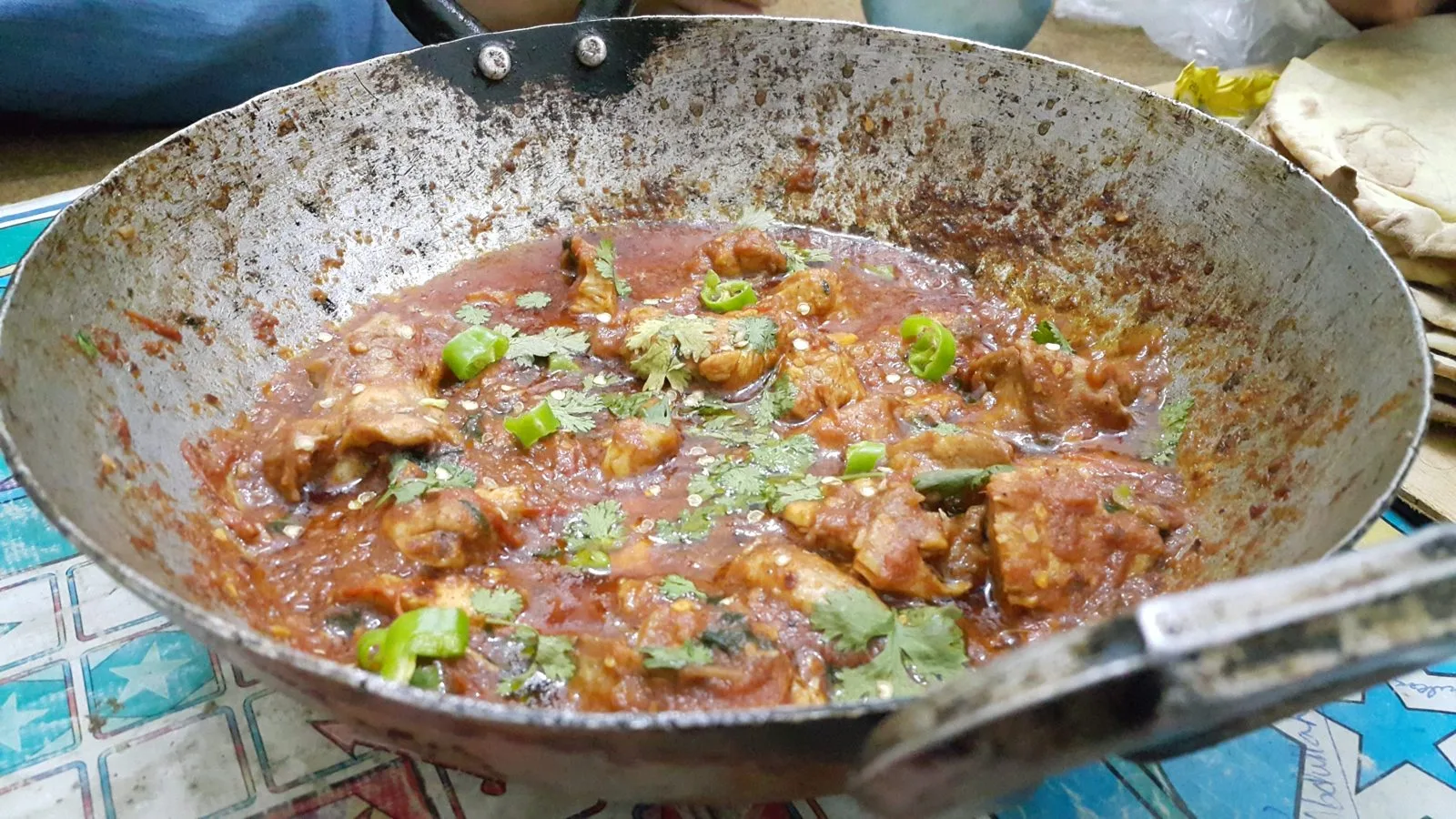
Photo: Kskhh / CC BY-SA 4.0
Cooking Desi Recipes With No Measurements: How to Turn Family Methods Into Numbers
"Add a little of this until it looks right"
If you grew up watching a parent or grandparent cook, you know the style. A handful of onions, a spoon of this, enough oil, cook until it smells ready. The food is wonderful, but when you try to repeat it abroad, in a different kitchen, with different pans and ingredients, the result can differ. And when you want to cook for four instead of ten, or share a recipe with a cousin, "a handful" does not translate.
The good news is that you can turn these methods into numbers without losing the soul of the dish. It takes one or two cooking sessions with a scale and a notebook.
Step 1: Cook it once with them, and measure as you go
The best time to capture a recipe is while someone who knows it is cooking. Bring measuring spoons, a cup, and a kitchen scale. Before each addition, ask them to put the ingredient in the measuring tool first, then into the pot.
You are not changing how they cook. You are just pausing for a few seconds to see how much a handful really is. Write down:
- Each ingredient and its amount
- Timing for each stage, such as "onions cooked 12 minutes until deep golden"
- Heat level, for example "medium-high, then reduced to low once the lid is on"
- Sensory cues: colour, smell, sound, and texture
- Pot or pan size and type
Sensory cues matter. "Oil separates at the edges" tells you more than "cook 20 minutes."
Step 2: Weigh the main ingredients
For the main items, such as meat, lentils, rice, and vegetables, record weights, not just counts. "Two onions" varies enormously with size. If an onion weighs about 5 oz (150 g), say so. Weight also makes metric and US conversions easy.
Some handy conversions (approximate):
| Item | Approximate amount |
|---|---|
| 1 cup rice, uncooked | about 7 oz (200 g) |
| 1 cup split lentils, uncooked | about 7 oz (200 g) |
| 1 tablespoon ground spice | about 0.25 oz (7 g) |
| 1 teaspoon salt | about 0.2 oz (6 g) |
| 1 cup chopped onion | about 5 oz (150 g) |
Treat them as starting points, since density varies by brand and grind.
Step 3: Record the ratios that matter
A few ratios are the backbone of many desi dishes. Knowing them lets you scale without a new recipe.
- Rice to water: for many long-grain rices, about 1 cup rice to 1.5 cups water on the stove. Basmati may need a little less or more depending on soaking and the brand.
- Lentils to water: often about 1 cup lentils to 3 cups water, depending on the type and how thick you like it.
- Onion to meat: in many curries, about equal weight of onion to meat, or somewhat less.
- Oil to base: enough that the masala can fry and the oil can rise at the edges, which varies with the dish.
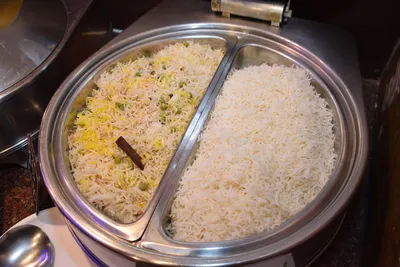
Write the ratio, then the example. "Rice 1 : water 1.5. Example, 2 cups rice, 3 cups water." To see finished recipes written this way, open Chicken Pulao or Masoor Daal, which list metric and US amounts side by side, and try the servings scaler on Aloo Gosht, a typical meat curry to practise scaling on.
Step 4: Scale carefully
Doubling a recipe does not always mean doubling everything.
Scale linearly: main ingredients such as meat, vegetables, lentils, and rice.
Scale less than linearly: salt, strong spices, chilli, and cooking liquid. Start with about 75 percent of the doubled amount, taste, and adjust.
Watch the pot: a bigger batch needs a bigger pot, and cooking times can change. Meat in a crowded pan steams instead of browning, so brown it in batches.
Check doneness by temperature: poultry to 165°F (74°C) and ground meat to 160°F (71°C), per USDA guidance, regardless of how big the batch is.
Scaling down works similarly. For a small portion, use a smaller pan so spices do not burn and liquid does not evaporate too fast.
Step 5: Test and adjust once
Cook the recipe again from your notes, ideally with the original cook tasting it. Compare to memory. If it is too salty, too sour, or missing something, adjust the note, not just the dish. Two rounds is usually enough to get a reliable recipe.
Step 6: Write it down in a usable format
A good recipe card has:
- A title and who it comes from
- Servings the recipe makes
- Ingredients with US and metric amounts
- Numbered steps with times and sensory cues
- Tips, substitutions, and storage notes
Add a photo of the finished dish if possible, and include the original cook's name. It makes the recipe a family keepsake.
Storage notes to include
For each recipe, record how long it keeps. Many cooked dishes can be refrigerated for three to four days, once cooled and refrigerated within two hours (one hour above 90°F or 32°C). Reheat leftovers to 165°F (74°C). For freezing, 0°F (-18°C) is the standard, and thawing in the fridge is safest.
Common pitfalls
- Different ingredients abroad. Chilli strength, tomato sweetness, and ghee or oil brands vary. Adjust to taste.
- Different pans. Thin pans burn quicker, and heavy pans hold heat. Adjust timing.
- Units mixing. Be consistent. Write whether a spoon is a teaspoon or a tablespoon.
- Skipping rest time. Some dishes taste better after resting, which the original cook may do without mentioning.
Where Degchi can help
Degchi's recipe pages show amounts in metric and US units and let you change servings, which does the scaling arithmetic for you. You can also add your own recipes, quick or full, so a family method can live in the app with the steps. A notebook and a kitchen scale remain the most important tools.
Recap
- Measure while someone cooks, and write sensory cues.
- Weigh the main ingredients and record ratios.
- Scale salt and spice less than linearly, and taste.
- Use a thermometer for safe temperatures.
- Write the recipe down with names and storage notes.
Related recipes

Related posts
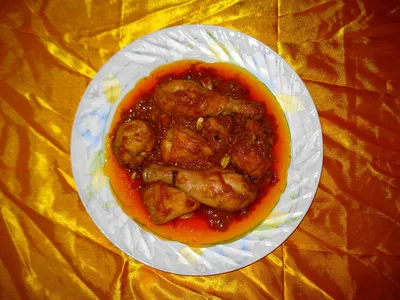
Scaling Chicken Qorma for 12 People Without Ruining It
Our qorma serves 4 from 800 g of chicken. Here is what to triple, what not to, and how to manage the pot, onions and yogurt when you cook for 12.
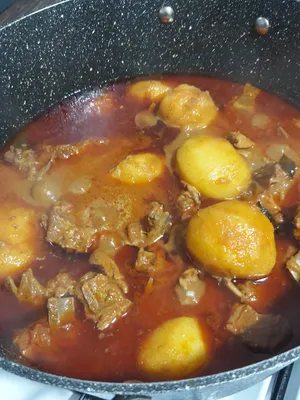
How to Fix a Salty Curry (and a Sour One)
Dilute, add bulk, add acid or fat. The potato trick barely works. Here is a symptom-to-fix table for salty, sour and harsh curries, with real recipe examples.
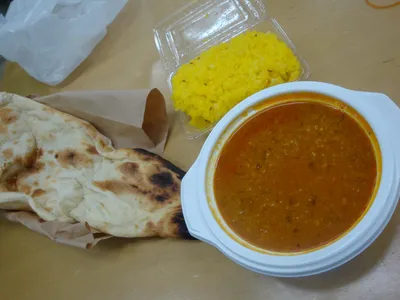
Katori, Glass and Handful: Turning Desi Home Measures Into Cups and Grams
Family recipes are written in katoris, glasses and handfuls. Here is how to measure your own and turn them into numbers that work in any kitchen.
Desi Ingredient Substitutes When You Cannot Find the Real Thing
Not every shop stocks curry leaves, kasuri methi or paneer. Here are substitutes that work, and which ingredients are worth a special trip.