 Degchi
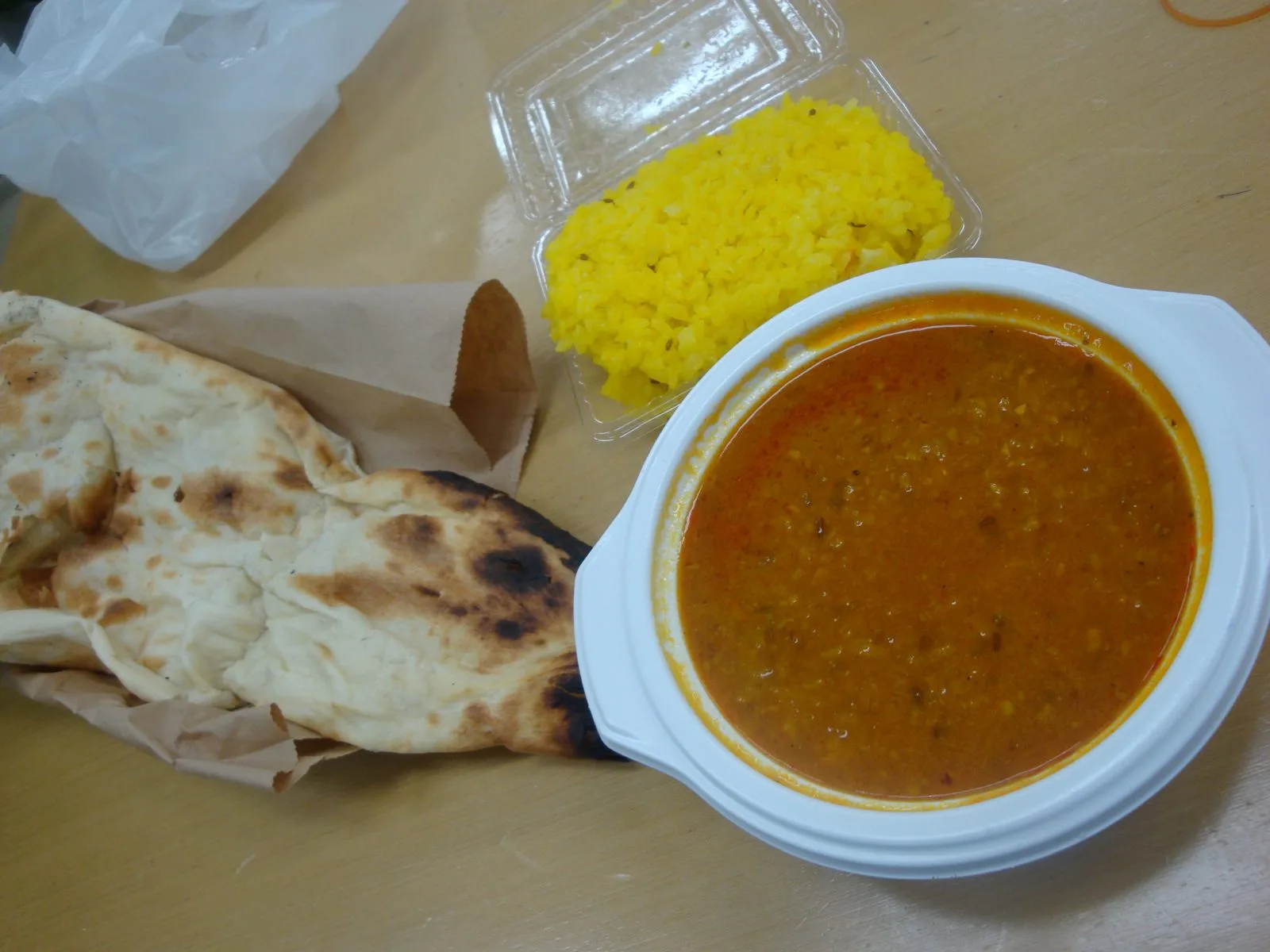
Photo: David Pursehouse / CC BY 4.0
Katori, Glass and Handful: Turning Desi Home Measures Into Cups and Grams
The recipe that says "one glass of rice"
Ask a parent or grandparent for a recipe and the answer often comes in household units. One katori of daal. Two glasses of water. A mutthi of salt, though nobody has ever measured a mutthi. These units are not sloppy. They work because the cook is using the same bowl and the same glass every day, so the proportions stay right even though the absolute amounts are never written down.
The trouble starts when you move. A new kitchen has different bowls, a different stove and sometimes a different kind of rice. The recipe is still in your head or on a voice note, but the units no longer line up. This guide shows a simple way to turn those household units into numbers you can trust.
Why you cannot just look up "one katori"
Katoris are not standard. A small steel katori from one family can hold noticeably less than a deep bowl from another. A "glass" in one home is a tall tumbler, in another a small tea glass. Any chart that claims one katori equals a fixed number of millilitres is guessing.
So do not copy a number from the internet. Calibrate your own. It takes about five minutes and you only do it once.
Calibrate your katori and glass
You need a kitchen scale or a measuring jug, plus the bowl or glass that your recipe actually uses.
- Fill the katori level to the rim with water and pour it into a measuring jug. Write down the millilitres.
- Fill it level with dry rice and weigh it. Write down the grams.
- Do the same with red lentils and, if you like, with flour.
- Repeat for your drinking glass, since "glass of water" is the most common unit for liquids.
Keep the numbers in a note on your phone. For water, millilitres and grams are essentially the same, so one measurement covers both. Dry goods weigh differently from water, which is why you weigh each one separately. Rice, lentils and flour all have different densities, so the same bowl holds a different weight of each.
Katoris differ a lot from one household to the next, so there is no standard size to quote. Your own measured number matters more than any average.
Handfuls, pinches and "to taste"
Some units are fuzzier on purpose.
A pinch is what you can hold between thumb and one finger. For salt it is a small fraction of a teaspoon. For a strong spice such as asafoetida, it is exactly the right amount for a family-sized pot of daal.
A mutthi (fistful) varies a great deal by hand. If the recipe uses a mutthi of rice per person, weigh a few of your own fistfuls and take the average. Your hand will be consistent with itself, which is all the recipe needs.
"Salt to taste" is a real instruction, not a cop-out. Start with a small amount, taste near the end and adjust. It is easier to add than to remove.
Turn a family recipe into a written one
Here is a simple method. Cook the dish once the way you always do, but this time use your calibrated katori and glass and write down everything.
- Count the katoris of each ingredient as you add them.
- Note how many people the pot fed and whether there were leftovers.
- Write down the water in glasses, then convert using your measured glass volume.
- Time the main stages: how long the onions browned, how long the daal simmered.
Do it twice. If both rounds taste right, you have a recipe you can hand to someone else. If you want more help with this process, our guide on cooking with no measurements walks through scaling for a different number of people.
A worked example: daal and rice
Say the family method is "one katori of daal, three glasses of water, one katori of rice per person, two glasses of water for the rice." After calibration you weigh your own katori of dry red lentils and measure your own glass, and you write the results as grams and millilitres. Your written recipe then becomes:
- Your measured weight of lentils to three glasses' worth of water, in millilitres, for the daal.
- One katori of rice per person for the rice, with the water measured in your own glass.
These numbers are an example of the method, not a recipe to follow. Use your own measurements, and compare against the amounts on a card such as our daal recipe or khichdi, which list metric and US amounts side by side.
Converting for a US kitchen
If you cook in the US you will probably want cups. Use these standard conversions, since they are the same for everyone:
- 1 US cup is about 240 ml.
- 1 US tablespoon is about 15 ml.
- 1 US teaspoon is about 5 ml.
For dry goods, a cup of rice weighs much less than a cup of flour, so weigh whenever you can. If a recipe gives grams and you only own cups, our conversion guide lists common ingredients so you are not working it out each time. UK and Australian cooks should note that cup and tablespoon sizes differ slightly between countries, which is another reason grams are the safest unit.
Check the pot, not just the measure
Measurements get you close. They do not replace judgement. Rice varies by age and brand, lentils vary in how long they take to soften, and a stove in a new country will run hotter or cooler than the old one. Use the numbers as the starting point and trust your eyes and nose for the finish.
A good habit is to note small corrections the first time you cook somewhere new. "Needed five more minutes." "Used a little less water." Those notes turn into your real recipe far faster than any chart.
Keeping the notes where you will find them
Write the calibrated numbers somewhere you will actually look: a pinned phone note, a sticky note inside a cupboard door, or the notes field on a recipe you save. In Degchi, recipes show metric and US amounts and a servings scaler, so once your family recipe is written down in numbers, scaling it up for guests is a tap rather than a mental sum.
Quick checklist
- Measure your own katori and glass in millilitres and in grams of rice, lentils and flour.
- Write the numbers down once and keep them with you.
- Treat pinches and fistfuls as personal units and weigh a few to find your average.
- Cook a family recipe twice with the new units before you trust the written version.
- Use grams where you can, cups where you must.
The recipe was never wrong. It was just written in a language only one kitchen spoke. A few minutes with a scale means the next person can cook it too.
Related recipes
Related posts
Cooking Desi Food for One: Small Portions Without the Waste
Most desi recipes assume a crowd. Cooking for one is easier when you cook a little extra on purpose, freeze it in single portions, and keep a few fast fallback dinners.
Why Is My Curry Too Sour? Tomato, Yogurt and Fixes
Sour curry usually traces back to one of four ingredients. Work out which one went in heavy, fix the pot tonight, and change one step next time.
South Asian Recipes in US Cups and Ounces: A Practical Conversion Guide
Recipes from home use grams, katoris and "ek chutki". Here is how we convert them to US cups and spoons, and what to substitute when the ingredient is not on the shelf.
Ghee vs Oil: What to Use for Everyday Desi Cooking
You do not have to pick a side. Learn which dishes shine with ghee, which are better with oil, and how to keep both without waste.