 Degchi
Cooking Desi Food for One: Small Portions Without the Waste
The family-size problem
If you grew up around a big pot on the stove, cooking for one can feel strange. Recipes list four to six servings. Ingredients come in large bags. A single portion of curry seems barely worth the effort, so many people living alone, students, and professionals far from home end up ordering food more often than they want to.
You do not have to give up home cooking. You just need a few habits designed for one person.
Scale down, but not by too much
Halving a recipe is easy. Dividing it by four is where mistakes happen, because spice and salt do not scale perfectly and tiny amounts burn easily. A better approach is to cook for two portions and treat the second as tomorrow's lunch or a freezer meal. Most dishes taste fine reheated, and you only wash one pot.
Every recipe page in Degchi has a servings scaler, so you can set the number of servings to two and see the adjusted ingredient amounts, including in either metric or US units. You can then round sensibly. If the scaled amount says 0.3 teaspoons, use a pinch.
Dishes that suit one person
Some dishes naturally fit small households.
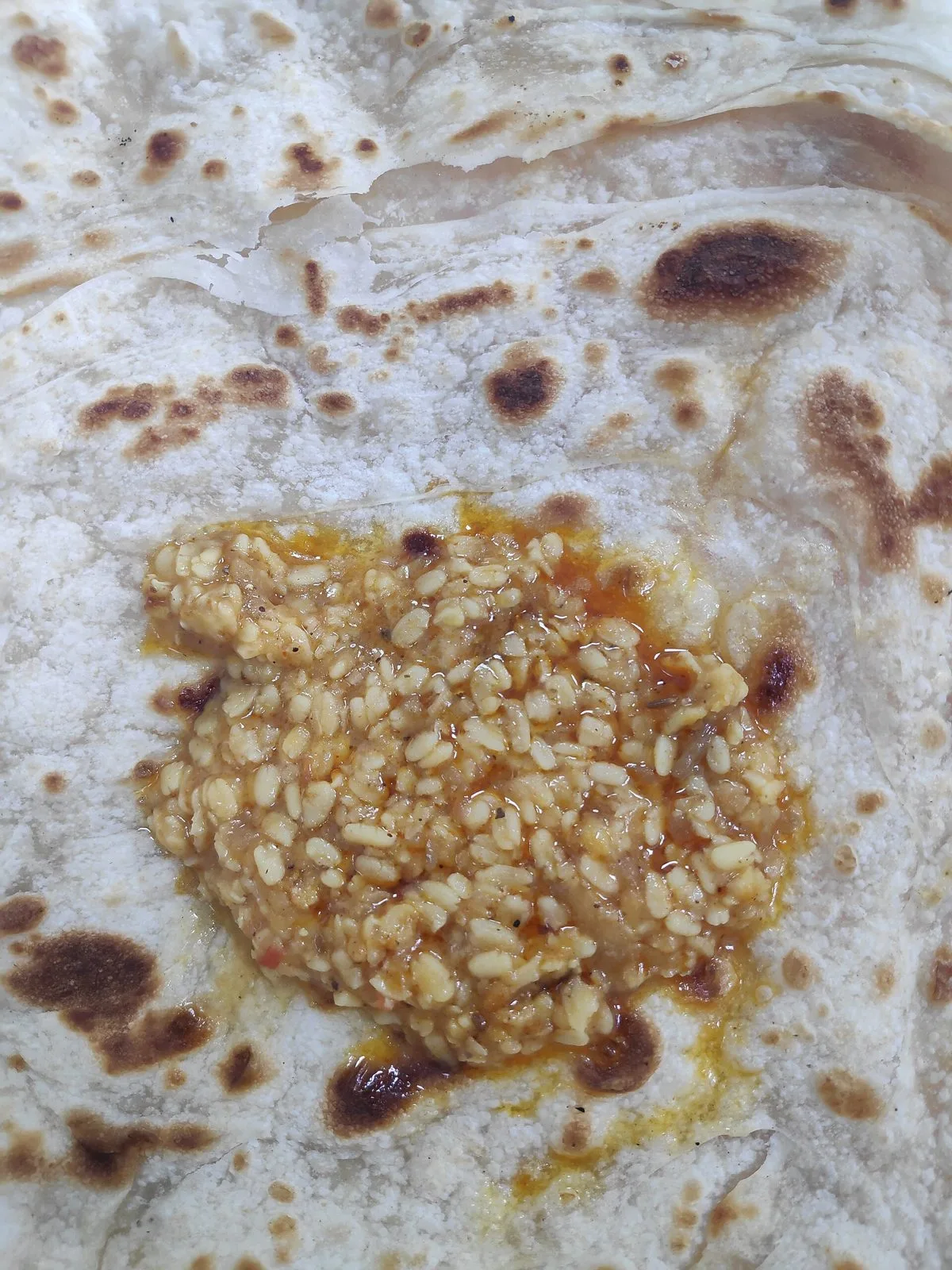
- Lentil soups and daals. A small pot of moong daal takes little active time and keeps for a few days.
- One-pot rice and lentils. Khichdi needs a single pot and almost no skill.
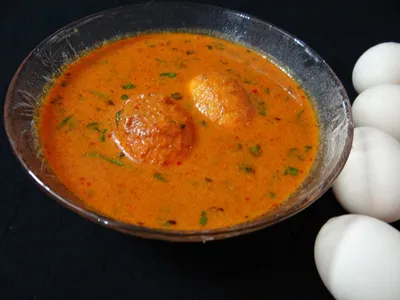
- Egg dishes. Omelette, egg curry and egg fried rice are quick and easy to scale to one or two eggs.
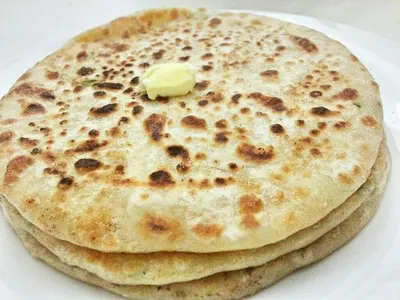
- Flatbreads. If you have atta, aloo paratha is a filling dinner. Make extra dough and freeze balls for another day.
Dishes that suit a crowd, such as big-pot biryani or slow-cooked meat, are worth saving for weekends or for when you have guests.
The freezer is your friend
For one person, freezing is the single most useful technique. Cook a batch, portion it into containers or freezer bags, and label them with the date.
Freeze well:
- Cooked lentils and bean curries
- Many gravy-based curries without potatoes (potatoes can turn grainy)
- Keema and meat gravies
- Cooked rice, flattened in a bag so it cools and thaws quickly
- Raw paratha dough balls or rolled parathas separated with parchment
Freeze less well:
- Fried items such as pakoras, which go soft
- Salads, raita and fresh chutneys
- Dishes with a lot of cream or yogurt, which may separate
Cool food quickly before freezing, and thaw it in the fridge overnight. Reheat until it is steaming hot all the way through. If you are unsure whether something has been stored safely, do not take a risk with it.
Shop smaller, shop smarter
A single person does not need a 10 lb bag of every grain. Buy smaller packs of fresh ingredients and larger packs of dry goods that keep for a long time, such as rice, lentils and spices. For fresh herbs and vegetables, choose ones you will use in several dishes. For example, one bunch of coriander can finish a daal, an omelette and a chutney in the same week.
Ginger, garlic and green chilies freeze well, so you can keep them in small portions and take out only what you need. Half an onion left over? Chop it and freeze it for the next tadka.
A starter pantry for one
You do not need fifty spices. A small, focused set is enough to cook most simple meals.
- Cumin seeds, turmeric, red chili powder, coriander powder, garam masala
- Rice, red or yellow lentils, atta
- Eggs, onions, tomatoes, garlic, ginger
- Oil or ghee, salt
- Frozen peas or mixed vegetables
With those, you can make a plain daal, khichdi, an egg curry, a vegetable stir-fry and parathas. Add things only when a recipe calls for them. Degchi can track which items you have, are low on, or have run out of, and suggest dishes you can make with what is in your kitchen. This is handy when you are tired and just want to know what is possible.
A sample week for one
| Day | Dinner | Notes |
|---|---|---|
| Sunday | Cook a pot of moong daal and rice | Two portions to the fridge, one to freezer |
| Monday | Daal and rice | Leftover |
| Tuesday | Omelette with a paratha | Quick, uses fresh eggs |
| Wednesday | Khichdi | One pot, minimal cleanup |
| Thursday | Frozen portion from last week | No cooking |
| Friday | Egg curry with rice | Cook two eggs, save one |
| Saturday | Eat out or try something new | Reward yourself |
This is only an example. The pattern matters more than the dishes: cook once, eat twice, and keep one night as a freezer or fallback dinner.
Make it feel like a meal
When you eat alone, it is tempting to eat standing up or in front of a screen. Try to make the meal feel deliberate. Put it on a proper plate, add a squeeze of lemon or a side of sliced cucumber and onion, and sit down. It sounds small but it changes how satisfying the food is.
When you do not feel like cooking
Everyone has those days. Keep a "minimum effort" list of three things you can make in about ten minutes, and tape it inside a cupboard. Scrambled eggs on toast, instant noodles with an egg and some frozen vegetables, or a bowl of yogurt rice all count. Cooking for one does not need to be impressive. It needs to be sustainable, and a simple dinner you can actually face beats an elaborate plan you abandon.
The cooking-for-one short list
- Cook for two, eat for one, freeze the rest.
- Choose one-pot and egg-based dishes.
- Keep a small, focused spice and pantry set.
- Portion and label freezer meals.
- Save big recipes for guests.
- Keep a ten-minute fallback list.
Cooking for one is a skill like any other. A few weeks in, you will know exactly how much rice you eat and which dishes you actually look forward to.
Recipes with eggs Recipes with yogurt Recipes with rice Recipes with lentils
Related recipes
Related posts
15 Pakistani Dinner Ideas for Busy Weeknights
Fifteen Pakistani dinners that actually fit into a weeknight, grouped by how long they really take — from 20-minute eggs to slow, mostly-unattended curries.
How to Fix a Salty Curry (and a Sour One)
Dilute, add bulk, add acid or fat. The potato trick barely works. Here is a symptom-to-fix table for salty, sour and harsh curries, with real recipe examples.
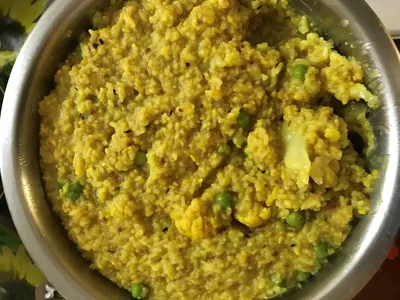
Cooking for One: A Five-Day Desi Plan With Leftovers
Most desi recipes are written for four people. Here is how one person can cook two pots on Sunday and eat five different dinners, without eating the same plate five times.
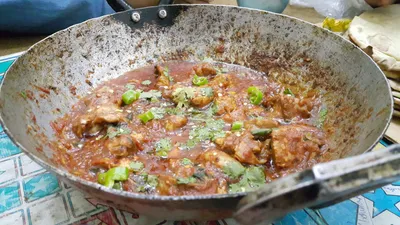
Cooking Desi Recipes With No Measurements: How to Turn Family Methods Into Numbers
Family recipes often live in someone's hands, not on paper. Here is a simple way to capture them, convert them to measurements, and scale them up or down.