 Degchi
Desi Recipe Conversions: Cups, Spoons, Grams and Ounces Explained
Why conversions cause so much trouble
If you have ever tried to cook from a South Asian recipe in a US or UK kitchen, you know the problem. One recipe is in grams, another in cups, a third uses a katori or a pao, and your grandmother's version says "enough oil." Each system is fine on its own. The trouble starts when you mix them.
This guide gives you a small set of reliable conversions and some rules of thumb. It is not a laboratory table. Cooking at home is forgiving, and your goal is a dish that tastes the way you want, not an exact match to a number.
The basics you can trust
These are standard figures that most references agree on.
| Measure | Equals |
|---|---|
| 1 teaspoon (US) | about 5 ml |
| 1 tablespoon (US) | about 15 ml (3 teaspoons) |
| 1 US cup | about 240 ml (16 tablespoons) |
| 1 ounce (oz) | about 28 g |
| 1 pound (lb) | about 454 g (16 oz) |
| 1 kg | about 2.2 lb |
Note that a UK or metric cup is sometimes treated as 250 ml. The difference is small, and it rarely changes a curry, though it can matter for baking and sweets.
Weight and volume are not the same
A cup is a measure of space, not of weight. One cup of rice, one cup of flour and one cup of lentils all weigh different amounts. That is why many serious recipe writers prefer grams, and it is why a recipe that says "1 cup" can come out differently for two cooks.
If your recipe gives grams and you only have cups, use a conversion for that specific ingredient. If you cook often from metric recipes, a small kitchen scale is one of the cheapest and most useful tools you can buy.
Because ingredient weights vary by brand and how tightly things are packed, treat cup conversions for dry goods as approximate. If something looks too dry or too wet, adjust by eye. Rice and lentils are forgiving. Flour for rotis and sweets is less forgiving, so add it gradually.
Desi household measures
Many family recipes use everyday containers instead of standard units.
- Katori. A small bowl, usually somewhere around 150 to 200 ml depending on the household. It is roughly three quarters of a US cup. Because katoris vary, use the same katori for the whole recipe so your ratios stay consistent. That is the real trick: ratios matter more than the unit.
- Chamach. A spoon, which could be a teaspoon or a serving spoon. Ask the person who wrote the recipe, or check the amount against the dish. A "chamach of salt" is usually a teaspoon, not a tablespoon.
- Pao. A quarter of a seer, which in common kitchen usage is about 250 g. It is a handy shorthand for meat and vegetables.
- Seer. About a kilogram in many households, though regional definitions differ. Treat it as roughly 1 kg and verify against the recipe.
- Mutthi. A handful. It is meant to be imprecise. Think about a quarter cup, then taste.
If a family recipe uses a katori, fill it once with water and pour that into a measuring cup. Write the number on the recipe card. You will never have to guess again.
Rice, lentils and water
Rice and lentil ratios are the most common conversion headaches because the water amount depends on the method.
A few points that hold up:
- Rinse rice and lentils before cooking in most recipes. Rinsing changes the final texture, so do not skip it if the recipe says to do it.
- Use the same cup or katori for the grain and the water, and the ratio will hold even if the container size is different.
- Different rice types absorb different amounts of water. Basmati, long-grain and short-grain rice are not interchangeable one for one.
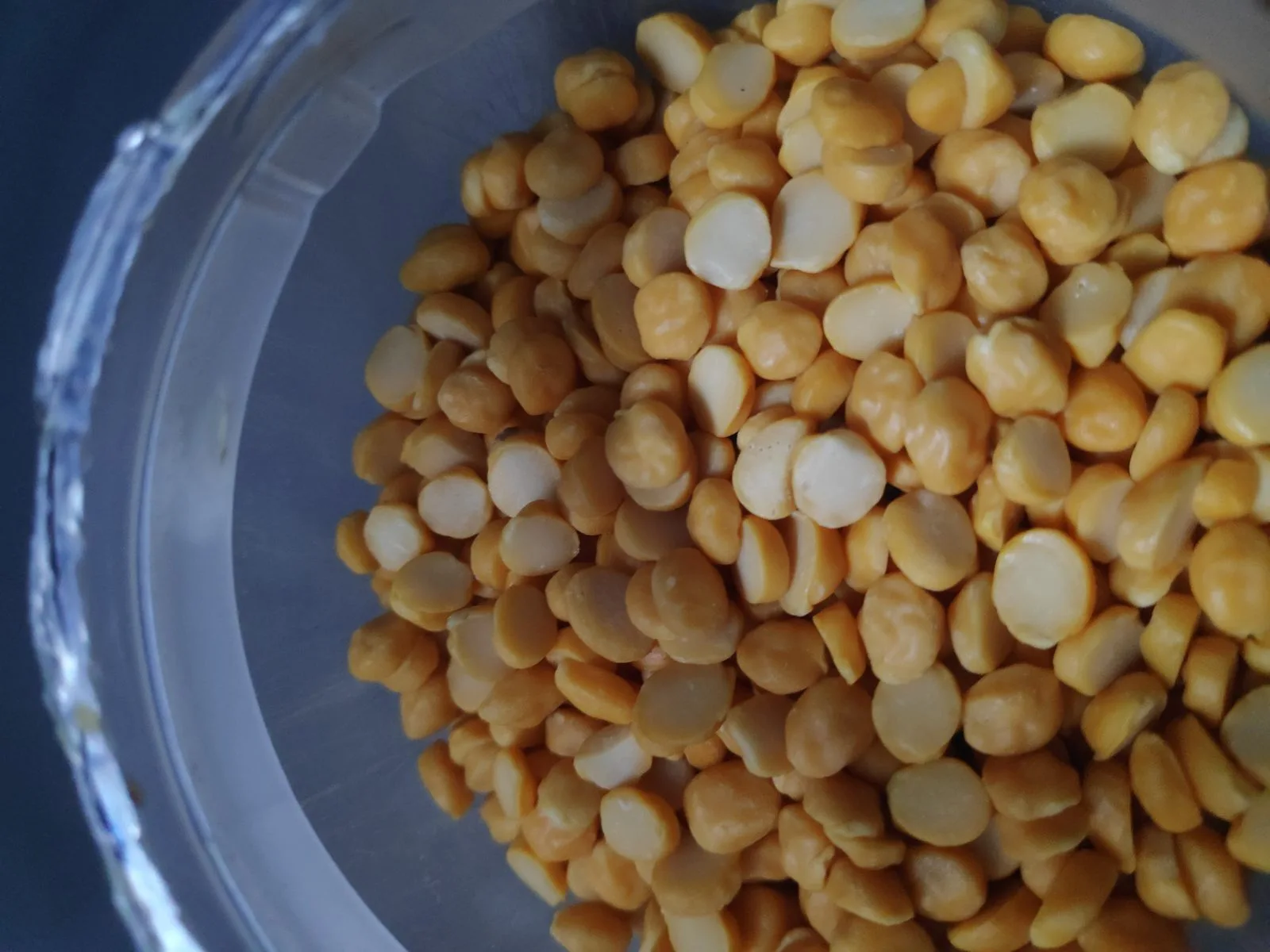
- Lentils vary by type and age, so chana daal takes longer and needs more liquid than red lentils. If you are making a plain daal, cook until soft, adding hot water as needed.
Start with the recipe's ratio, then adjust over time. After two or three attempts you will know what your pot, your stove and your rice need.
Spices: where mistakes hurt most
Salt and chili are the two places where bad conversions are most obvious. A few safeguards:
- Start with the smaller amount of any spice and adjust at the end.
- Remember that teaspoons of ground spice and whole spice are not the same weight. A teaspoon of ground cumin is stronger than a teaspoon of whole seeds.
- Chili powders differ greatly in heat. If your chili powder is very hot, use less than the recipe says.
- Salt differs by type. Fine table salt is saltier by volume than coarse kosher salt. If you switch types, use less of the fine salt.
Fat and sweets
Oil and ghee are easy to convert by volume, but a recipe that says "enough oil" is a guess. For a simple curry, two to four tablespoons of oil is common. For sweets like kheer or halwa, sugar and milk ratios matter more, so measure carefully the first time and note any changes.
For desserts, if you can, weigh the ingredients in grams. A few grams of sugar will not ruin a curry, but it can affect a sweet that depends on setting or syrup consistency.
Temperature and time
Many South Asian recipes say "medium flame," which does not translate neatly to every cooktop. Electric and induction stoves behave differently from gas.
If your recipe gives an oven temperature, check whether it is in Celsius or Fahrenheit. A common conversion is 180 C equals about 350 F, and 200 C equals about 400 F. Many ovens are slightly off, so an oven thermometer is a useful, cheap check.
Meat temperatures matter for safety. The USDA recommends cooking poultry to a safe internal temperature of 165 F (74 C). A food thermometer is the only reliable way to check, so use one rather than judging by color.
Scaling a recipe up or down
Scaling is another form of conversion. Halving or doubling usually works, but there are limits.
- Spices and salt do not always scale in a straight line. Start with a bit less than the exact multiple and taste.
- Cooking times may change, because a bigger pot cooks differently.
- Pans matter. A shallow wide pan evaporates water faster than a deep narrow one.
Degchi's recipe pages include a servings scaler and let you switch between metric and US amounts, so you can see adjusted quantities in the units you prefer. You can then round to a sensible number, such as a pinch instead of 0.3 teaspoon.
A simple method for any family recipe
If you want to convert a family recipe once and keep it forever, try this.
- Cook it the usual way, but measure everything as you go with a measuring cup and spoons.
- Write each amount down, even the "handfuls."
- Taste at the end and note what you would change.
- Cook it again with your written amounts and adjust.
- Save the final version somewhere you will find it, on paper or in your phone.
After two attempts, you will have a recipe in standard units that someone else can follow, and your family recipe will survive for the next generation.
Conversions to remember
- Learn the few basics: 1 tsp is about 5 ml, 1 tbsp about 15 ml, 1 cup about 240 ml.
- Use grams for baking and sweets when you can.
- Measure your katori once and write it down.
- Start with less salt and chili, then adjust.
- Use a food thermometer for meat and poultry.
- Write down your own version after you cook it.
Conversions are not about perfection. They are about getting your favorite dishes onto the page so anyone in the family can cook them.
Recipes with milk Recipes with ghee Recipes with flour
Related recipes
Related posts
Katori, Glass and Handful: Turning Desi Home Measures Into Cups and Grams
Family recipes are written in katoris, glasses and handfuls. Here is how to measure your own and turn them into numbers that work in any kitchen.
Cooking Desi Recipes With No Measurements: How to Turn Family Methods Into Numbers
Family recipes often live in someone's hands, not on paper. Here is a simple way to capture them, convert them to measurements, and scale them up or down.
Desi Weeknight Dinners That Take Under 45 Minutes
Not every desi dinner is a three-hour affair. Here are real dishes with real times, a week of them, and some habits that make weeknights easier.
South Asian Recipes in US Cups and Ounces: A Practical Conversion Guide
Recipes from home use grams, katoris and "ek chutki". Here is how we convert them to US cups and spoons, and what to substitute when the ingredient is not on the shelf.