 Degchi
Why Is My Curry Too Sour? Tomato, Yogurt and Fixes
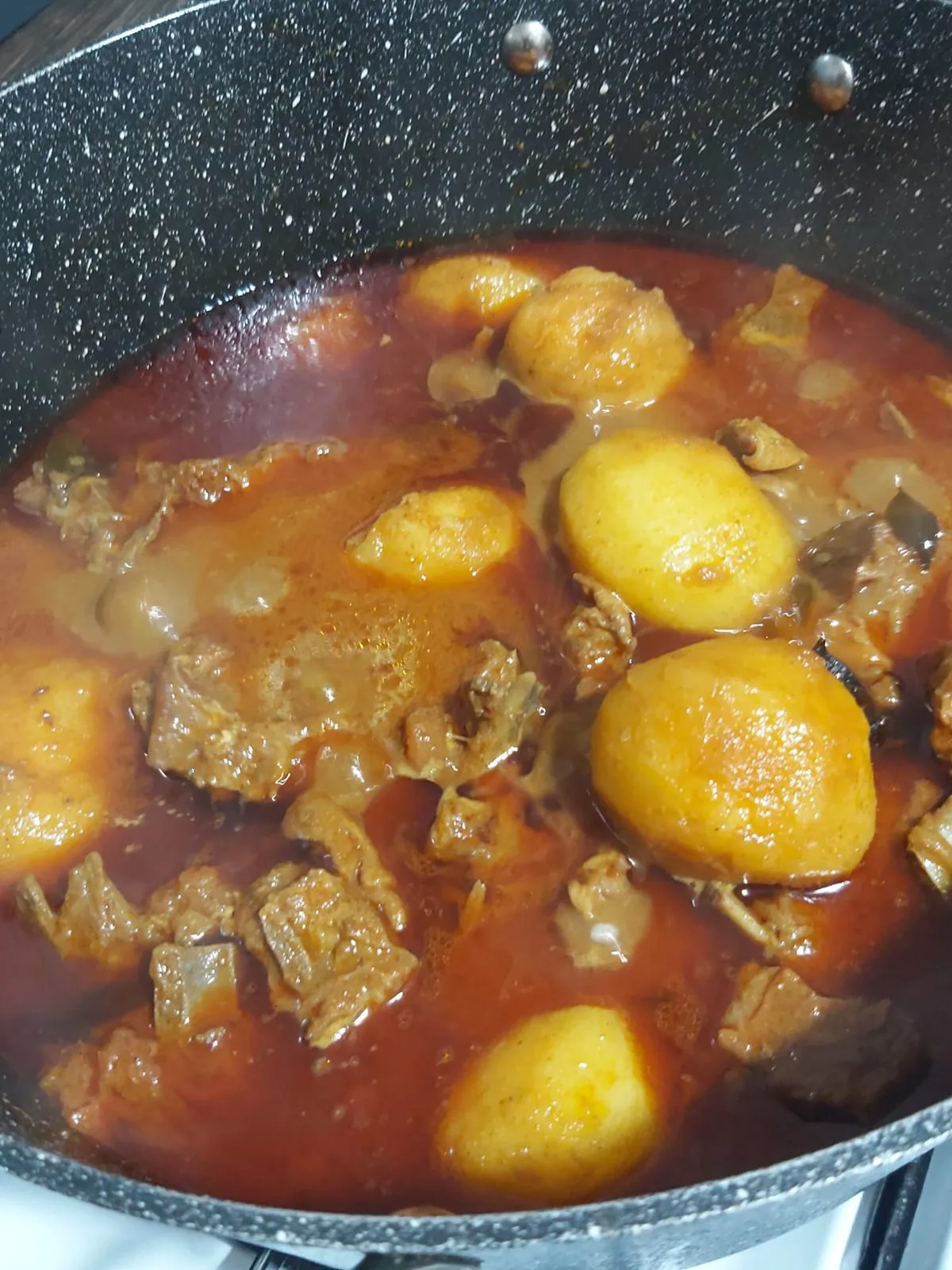
You take the first spoonful and your cheeks tighten. The curry smells right, the colour is right, and the back of your tongue is sour. Before you reach for sugar, work out where the sourness came from, because the fix depends on the source.
Start by naming the sour ingredient
Most home curries get their tang from only four places: tomatoes, yogurt, tamarind or lemon, and old fermented ingredients such as stale yogurt or a tired pickle masala. Taste a little of the raw stuff if you still have it. A watery, pale tomato tastes very different from a ripe one. Last week's yogurt tastes sharper than fresh.
Here is a quick way to read the pot:
| What it tastes like | Likely source | Quick check |
|---|---|---|
| Bright, thin sourness up front | Under-cooked tomato | Does the oil sit on top yet? |
| Sharp and a little bitter | Tomato paste or tinned tomato with the acid unreduced | Did you add it late? |
| Sour and flat, with a tang that lingers | Yogurt that was sharp, or added too much | Check the date and the amount |
| Fruity sour | Tamarind or lemon went in heavy | Did you measure? |
Under-cooked tomatoes are the usual suspect
The recipes in our library keep repeating one signal: cook the tomato until it turns pulpy and the oil separates. Chana Masala tells you to fry the ginger-garlic paste and tomato until the oil separates, which in that recipe takes about 8 minutes. If you add the boiled chickpeas at minute four, the tomato is still raw acid in a sauce.
The fix for tonight is more heat, not more sugar. Lift the lid, put the flame on medium and simmer uncovered for 8 to 10 minutes, stirring from the bottom. You are looking for the sauce to darken a shade, thicken so a spoon leaves a trail, and for a glossy film of oil to appear at the edges. Taste again. Cooked tomato turns sweet and round, and the sour often softens without touching anything else.
Add fat first, then sweetness
If the sourness is still loud after the extra simmer, fat is your best tool. Fat coats the tongue and mutes the sharp edge. Stir in a tablespoon (15 ml) of ghee or oil, or two tablespoons (30 ml) of cream if the dish is a creamy one like a butter or shahi gravy. Cook it in for two minutes.
Sweetness comes second, and it should be small. A pinch of sugar, about 1/4 teaspoon (1 g), is plenty for a pot serving four. Go in pinches and taste each time. Too much and you have a sour-sweet gravy, which is a worse problem than the one you started with. Some of our recipes already lean on this idea: the tips on Chana Daal suggest a pinch of sugar for balance.
When yogurt is the cause
Yogurt gravies like qorma or marinated karahi go sour for two reasons: the yogurt was old, or it was not cooked out. The Chicken Qorma recipe says to cook the yogurt for about 5 minutes until it has dried into the masala and oil begins to separate at the edges. Skip that and you taste raw tang. Chicken Handi adds its yogurt gradually on low heat, then simmers until the gravy turns creamy.
If the pot is already done, you cannot undo a sharp yogurt, but you can soften it. Add a splash of hot water (60 ml, about 1/4 cup) to loosen it, add a tablespoon of ghee, and simmer on low with the lid half off for 10 minutes. A teaspoon of ground almonds or a few cashews blitzed with water to a paste also adds roundness. Keep the heat low. A split yogurt gravy is a separate problem, and our guide on oil separation and split gravy shows how to tell the difference.
Tamarind and lemon: dilute rather than mask
Tamarind and lemon are measured sourness, so the mistake is usually the spoon. If you have overshot, you need volume. Add 1/2 cup (120 ml) of hot water or stock, bring it back to a simmer, then add the dry spices and salt again in smaller amounts than you used the first time. Dilution lowers sourness and spice together, so you may need a small second tadka, a spoonful of ghee with cumin or garlic, to bring the flavour back. Our explainer on what tadka is walks through that final step.
A starchy helper works too. Stir in a mashed boiled potato or a spoonful of the dish's own boiled lentils or chickpeas. The starch spreads the acid across more body. The Aloo Gosht pot does this by default, which is one reason it is forgiving.
What not to do
- Do not add baking soda. A pinch can neutralise acid, but it also turns tomatoes mushy and leaves a soapy edge. If you try it at all, use less than 1/8 teaspoon for a family pot, stir, and wait a minute before deciding.
- Do not keep adding sugar in big spoonfuls. Add a pinch, taste, wait.
- Do not add more salt to cover sour. It rarely works and you risk a second fix. If that happens, our page on salty and sour curry fixes has a symptom table.
Next time: three small habits
- Cook the tomato until the oil separates, and treat the oil as the signal rather than a timer.
- Add yogurt off the heat or on a low flame, stir until it dries into the masala, and use fresh yogurt.
- Measure tamarind and lemon with a spoon, and add them in two stages, half now and half after tasting at the end.
If you plan the week in the Degchi app, the recipe pages show metric and US amounts side by side, which makes spoon-level mistakes with tamarind easier to spot. You can try the pantry planner on the Degchi home page.
One-line rescue cheat sheet
- Raw tomato taste: simmer uncovered 8 to 10 minutes until oil shows.
- Sharp yogurt: ghee, hot water, low heat, 10 minutes.
- Too much tamarind or lemon: add 1/2 cup (120 ml) hot water, then re-season.
- Still sharp: 1 tablespoon (15 ml) ghee, then a pinch of sugar, tasting between each.
Related recipes


Related posts
Why Does My Curry Curdle? Yogurt in Qorma and Korma
Grainy, separated yogurt gravy is almost always a heat or timing problem. Here is how to stop it in qorma and korma and what to do when it has already happened.
Cooking Desi Food for One: Small Portions Without the Waste
Most desi recipes assume a crowd. Cooking for one is easier when you cook a little extra on purpose, freeze it in single portions, and keep a few fast fallback dinners.

Instant Pot vs Stovetop Pressure Cooker for Desi Food
An electric pressure cooker and a stovetop whistle cooker both soften rajma. They differ on bhuna, timing and how much you can walk away. A plain comparison.
Why Is My Curry Oily? Oil Separation vs a Split Gravy
In many desi recipes, oil rising to the top is the signal to move on. A curdled yogurt gravy is a different problem. Here is how to tell them apart and fix both.