 Degchi
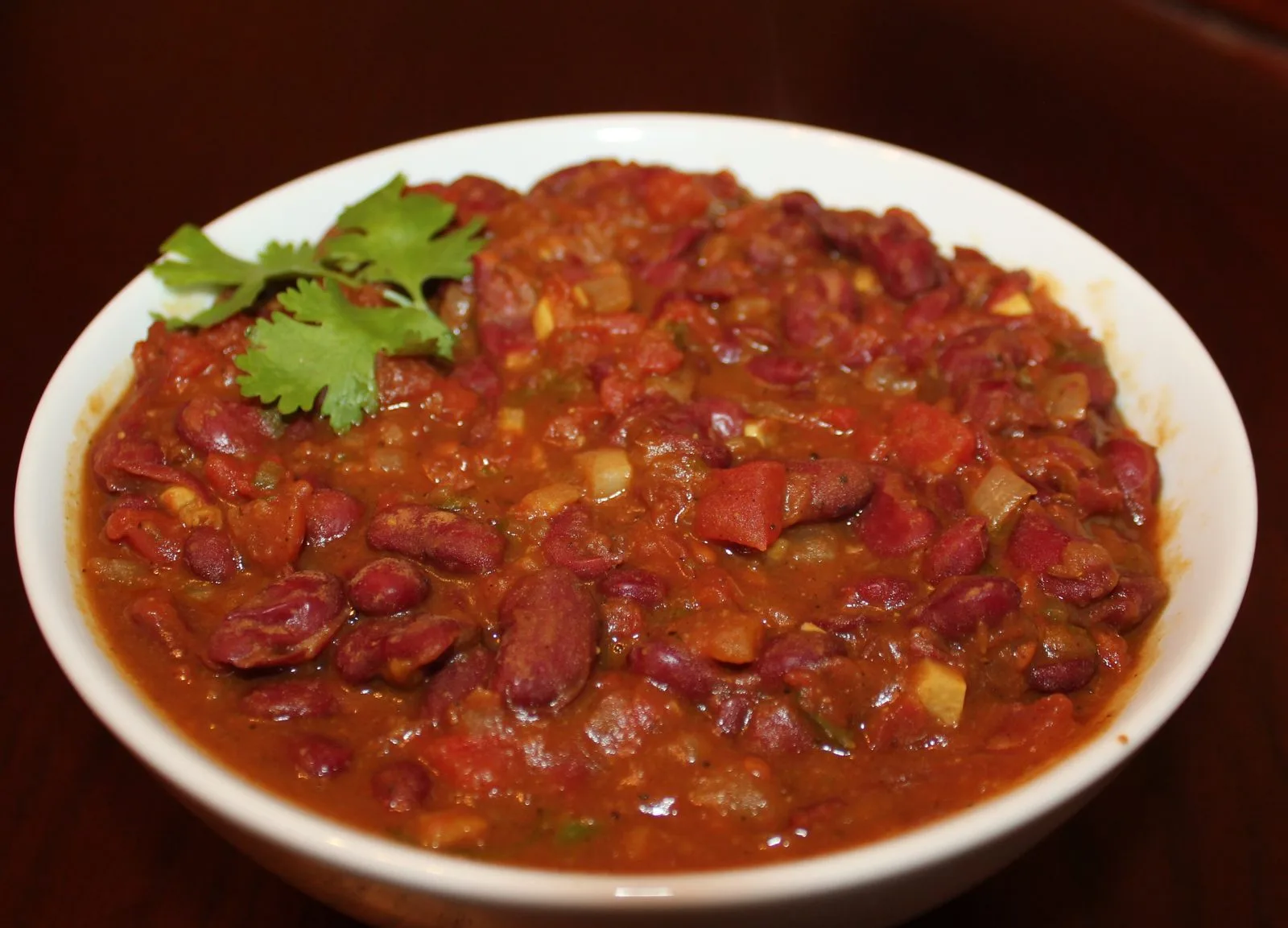
Photo: Scott Veg / CC BY 4.0
Instant Pot vs Stovetop Pressure Cooker for Desi Food
Same pressure, different kitchen habits
Your aunt swears by the steel whistle cooker she has had for 20 years. Your flatmate bought an Instant Pot in a sale and cooks everything in it. Both are right, and both are quietly cooking in a different way.
If you are deciding which to buy for desi cooking, or which to pull out tonight, the comparison is less about "which is better" and more about what you cook and how you cook it. This is not a review of any brand. It is how the two designs behave with the dishes in our library.
What is the same
Both seal a pot so steam builds pressure. Higher pressure means the water boils at around 115 to 120 C (240 to 248 F) instead of 100 C (212 F), which is why hard beans and tough meat soften much faster. Rajma on our recipe page lists a 4-hour soak and then 60 minutes of cooking in an open pot, and pressure shortens the cooking step a lot. We explain the sizes in which pressure cooker size to buy and the time savings in pressure cooker vs open pot times.
Where the stovetop cooker wins
- Bhuna on the same pot. You fry onion and masala in the cooker base with full flame, add meat, seal and cook, then open and reduce. A traditional cooker has a heavy base and a high flame, which gives the proper browning. Browning in an electric pot works but its "sauté" function runs at a lower power, so the onions take longer.
- Speed to pressure. On high heat a small 3 L cooker reaches pressure in 3 to 5 minutes. An electric pot with the same food needs 10 to 15 minutes to build up. <!-- VERIFY: pre-heat time depends on model, volume and starting temperature; the range is typical, not measured. -->
- The whistle. For people who count whistles (1 for daal, 3 to 4 for chana, and so on) it is simple, audible and needs no screen. In a small apartment you can hear it from the other room.
- Cheap and repairable. Gaskets and weights are sold everywhere.
Where the electric pressure cooker wins
- Walk away. You set it and it holds pressure steadily. A stovetop cooker needs the flame lowered after the first whistle, and a distracted cook ends up with scorched daal.
- Timer control. A burn-proof, repeatable result, especially for rajma, which is notoriously unforgiving about being half-cooked.
- A real low-power mode. Yogurt setting, slow-cook setting, rice setting. If you also want to make set curd, they help.
- No flame, less heat in the kitchen. Useful in a hot Gulf or Indian summer, or in a flat with an induction hob where an old aluminium cooker will not work.
Dish-by-dish
| Dish | Stovetop cooker | Electric pot |
|---|---|---|
| Rajma (soaked) | Cook beans separate, then simmer in masala | Beans and masala in one go, easy |
| Chana masala | The recipe lists about 45 minutes open-pot, pressure cuts it a lot | Excellent, sauté the masala first |
| Chana daal | Good, watch scorching | Easy, but rinse to reduce foaming |
| Aloo gosht | Strong, the bhuna base is ideal | Good if you brown meat in batches |
| Daal | One to three whistles | One 8 to 10 minute cycle, foam risk |
Our library lists times for open-pot cooking, so when you convert, remember that pressure timings are a rule of thumb. <!-- VERIFY: pressure-cooking times for rajma, chana and mutton vary with the age of the beans, altitude and the cut; treat them as a starting point and test. -->
The two mistakes that spoil food in both
- Overfilling. Never fill beyond two-thirds, and for foamy things like daal and beans, only half. Foam can clog the valve. This applies to both cooker types.
- Opening too fast. Quick release on a pot of beans can split the skins and spit foam. Let rajma rest for 10 minutes before opening, a "natural release".
So which should you buy
If you cook mostly daal, chana and rajma, plus the occasional mutton, an electric pressure cooker is the lower-stress choice, especially if you are often out of the kitchen. If you want one pot for frying masala and cooking meat, plus you already have a gas flame, a 3 L or 5 L stainless stovetop cooker is cheaper, faster and more traditional.
For a family of four the usual advice is a 5 to 6 L pot of either kind. An empty pot also takes space: a stovetop cooker nests with other pots, while an electric one needs a shelf of its own.
A week of pressure-cooker nights
Monday: daal and rice. Wednesday: chana masala. Friday: soaked rajma with rice. Sunday: aloo gosht. If you want that mapped onto your own pantry, Degchi suggests dishes from what you already have.
Care and safety in one paragraph
Check the rubber gasket every few months: if it is stretched, cracked or smells strongly of old curry, replace it. Clean the valve and vent after every use, because dried daal foam is the usual cause of a blocked valve. Never force a lid open and never fill past the maximum line. Stovetop cookers need the weight and vent pipe cleared with a thin skewer, and electric ones need the sealing ring washed and dried. Wash the inner pot by hand if the coating is non-stick.
Related recipes


Related posts
Pressure Cooker Gasket and Valve Care: When to Replace
Steam hissing from the lid edge or a cooker that never whistles usually means a worn gasket or a blocked vent. A short check routine fixes most of it.
One Kitchen, Many Diets: Desi Meals for a Multigenerational Household
Grandparents may need less salt, children want mild food, and someone is vegetarian on Tuesdays. Here is how to cook one base and adapt it at the table.
Desi Ingredient Substitutes When You Cannot Find the Real Thing
Not every shop stocks curry leaves, kasuri methi or paneer. Here are substitutes that work, and which ingredients are worth a special trip.
How to Fix a Salty Curry (and a Sour One)
Dilute, add bulk, add acid or fat. The potato trick barely works. Here is a symptom-to-fix table for salty, sour and harsh curries, with real recipe examples.