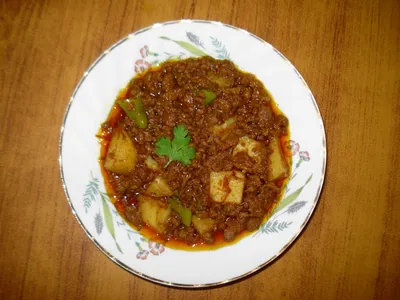
 Degchi
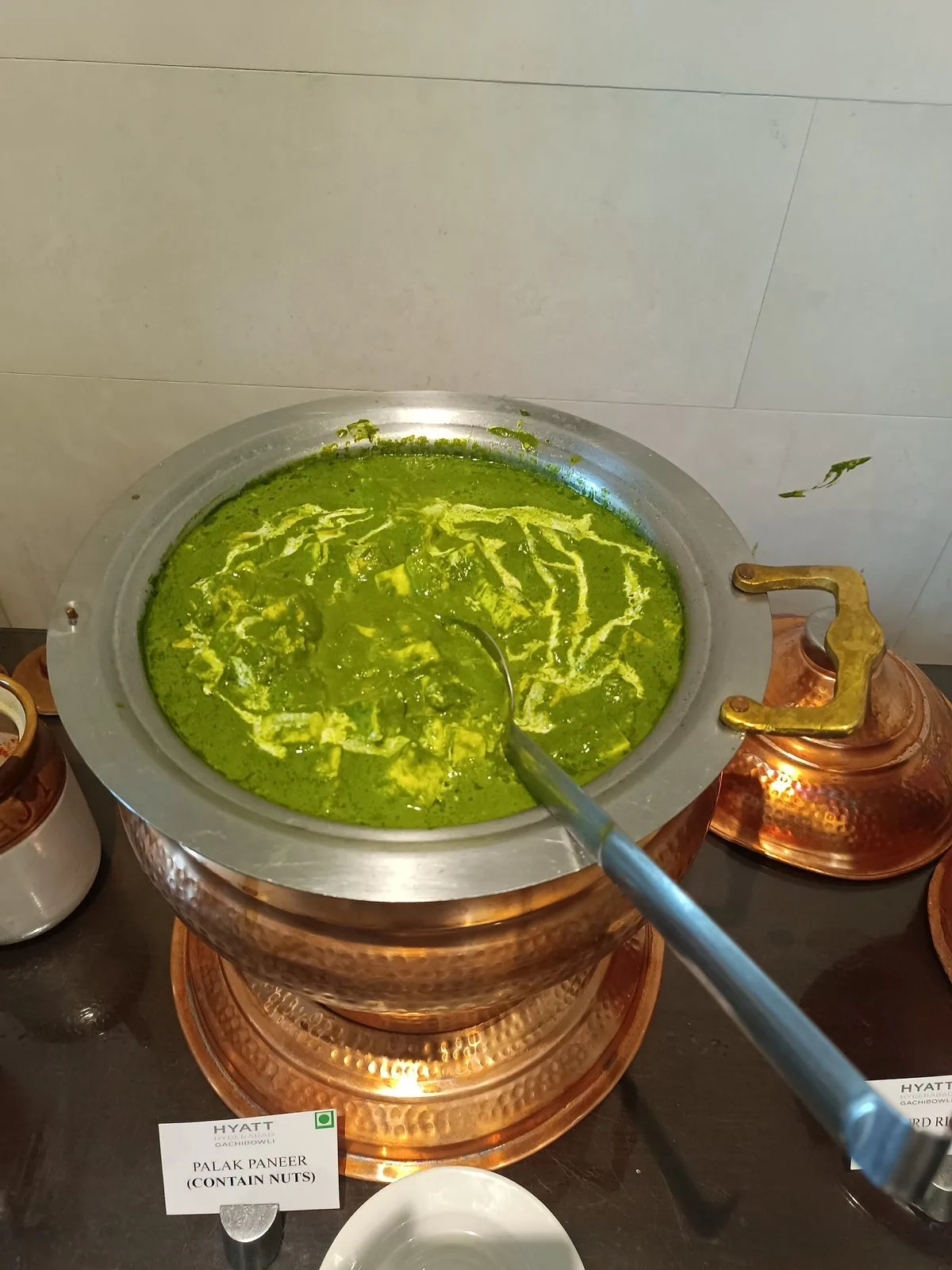
Photo: Koshur / CC BY-SA 4.0
Desi Ingredient Substitutes When You Cannot Find the Real Thing
When the shop does not have it
Cooking South Asian or Gulf food far from home often means standing in a regular supermarket aisle, reading a recipe on your phone and realizing the key ingredient is not there. Sometimes there is an Asian grocer nearby. Sometimes there is not, and the closest one is a long drive away.
Substitutes can save a dinner. They will not replicate the original exactly, and it is better to be honest about that. This guide covers common swaps and tells you when the real thing is worth hunting down.
Dairy
Paneer. Fresh paneer is easy to make at home from whole milk and lemon juice or vinegar. As a store-bought swap, firm tofu works in dishes like palak paneer, though the flavor and texture are different. Halloumi is saltier and firmer, and it holds its shape well in grilled dishes. Reduce the salt in the gravy if you use it.
Dahi (yogurt). Plain, unsweetened whole-milk yogurt is the closest match. Greek yogurt is thicker, so thin it with a little water for kadhi or marinades. Avoid flavored or sweetened yogurt.
Ghee. Clarified butter is easy to find in many shops now. If you cannot, use a neutral oil, and add a small amount of butter at the end for flavor. The taste will be lighter.
Khoya or mawa. Hard to find. For sweets, a mixture of milk powder and a little cream or ricotta is a common home substitute. The results are good enough for a family dessert.
Leaves, herbs and aromatics
Curry leaves. Fresh curry leaves have a flavor that no other leaf quite matches. If you can find them at an Asian grocer, buy a few bunches and freeze them. Dried curry leaves are a weaker option. If you have neither, leave them out rather than substituting bay leaf, which tastes different.
Fresh coriander (cilantro). Widely available. If you dislike it or cannot find it, flat-leaf parsley gives color and freshness but not the same flavor.
Kasuri methi (dried fenugreek leaves). Found at most South Asian shops. If you cannot get it, skip it, or add a tiny pinch of fenugreek seeds, carefully, because they turn bitter fast. Another route is to leave it out and add a little extra garam masala.
Green chilies. Use fresh jalapeno or serrano as a swap, adjusting for heat. Jalapenos are usually milder, so you may need more.
Ginger and garlic. Fresh is best. Jarred paste is fine for weeknights, but it can be saltier and sourer, so reduce added salt and lemon juice.
Spices and blends
Garam masala. Many supermarkets sell a version. Brands differ in strength, so add gradually and taste. If you have whole spices, you can toast and grind your own.
Chaat masala. If missing, mix a pinch of roasted cumin powder, black salt if you have it, a little amchur or lemon juice, and chili powder. It is a reasonable stand-in for sprinkling over fruit or snacks.
Amchur (dry mango powder). Replace with lemon or lime juice at the end of cooking. The acidity is similar, but the dried powder adds a slightly fruity depth that juice does not.
Tamarind. Concentrate or paste is easy to find. If you cannot, a mix of lime juice with a little brown sugar gets you near the sweet-sour balance.
Saffron. There is no real substitute for its flavor. If a dish needs only color, a small pinch of turmeric can help, but it will taste different. Use saffron sparingly where you can.
Grains, lentils and flours
Basmati rice. Widely stocked. If you cannot find it, long-grain rice works for most dishes, though it is less fragrant and may need slightly different water.
Atta (whole wheat roti flour). Use a blend of whole wheat flour and all-purpose flour as a substitute. Whole wheat alone will make firmer rotis. Atta is finer than standard whole wheat flour, so if you make rotis often, it is worth buying the real thing.
Besan (gram flour). Look for it in the international aisle. There is no true substitute. Chickpea flour sold in health-food stores is the same thing.
Lentils. Red lentils are common in supermarkets. Other types, such as toor, moong and chana daal, are different lentils with different cooking times. Do not swap them one for one without adjusting the cooking time. If you want to understand daal types, see our daal recipe.
Meat and fish
Goat or mutton. If you cannot find goat at a halal butcher, lamb is the closest swap. It cooks faster and has a milder flavor, so shorten the cooking time and check for doneness.
Chicken cuts. Bone-in thighs and drumsticks give the best flavor in curries. Skinless breast dries out easily, so add it later in the cooking.
Fish. Local white fish can stand in for regional freshwater fish in simple curries, but the dish will not be the same. Choose firm fish that will not fall apart in sauce.
For all raw meat and poultry, wash your hands and surfaces after handling, keep it separate from ready-to-eat food, and cook poultry to an internal temperature of 165 F (74 C), as recommended by the USDA.
Vegetables
Bitter gourd, bottle gourd, okra. Many Asian grocers stock these, often frozen. Frozen okra and bottle gourd are fine for curries. For bottle gourd, zucchini is a mild, close swap in some dishes.
Methi, saag and other leafy greens. Spinach, kale and mustard greens are a reasonable stand-in for saag style dishes. Expect a different flavor. A mix of greens is better than one.
Cauliflower, potatoes and peas. Easy to find. Frozen peas are usually fine, and they keep well in the freezer for aloo gobi and rice dishes.
Ingredients worth a special trip
Some items are cheap, store well and make a clear difference:
- Whole spices such as cumin, coriander, cardamom and cloves
- Basmati rice
- Atta
- Ghee
- Frozen curry leaves
- Good quality red chili powder
Buying these in bulk a few times a year saves money and means that your substitutes are limited to fresh and perishable items.
Keep a substitutes list
A short note in your phone helps. For each recipe you cook often, note what you actually use in your own kitchen. That way you stop doing the same research each time.
In Degchi, you can mark an ingredient as available, low or out of stock, and your shopping list builds from that. It does not replace the shop, but it reminds you what to look for when you do get to the Asian grocer, so you can stock up on the things you cannot substitute.
Substitutes at a glance
- Tofu or halloumi can stand in for paneer, but with different results.
- Skip curry leaves and saffron rather than faking them.
- Use lemon or lime for amchur and tamarind.
- Do not swap lentil types without changing cook times.
- Stock whole spices, rice, atta and ghee in bulk.
- Cook poultry to 165 F (74 C).
Perfect authenticity is not the goal. A dinner that your family enjoys, made with what you could find, is worth cooking.
Recipes with potatoes Recipes with paneer Recipes with chickpeas Recipes with milk
Related recipes
Related posts
Ghee vs Oil: What to Use for Everyday Desi Cooking
You do not have to pick a side. Learn which dishes shine with ghee, which are better with oil, and how to keep both without waste.
Cooking Desi Recipes With No Measurements: How to Turn Family Methods Into Numbers
Family recipes often live in someone's hands, not on paper. Here is a simple way to capture them, convert them to measurements, and scale them up or down.
Desi Comfort Food for Sick Days: Gentle Meals From the Pantry
When someone at home is unwell, you want soft, warm, simple food. Here are the desi classics families lean on and how to keep them ready.
Feeding a Desi Household With a Newborn: Easy Meals and Smart Help
In the first weeks with a baby, the goal is simple: everyone eats something warm. Freezer meals, a shared helper list and a few low-effort dinners make that possible.