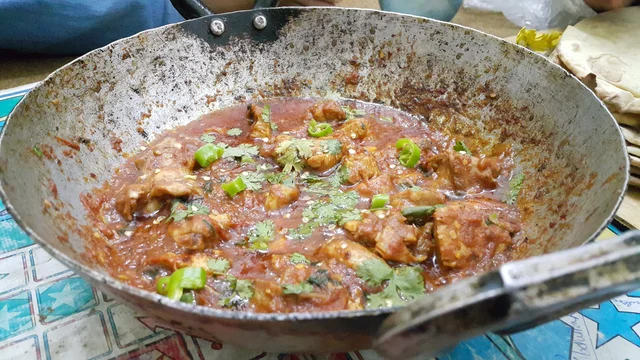
 Degchi
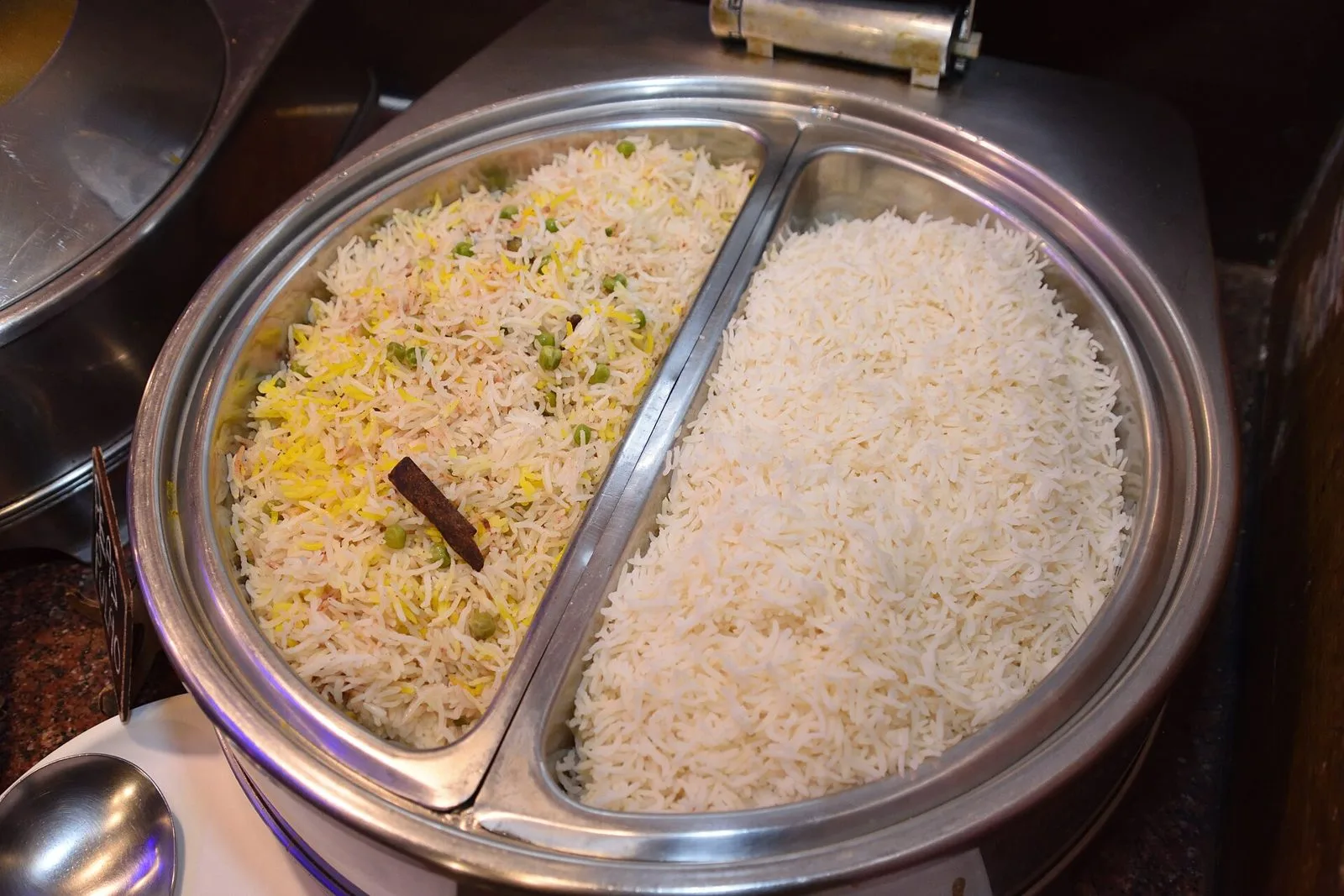
Photo: Biswarup Ganguly / CC BY 4.0
One Kitchen, Many Diets: Desi Meals for a Multigenerational Household
The common situation
In many South Asian households, three generations share a kitchen. One person watches their salt or sugar, another cannot chew tough meat, the children avoid chilli, and a fourth fasts or skips meat on certain days. The cook, usually already tired, ends up preparing separate dishes and burning out.
The answer is not three separate dinners. It is a flexible base, with the differences added at the end or at the table. This is general cooking advice and not medical guidance. If someone has diabetes, kidney or heart disease, swallowing difficulties, or allergies, follow the advice of their doctor or dietitian.
The "base plus add-ons" method
Think of dinner as two layers.
The base: the part everyone eats. It is cooked gently, with moderate salt and mild spice.
The add-ons: extras that individuals choose: chilli, pickle, fried onions, extra salt, a squeeze of lemon, chutney, or a topping of yogurt.
Almost every desi dish can be split this way. A pot of daal can be served plain from the pot, then given a hot tarka for those who like heat. Matar pulao with mild seasoning can be dressed with raita, pickle, or green chilli on the side.
Handling salt
Many older adults are told to reduce salt. Rather than cooking two versions, cook the base with a light hand and put salt and pickles on the table. Fresh lemon, herbs, roasted cumin, and black pepper add flavour without sodium. Be aware that stock cubes, ready spice mixes, pickles, and processed foods can contain a lot of salt, so check labels.
Handling sugar and carbohydrates
For members managing blood sugar, portion and balance matter, and the details are specific to the individual, so follow the care team's advice. Practical household ideas:
- Serve lentils, vegetables, and protein in larger portions, and rice and bread in smaller ones.
- Offer brown rice or a mix of grains as an option beside white rice.
- Keep sweet dishes as small, occasional servings rather than daily habits.
- Put chutneys and sweetened drinks on the table as optional, not automatic.
Handling texture
Some grandparents have dental issues or trouble swallowing, and toddlers are still learning to chew. A pot of well-cooked khichdi or soft daal suits both ends of the age range. For meat, choose slow-cooked cuts and shred or mince them. Cook vegetables until soft, and offer a raw salad on the side for those who want crunch.
If someone has a medically diagnosed swallowing problem, ask a speech and language therapist or doctor about texture guidance rather than guessing.
Handling spice
Keep heat out of the base. Whole spices and mild ground spices give flavour. Then add:
- Chilli powder or fresh green chilli at the table
- A hot pickle or chilli chutney
- A tarka poured over individual bowls
This lets the spice-lovers have what they want and keeps the children's plates mild.
Handling vegetarian days
If some members avoid meat on certain days, plan a vegetarian meal that everyone enjoys rather than a separate dish. Dishes such as chana masala, aloo gobi, and lentils with rice are satisfying and cheap. Alternatively, cook the vegetable base and add meat to a separate pan for those who want it, using clean utensils and pans to keep the vegetarian portion free of meat.
For households that keep halal, make sure meat is sourced accordingly and that serving utensils stay separate where needed.
A sample week
| Night | Base dish | Add-ons |
|---|---|---|
| Monday | Daal and rice | Hot tarka, pickle, lemon |
| Tuesday | Chana masala and roti | Chilli, raw onion, yogurt |
| Wednesday | Chicken handi and rice | Chilli oil, extra salt at the table |
| Thursday | Aloo gobi and flatbread | Chutney, green chilli |
| Friday | Matar pulao and raita | Fried onions, pickle |
Get everyone involved
In a multigenerational home, the cooking knowledge often sits with the grandmother. Ask her to teach a recipe, and write it down with real amounts. That preserves family dishes and lets younger members help. Give children simple jobs, and let teenagers take one dinner a week.
Food safety in a mixed household
Older adults, young children, and people with weakened immune systems are at higher risk from food poisoning, so extra care is worthwhile.
- Cook poultry to 165°F (74°C) and ground meat to 160°F (71°C).
- Refrigerate leftovers within two hours, or within one hour if the room is hotter than 90°F (32°C).
- Eat refrigerated leftovers within three to four days, and reheat them to 165°F (74°C).
- Cool cooked rice quickly and refrigerate it promptly.
- Thaw frozen food in the fridge, not on the counter.
- Keep raw and cooked foods apart, and wash hands, knives, and boards.
Where Degchi can help
Degchi was built with families in mind. You can set up members, see which dishes you can cook from your pantry, and run a dinner vote so everyone has a say. A family rule means a dish is not suggested if more members dislike it than like it, although it can still appear under other options. A written weekly plan on the fridge also works well.
Recap
- Cook a gentle base and let people add heat, salt, and sweetness at the table.
- Use lemon, herbs, and pepper instead of extra salt.
- Choose soft textures that suit everyone, and ask professionals about medical needs.
- Plan vegetarian days as full meals.
- Follow USDA guidance, especially for older adults and young children.
Related recipes

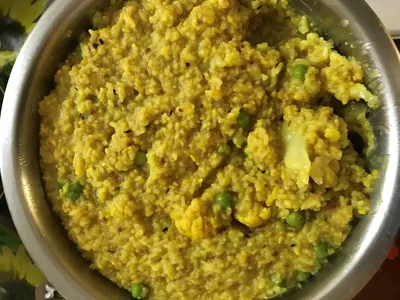
Related posts
Cooking Desi Food for One: Small Portions Without the Waste
Most desi recipes assume a crowd. Cooking for one is easier when you cook a little extra on purpose, freeze it in single portions, and keep a few fast fallback dinners.
Halal Meal Prep for the Week: A Simple Plan for Busy Families
Halal meal prep does not mean five identical boxes. Cook a few building blocks on one afternoon, store them safely, and assemble different dinners all week.
Cooking Desi Recipes With No Measurements: How to Turn Family Methods Into Numbers
Family recipes often live in someone's hands, not on paper. Here is a simple way to capture them, convert them to measurements, and scale them up or down.
15 Pakistani Dinner Ideas for Busy Weeknights
Fifteen Pakistani dinners that actually fit into a weeknight, grouped by how long they really take — from 20-minute eggs to slow, mostly-unattended curries.