 Degchi
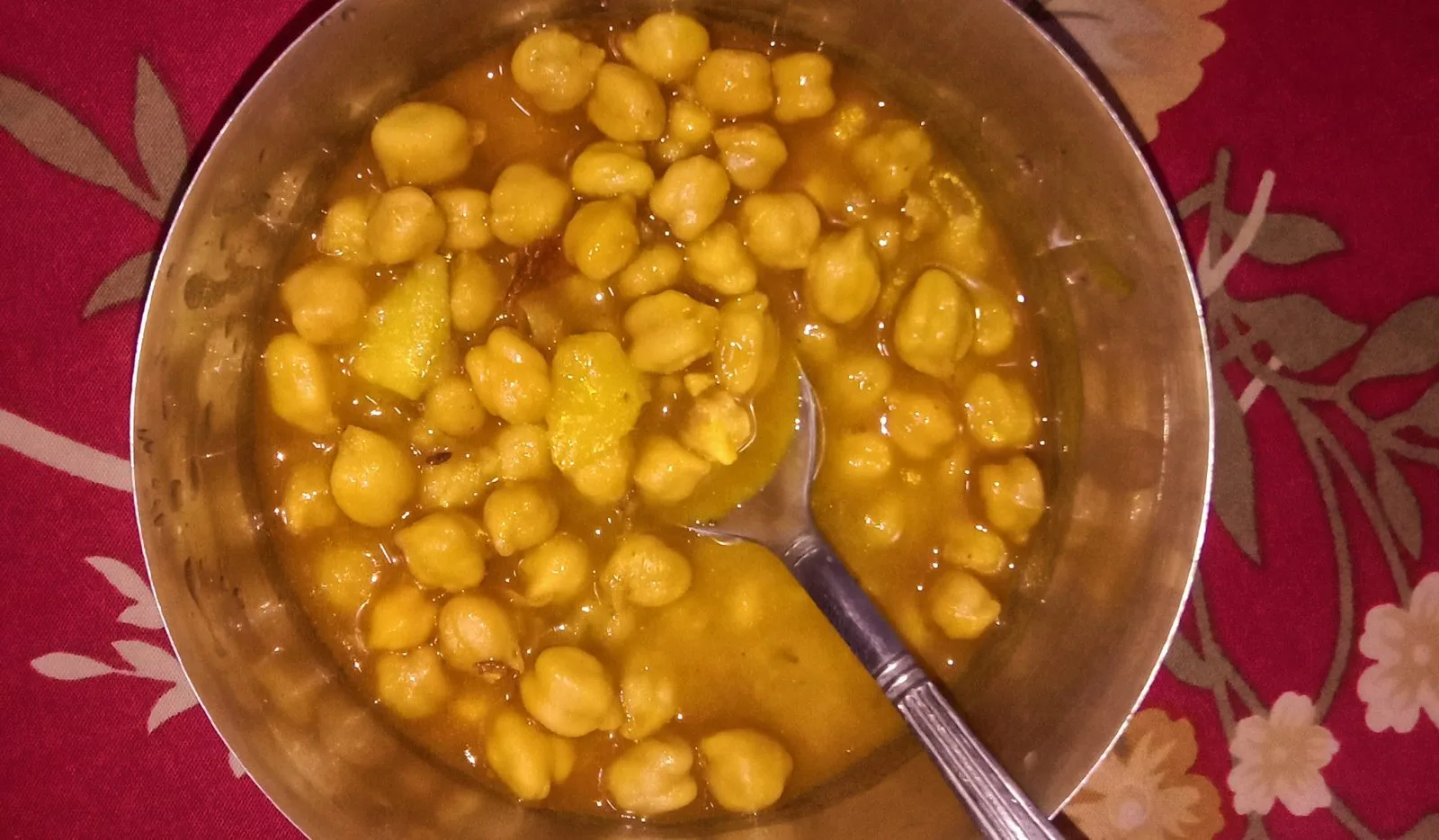
Photo: Billjones94 / CC BY-SA 4.0
Pressure Cooker vs Open Pot: Real Cooking Times
Where a pressure cooker earns its place
Somebody in the house always says the pressure cooker "saves time", and somebody else says the food tastes better in a heavy pot. Both are partly right. The cooker is a tool for one kind of job: tough or dry things that need a long, wet soak in heat. For everything else it is only a pot with a screwy lid.
Here is how the times actually compare, using the numbers in our own recipe library. The cooker times are the ones written into those recipes; the open-pot times are the ones from the same recipes. Cookers differ, so treat every figure as a starting point, not a promise.
The side-by-side table
| Job | Open pot | Pressure cooker |
|---|---|---|
| Bone-in mutton, 600 g (1.3 lb), to nearly tender | about 50 minutes covered, on low | 20 to 25 minutes |
| Dried chickpeas, soaked 8 hours | 45 to 60 minutes | 10 to 12 minutes |
| Soaked rajma (kidney beans) | until completely soft; allow an hour or more | see the safety note below |
| Masoor (red lentils), soaked 10 minutes | about 20 minutes, partly covered | rarely worth it |
| Chana daal (split chickpeas), soaked 30 minutes | 25 minutes of boiling in our recipe, often longer | a good fit |
The mutton and chickpea figures are the big ones. Our aloo gosht recipe notes that a pressure cooker needs only 20 to 25 minutes where the covered pot needs roughly 50 before the potatoes go in. Our chana masala recipe gives 45 to 60 minutes for soaked chickpeas in an open pot and 10 to 12 in a cooker. That is a saving of about three quarters on chickpeas and a little over half on mutton.
Mutton: save the time, keep the browning
The mistake is to pressure-cook the whole dish. Browning is where gravy flavour comes from, and it needs an open surface and some patience.
- In the cooker base (lid off), fry the onions until golden, add ginger-garlic paste and the meat, and fry until the colour changes.
- Add tomato and spices and cook until oil separates at the edges, exactly as the recipe says.
- Add the hot water, close the lid, and cook under pressure for the shorter time.
- Release the pressure, open it, add the potatoes, and finish with the lid off or loosely on, 15 to 20 minutes until a fork slides in.
Do not put potatoes in with the meat under pressure. They turn to mush by the time the mutton is tender. Our recipe adds them when the meat is nearly done for the same reason.
Bone-in pieces give a richer gravy, and the cooker is kind to them. If you are using chicken instead, the cooker is hardly necessary at all: chicken is done when it reaches 74 C (165 F) inside, and most curries get there long before a cooker has finished building pressure.
Chickpeas and rajma: soak first, and mind the beans
For chickpeas, the soak does most of the work. Eight hours or overnight, drain, then boil with salt. In a cooker, 10 to 12 minutes is the figure in our recipe, and you test by crushing one between your fingers. Keep a cup of the cooking water for the gravy.
Kidney beans need extra care. Raw or undercooked red kidney beans contain a natural toxin that can make you ill, and the standard advice from food-safety agencies is to soak them, discard the soak water, and boil them hard in fresh water, not just simmer them. Our rajma recipe soaks overnight (or at least 4 hours) and boils in fresh water until completely soft. A pressure cooker can do this well because it holds a high temperature, but follow your cooker's manual for beans and make sure they are fully soft. Never cook raw kidney beans in a slow cooker; low heat is exactly the wrong condition.
Lentils: where the cooker barely helps
Masoor is the red lentil that cooks fast. Our daal recipe soaks it 10 minutes and simmers it about 20, whisking at the end for a creamy texture. A cooker saves maybe ten minutes and gains you foam to clean off the valve. Red lentils also froth, and the froth can block a vent, so many cooks skip the cooker for them entirely.
The harder lentils are different. Our chana daal recipe soaks 30 minutes and boils with 4 cups of water, and split chickpeas stay firm for a long time. Our daal recipe itself says harder lentils such as chana or arhar need soaking and about 45 minutes or more in an open pot. This is where the cooker pays for itself, particularly on a weeknight.
When the open pot wins
- Anything delicate. Fish, paneer, eggs, leafy greens. Pressure turns them to paste.
- Biryani and pulao. The rice needs a controlled steam and you want to see the grains. A pot with a tight lid, or a tawa under it, is the right setup.
- Gravy that needs reducing. A cooker sealed shut cannot evaporate. After pressure cooking, you often finish uncovered for 3 to 10 minutes, so you are using two pots' worth of attention anyway.
- Small amounts. Making a cup of lentils in a 5 litre cooker takes longer to reach pressure than the lentils save.
A few habits that matter more than the model
- Keep to the fill line. Beans and lentils expand and foam; the usual guidance is to fill less than the line you would use for plain water or meat. Check your cooker's manual for the exact limit.
- Natural release for beans and dal, quick release for vegetables. Letting the pressure fall by itself keeps beans intact; a hard burst of steam can split the skins.
- Check the rubber gasket. A stiff or cracked ring leaks steam, and you will wonder why the meat is still tough.
- Write down your own timing. Cookers vary, and so does meat. Note what worked in your kitchen on the recipe page.
A time-saving Sunday plan
If you only have one afternoon, this order gets the most out of a cooker: chickpeas first (about 12 minutes plus release), while you fry the masala in a separate pan; then the mutton batch; then wash up once. Put the chana masala in the fridge for lunches. Cooked chickpeas and curries should be cooled and chilled within about 2 hours, and leftovers eaten within three to four days, reheated until steaming hot. Degchi's pantry try-out can help you check which dried beans you already have before you shop.
Related recipes

Related posts
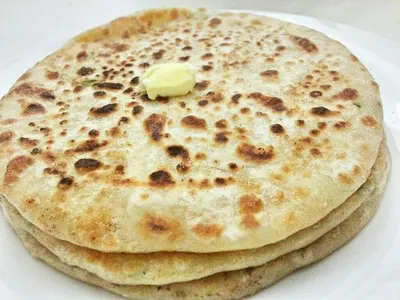
Kitchen Scale or Measuring Cups for Desi Recipes?
A US cup of rice weighs about the same as a cup of lentils, but a cup of flour is far lighter. Here are the figures from our recipes, and when a scale is worth buying.
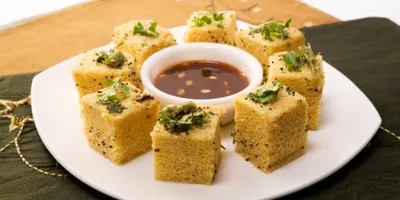
Steaming Without a Steamer: Idli, Dhokla, Pitha in a Pot
You do not need a special steamer for idli, dhokla or Bengali bhapa pitha. A deep pot, something to lift the tray above the water and a tea towel is enough.
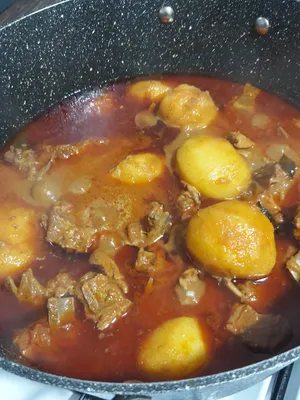
Aloo Gosht Recipe: Pakistani Mutton and Potato Curry
The meat should be nearly tender before the potatoes go in. Everything else about aloo gosht follows from that one rule; here is the full method from our recipe.
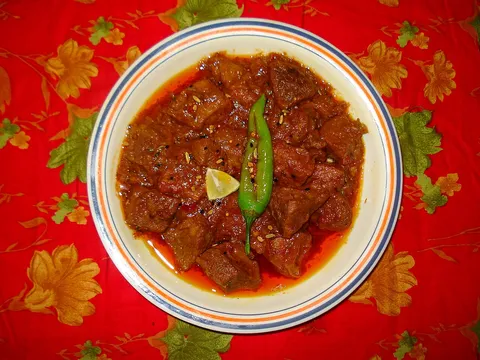
Achar Gosht: The Pickle Spices and How to Use Them
Achar gosht tastes like a jar of pickle turned into a mutton curry. The flavour comes from four whole seeds, vinegar and a very short sizzle in hot oil.