 Degchi
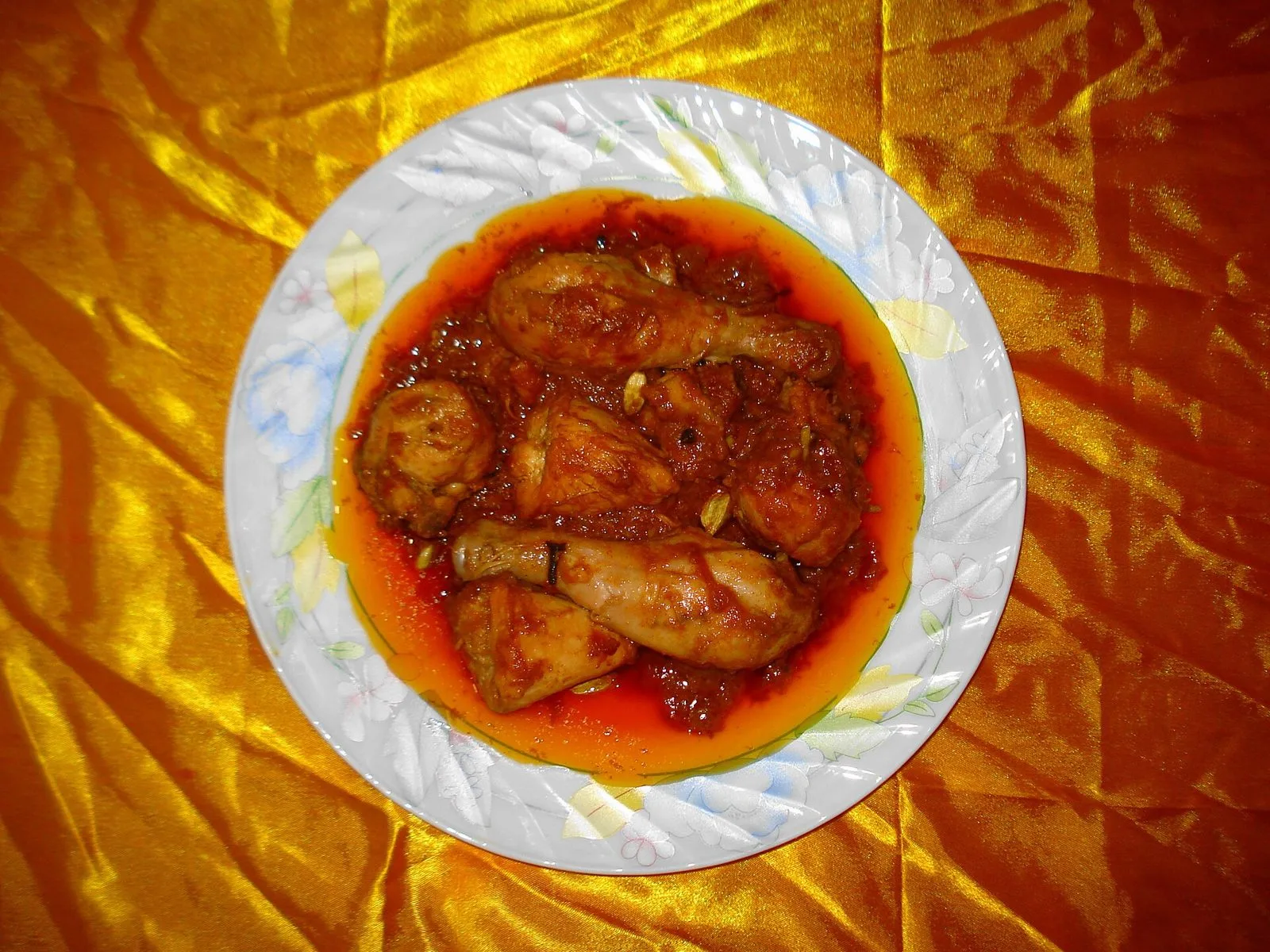
Why Does My Curry Curdle? Yogurt in Qorma and Korma
The gravy was smooth a minute ago. Then the yogurt went in, the pot gave a small hiss, and now you are looking at white grains swimming in thin oil. That is curdled yogurt, and it is one of the most common scares in a qorma or korma kitchen.
The cause is simple. Yogurt is milk protein held together by a delicate structure. Sudden heat, strong acid or a lot of salt makes the protein clump and push out water. Most of the cure is controlling how fast the yogurt meets the heat.
What curdling looks like, and what it is not
Curdled yogurt gives you small, firm, grainy lumps in a watery sauce. The masala does not coat the meat. It looks broken.
It is not the same as oil floating on a finished gravy, which is the sign you want. Our recipe for Chicken Qorma says oil separating at the edges after the yogurt has cooked for about 5 minutes is the cue that the yogurt is properly cooked. If you are not sure which one you have, our page on oily curries and split gravies shows the difference.
The five usual causes
- The pot was too hot. Fried onion, ginger-garlic paste and chicken are all fried on medium heat or above. Yogurt dropped into that is a shock.
- The yogurt went in cold from the fridge. Cold yogurt hitting a hot pot clumps faster than yogurt that has been out for 20 minutes.
- It was added all at once. A whole cup (250 g) dumped in at the same time drops the pot temperature unevenly and the protein catches in clumps.
- The yogurt was too sour, too low in fat or stale. Sharp yogurt curdles more easily. Low-fat or watery yogurt is less stable than full-fat.
- You did not stir. A stationary spot at the bottom of the pot overheats and clumps.
The qorma method, step by step
The qorma recipe in our library gives a very useful sequence for 800 g (1.75 lb) of chicken and 250 g (1 cup) of yogurt:
- Fry the onions to deep golden over medium heat, about 10 minutes, then the chicken and spices.
- Take the pot off the heat for a minute.
- Whisk the yogurt until it is smooth, so no lumps exist before it touches heat.
- Add the yogurt one spoonful at a time, stirring constantly.
- Return the pot to medium heat and stir for about 5 minutes, until the yogurt dries into the masala and oil appears at the edges.
- Only then add salt and 1/2 cup (120 ml) of hot water, cover and cook on low for 20 to 25 minutes.
Two things in that order matter most. The pot is briefly off the heat, so the yogurt lands on warm rather than scorching metal. And water goes in after the yogurt has cooked out. If you add water before the yogurt has dried into the masala, the yogurt floats and splits.
Korma and handi: slightly different, same logic
Bangladeshi Chicken Korma marinates the chicken in 250 g (1 cup) of yogurt with ginger-garlic paste and salt for 30 minutes first, then cooks it with the whole spices over medium heat. Marinating in yogurt means the protein has already mixed with salt and spices before heat arrives, which helps. Keep the heat at medium and stir while the chicken changes colour.
Chicken Handi adds whisked yogurt gradually after the tomato masala has cooked until the oil separates, with the heat lowered. Same principle again: lower the heat, add slowly, whisk first.
For any yogurt gravy, these habits cut the risk:
- Take yogurt out of the fridge 20 minutes before cooking.
- Use full-fat yogurt. A thick Greek-style yogurt works if you thin it with a splash of water.
- Whisk it smooth in a bowl first.
- Keep the flame at medium or lower once the yogurt is in.
- Stir without stopping for the first 2 to 3 minutes.
Fixing a gravy that has already curdled
You have three realistic options, and none of them restores a perfectly silky sauce.
Option one: blend it. If the pot is not boiling, take the gravy off the heat, let it cool for 5 minutes, and use a stick blender in short bursts. Pull the chicken out first so it stays whole. Pour the blended sauce back and warm it on low heat without boiling. The sauce will look smooth, and the flavour is intact.
Option two: add a binder. Whisk 1 tablespoon (8 g) of besan (gram flour) or 2 tablespoons (30 ml) of cream with a little cold water and stir it in over low heat. This helps hold the grains in suspension, though the texture may stay a little rustic.
Option three: embrace it. Cook the gravy down uncovered until thick and clinging, then call it a rustic masala and serve with naan or rice. Taste matters more than texture here.
Do not crank up the heat to make it smooth. That tightens the clumps.
The special case of kadhi
Kadhi is a dish that is meant to simmer yogurt for a long time, and its recipe stabilises it with gram flour. The Kadhi recipe in our library whisks 500 g of yogurt with 150 g of besan and 6 cups of water until smooth and then says to keep stirring while it comes to a boil, since even a brief pause can split it. If you want the full approach, our guide to kadhi without lumps or splitting covers it.
A pre-flight checklist for yogurt gravy
- Yogurt fresh, full-fat, out of the fridge 20 minutes.
- Whisked smooth in a bowl.
- Pot off the heat or on low when the yogurt goes in.
- Added a spoonful at a time.
- Stirred until the oil shows at the edges.
- Water or stock added only after that.
Degchi's recipe pages list yogurt in metric and US amounts, so you can check the quantity before you start. There is a quick way to see what you have on the home page.
Related recipes

Related posts
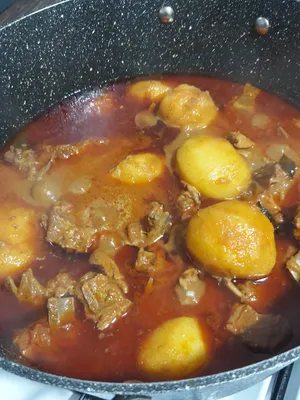
How to Fix a Salty Curry (and a Sour One)
Dilute, add bulk, add acid or fat. The potato trick barely works. Here is a symptom-to-fix table for salty, sour and harsh curries, with real recipe examples.
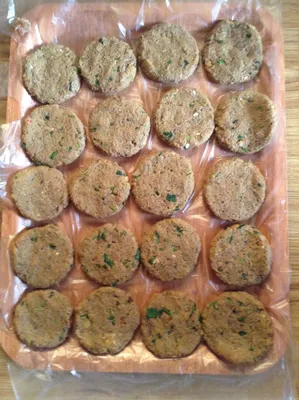
Dhungar Smoke at Home: Charcoal Trick for Kababs and Curries
A hot charcoal piece, a drop of ghee and a lid: that is dhungar. Here is how to smoke shami kababs and gravies at home for 2 to 5 minutes, and how to do it safely.
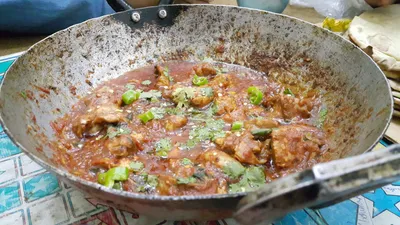
Why Is My Curry Oily? Oil Separation vs a Split Gravy
In many desi recipes, oil rising to the top is the signal to move on. A curdled yogurt gravy is a different problem. Here is how to tell them apart and fix both.
Why Is My Curry Too Sour? Tomato, Yogurt and Fixes
Sour curry usually traces back to one of four ingredients. Work out which one went in heavy, fix the pot tonight, and change one step next time.