 Degchi
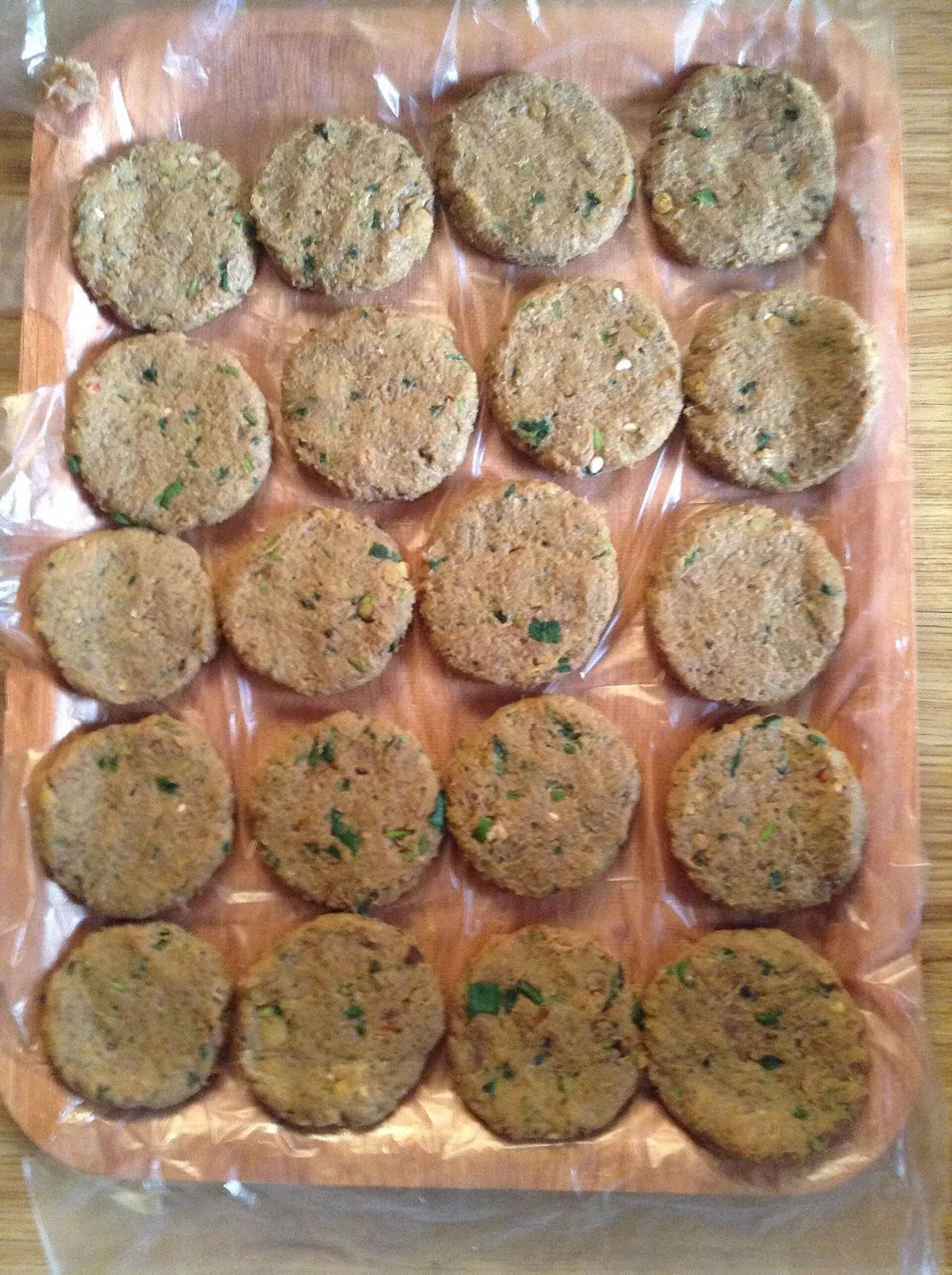
Dhungar Smoke at Home: Charcoal Trick for Kababs and Curries
The restaurant smell your kitchen is missing
You make a perfect shami kabab or a rich chicken qorma and it tastes good, but not like the one you remember from the restaurant with the faint, sweet smoke. That smell is often dhungar (also spelled dhunga or dhoongar): a small piece of burning charcoal placed in a bowl inside the covered pot, with a drop of ghee on top. The smoke is trapped in the vessel for a few minutes and coats the food.
It is a simple technique and entirely doable on a home stove. It also involves live charcoal in an enclosed space, so the safety part matters as much as the method.
What dhungar is, and what it is not
Dhungar is a flavouring step at the end of cooking. It is not cooking. The food is already done. The smoke adds an aroma that is hard to get any other way when you do not have a tandoor or grill.
It works best on foods that are moist and fatty enough to carry smoke: gravies like our chicken qorma, a pot of dal, yogurt dishes, and kababs such as shami or seekh. It works poorly on dry, crisp foods: smoke on a crisp chapli crust will make it soft.
What you need
- 1 piece of natural lump charcoal about the size of a golf ball, or a coconut-shell charcoal disc. Avoid quick-light briquettes with lighter fluid, which can taste of chemicals.
- Tongs and a stove burner or gas flame to light it.
- A small steel bowl or a piece of foil formed into a cup (or, for kababs, a hollowed onion half).
- 1/2 tsp ghee or oil.
- A pot or container with a tight lid.
- Ventilation: an open window and the extractor fan on.
<!-- VERIFY: the charcoal size and the avoidance of lighter-fluid briquettes are general advice, not from our recipe data. -->
Step by step
- Cook the dish fully. Take the pot off the heat. For a gravy, leave a small flat spot in the centre by pushing the gravy aside, or float the bowl directly on top of the gravy.
- Heat the charcoal with tongs over a gas flame, rotating, until it glows red and has grey ash on the surface. This usually takes 3 to 5 minutes on gas. On an electric hob, a few minutes directly on the coil, with care.
- Place the small bowl or foil cup in the centre of the pot, on top of the food.
- Set the glowing charcoal in the bowl with tongs.
- Pour 1/2 tsp ghee over the charcoal. It will smoke at once.
- Cover immediately with the lid and leave for 2 to 5 minutes. For a delicate dish, 2 minutes is plenty; for a strong, smoky result, 5.
- Remove the lid carefully, away from your face. Lift out the bowl and charcoal with tongs and put them in a metal pan or sink with water to extinguish completely.
- Stir the food gently and serve.
How long and how much
| Food | Smoke time | Notes |
|---|---|---|
| Qorma or gravy | 2 to 3 min | The fat in the gravy picks up smoke fast |
| Dal | 2 to 3 min | Mild; do not overdo it |
| Shami kababs (already fried) | 2 min, in a closed box | Put kababs in a lidded container, not stacked |
| Seekh kababs | 3 to 5 min | Their grilled flavour already includes some char |
<!-- VERIFY: these smoke times are common practice among home cooks, not tested by us; start short and add time. -->
If the dish tastes bitter or like an ashtray, the smoke was too long, or the charcoal was not properly ashed over. Next time use less time and less ghee.
Safety, which is not optional
Burning charcoal makes carbon monoxide, which cannot be seen or smelled, and the glowing piece stays hot long after it stops smoking.
- Use dhungar in a ventilated kitchen with a window open and the fan on. Never in a closed room.
- Do not leave burning charcoal unattended, and do not move the pot while the charcoal is lit.
- Use tongs, never fingers, and keep children and pets away.
- Put the used charcoal in water until it stops hissing, then discard it once cold.
- Do not use a plastic bowl, a thin foil cup on bare plastic, or any container that is not heat-safe.
- If you have a smoke or CO alarm, make sure it is working. If the alarm sounds, open the windows and leave the room.
- Do not use dhungar on a stove-top with a non-stick pot that cannot take the heat directly; put the bowl on the food and keep the charcoal away from coated surfaces.
If any of this does not suit your kitchen (flat in a closed building with weak ventilation, a baby in the house), skip it. A small drop of liquid smoke or a pinch of smoked paprika is a milder substitute, though not the same.
Substitutes that need no fire
- Smoked paprika, 1/4 tsp in the dish, gives some of the effect.
- Whole spices toasted in ghee, a cardamom pod or clove crushed and stirred in at the end.
- Kasuri methi (dried fenugreek leaves) crushed between the palms, added in the final minute, gives a deep, savoury aroma.
- A hot pan char on onion or tomato slices added at the end.
For ways to get a grill-like finish without a tandoor, our guide to chicken tikka without a tandoor covers the oven and pan options, and juicy seekh at home does the same for mince.
The mistakes that ruin dhungar
- Using unlit or half-lit charcoal, which smells of kerosene or lighter fluid.
- Smoking for 10 minutes, thinking more is better.
- Putting the charcoal directly on the food instead of in a bowl.
- Leaving the lid off, so the smoke escapes and the kitchen fills.
- Skipping the ventilation.
Try it once on a small batch
Pick a dish you already know. A small pot of qorma or a box of shami kababs is ideal: stored, reheated, then smoked for 2 minutes. Taste before and after to see whether you like it. If you keep your pantry and recipes in Degchi, a pantry check on the try-it page can tell you whether you have the ghee, spices and charcoal-free alternatives before you start.
Recipes with minced meat Recipes with ghee
Related recipes
Related posts
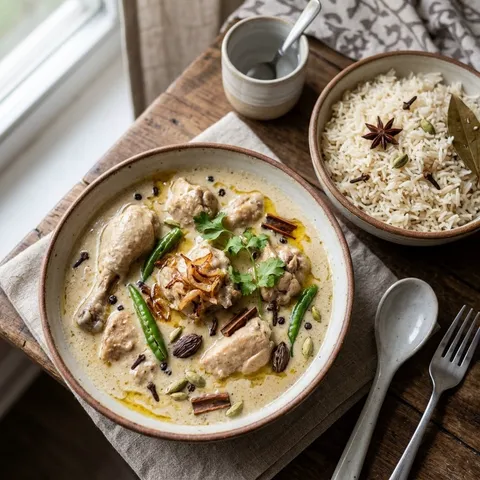
"Rezala vs Korma vs Qorma: Which Chicken Gravy?"
"Three pale-to-golden chicken gravies, three different onion methods. Here is how rezala, korma and qorma differ and which to cook for your guests."
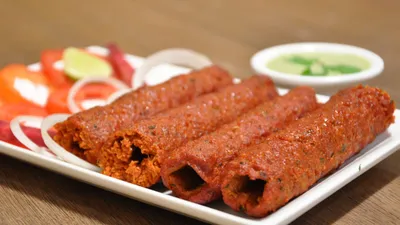
Oven, Pan or Grill: Which Method for Which Kabab
Three kababs, three right ways to cook them. Seekh grills in 10 to 12 minutes, chapli fries 4 to 5 minutes a side, shami shallow-fries 3 to 4. Here is the method map, with oven fixes.
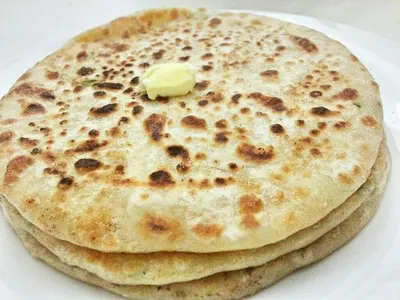
Desi Picnic Food That Travels: What to Pack and Keep Safe
A desi picnic works when each dish is chosen for how it behaves in a cooler bag. Parathas, tikka, kababs and dry chaat, with amounts and food-safety limits.
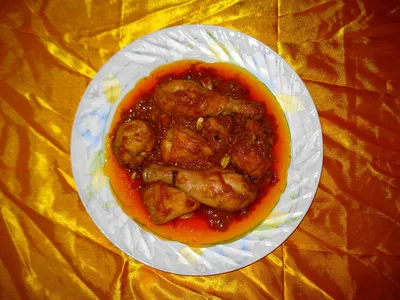
Why Does My Curry Curdle? Yogurt in Qorma and Korma
Grainy, separated yogurt gravy is almost always a heat or timing problem. Here is how to stop it in qorma and korma and what to do when it has already happened.