 Degchi
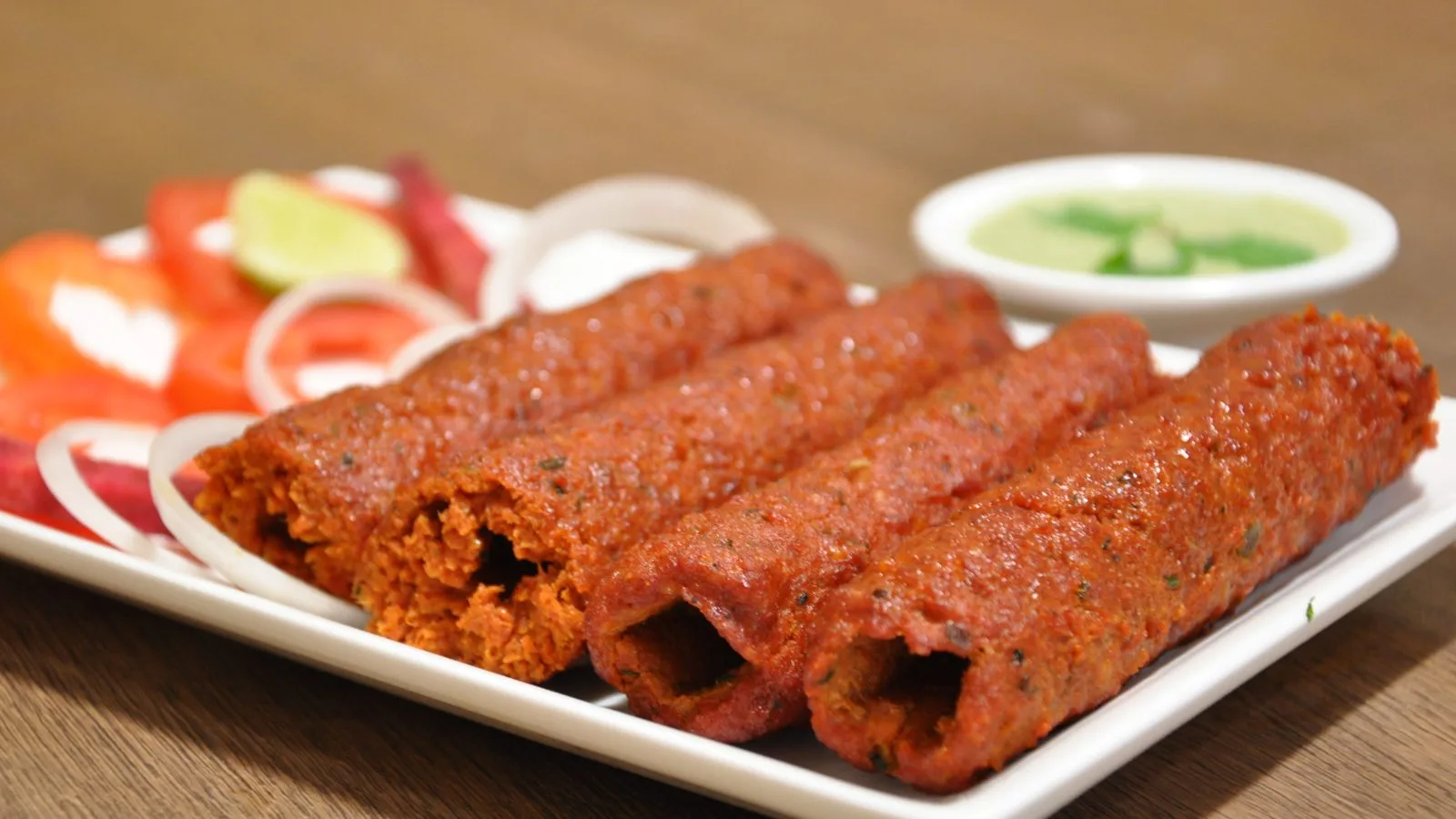
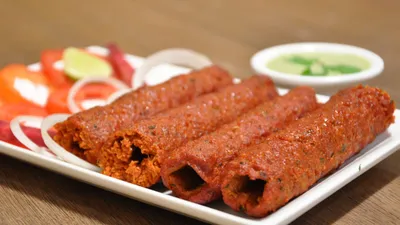
Photo: Dheerajk88 / CC BY-SA 4.0
Oven, Pan or Grill: Which Method for Which Kabab
The kabab was great, then the method wrecked it
Here is a familiar story. Someone puts shami kababs in the oven to avoid frying, and they come out dry, pale and cracked. Someone else tries chapli kababs on a grill rack and watches half of them drop between the bars. A third person fries seekh off the skewer in a pan and gets sausages that are fine, but not what they wanted.
Each of these kababs is designed around a particular method. The mixture, the shape and the binder all assume it. Use the wrong method and you fight the recipe. Below is a practical map based on the seekh, chapli and shami recipes in our library, with the best oven or pan substitutes where the original needs a grill.
The method map
| Kabab | Designed for | Time and heat from our recipe | Best home substitute |
|---|---|---|---|
| Seekh | Grill, skewered | 10 to 12 min, turning every 2 to 3 min | Oven broil: 3 to 4 min per side; or pan: 2 to 3 min per side, lid on |
| Chapli | Wide flat pan, shallow oil | 4 to 5 min per side, medium-low | Griddle (tawa); oven only as a finish |
| Shami | Shallow frying after egg dip | 3 to 4 min per side, medium | Air fryer or oven, with a light oil spray |
The pan and broil times for seekh come from the recipe's own note on cooking without a grill. The shami substitute is our suggestion, and it comes with compromises described below.
Seekh: the grill is worth borrowing
The seekh mixture is mince at 500 g (1.1 lb), kneaded for 4 to 5 minutes until sticky and tacky, then chilled for at least 45 minutes. It is shaped into 60 g portions around a flat skewer, about 2 cm thick and 12 to 15 cm long, then cooked for 10 to 12 minutes, turning every 2 to 3 minutes, until it reaches 74 C (165 F) inside.
That sticky, kneaded mixture is the reason it clings to a skewer. If you cook seekh off the skewer in a pan, you lose the char but keep most of the flavour. The recipe's tip says use a non-stick pan on medium-low for 2 to 3 minutes per side with the lid on, or broil 3 to 4 minutes per side. For the best texture in the oven, set the skewers across a tray so the kabab is not sitting in its own fat. More on this in our guide to juicy seekh at home without a tandoor and the choice of mince fat levels.
Chapli: it is a pan kabab, so do not fight it
The chapli mixture is deliberately looser. It contains chopped onion and tomato, crushed coriander seeds, cumin and pomegranate powder, and it is mixed gently, not kneaded. The patties are flat and thin, 10 to 12 cm wide and 1 cm thick. They would fall through grill bars.
A wide flat pan or tawa is the right tool. Heat the oil over medium-low until a pinch of mince sizzles, lay the kababs in tomato-side down, and leave them alone until a crust forms. Fry 4 to 5 minutes per side, pressing gently with a spatula, and work in two batches so the pan is not crowded.
Chapli in the oven is a compromise. If you must, fry them on the stove for a minute per side to build the crust, then transfer to a hot oven at 200 C (400 F) for 8 to 10 minutes. This is a mid-way adaptation rather than a tested recipe.
<!-- VERIFY: the 200 C oven finish for chapli (8 to 10 minutes) is our suggestion, not from the recipe data. -->
Shami: the one where the oven works least well
Shami kabab is different in kind. The mince and split chickpea lentils are boiled until soft, dried out completely over high heat, ground, shaped into patties 1.5 cm thick, chilled for 15 minutes, dipped in beaten egg and shallow-fried for 3 to 4 minutes per side in hot oil until golden.
The egg dip and the oil are what give the crisp, golden crust over the soft inside. In an oven, there is no oil to conduct heat, and the patty tends to dry. If you want to avoid frying, two fixes:
- Brush or spray the egg-dipped patties generously with oil and bake at 220 C (425 F) for about 15 minutes, turning once.
- Use an air fryer at 190 C (375 F) for 8 to 10 minutes, turning halfway.
Neither is the same as shallow frying, but both are acceptable for a weeknight. See also our air fryer kebab notes for what works and what stays soggy. If your shami keeps cracking, the cause is almost always moisture, covered in shami kabab falling apart: fixes.
<!-- VERIFY: the oven (220 C, 15 min) and air fryer (190 C, 8-10 min) settings for shami are our estimates, not from the recipe data. -->
Check doneness the same way every time
For the mince kababs, use a thermometer when you can: mince should reach 71 C (160 F), and the seekh recipe states 74 C (165 F) inside, which is a safe target. If you do not have a thermometer, look for juices running clear and a firm feel when pressed.
Which method for which mood
- You want char and smoke: seekh on a grill or under the broiler.
- You want crisp edges and a shallow-fried crunch: chapli in a wide pan.
- You want a soft inside and a golden crust, and have time: shami, fried.
- You want the least effort and the least oil: oven or air-fryer shami, with an oil spray, and accept a lighter crust.
For how the three differ in taste and texture before you choose, our guide to chapli, seekh and shami is the right companion. If you are cooking in advance, see how to freeze and reheat kebabs.
A shopping list for all three
- 500 g mince for seekh (with 15 to 20% fat, per the recipe tip)
- 500 g mince for chapli
- 500 g mutton and 100 g split chickpea lentils for shami
- Onions, green chillies, fresh coriander, ginger, garlic
- Tomatoes (chapli), eggs (shami), lemons, gram flour
- Flat skewers, a wide pan
Degchi can hold that list for you: add the dishes in the try-it page and see which ingredients you already own.
Related recipes
Related posts
What Can I Cook With Minced Meat (Keema)? 8 Dishes and Safe Handling
Minced meat is the fastest meat in the freezer. Eight dishes from our recipes, from a 40-minute shimla keema to chapli kabab, with safe temperatures and storage.
Dhungar Smoke at Home: Charcoal Trick for Kababs and Curries
A hot charcoal piece, a drop of ghee and a lid: that is dhungar. Here is how to smoke shami kababs and gravies at home for 2 to 5 minutes, and how to do it safely.
Chapli vs Seekh vs Shami Kabab: How They Differ
Three minced-meat kababs, three completely different ideas. A side-by-side guide to what goes in each and which suits your evening.
"Kebab Rolls at Home: Paratha Wraps That Don't Go Soggy"
"A kebab roll falls apart for three reasons: wet filling, thin bread, and no wrap. Fix all three and a Tuesday leftover becomes street food."