 Degchi
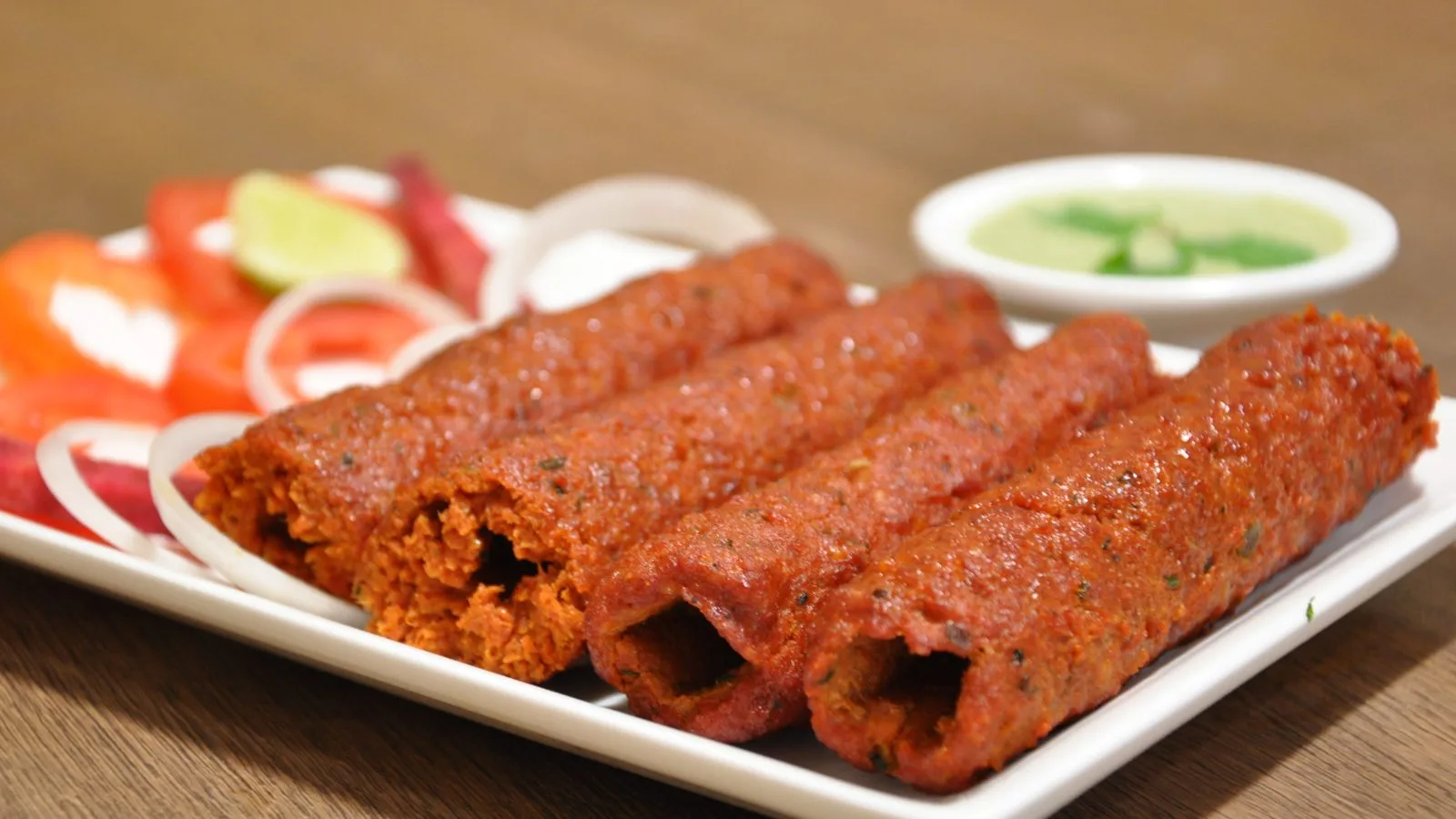
Photo: Dheerajk88 / CC BY-SA 4.0
Which Mince for Kebabs: Fat, Grind and Lean Fixes
The kabab recipe is perfect and the kabab is still dry. Nothing wrong with the spices, the salt or the grill. The problem was the packet of 5 percent fat mince you grabbed because it looked healthy.
Mince is the first ingredient and the one most people overlook. Here is how fat and grind change each kabab in our library, with fixes for when you cannot get what you want.
Fat: the 15 to 20 percent rule
Our seekh kabab recipe is direct about this: choose mince with 15 to 20 percent fat, because very lean beef turns dry and crumbly on the grill. The fat melts during cooking, bastes the meat from inside and carries the spice flavour.
At the supermarket, the label often reads something like "80/20" (80 percent lean, 20 percent fat) in the US, or lists fat per 100 g elsewhere. Aim for that range for seekh, chapli and any kabab cooked on a grill or pan. Mince that is 90 percent lean or more tends to be better in a shami kabab, where the meat is boiled first and then ground with chickpeas.
Grind: fine for seekh, coarse for chapli
| Kabab | Mince grind | Reason |
|---|---|---|
| Seekh | Fine, double-ground if possible | Needs to bind into a sausage that holds on a skewer |
| Chapli | Coarse | Gives the crumbly, textured bite |
| Shami | Boiled meat ground smooth | Binds with chickpeas |
| Bun kabab | Mince cooked with daal, then ground | Smooth, firm paste |
Seekh needs to be kneaded 4 to 5 minutes until sticky. Fine mince develops that stickiness more easily. Coarse mince for chapli does the opposite: it stays loose, which is why the chapli kabab recipe says keep it coarse and mix gently.
What to ask the butcher
- For seekh: "Beef mince, around 20 percent fat, ground twice."
- For chapli: "Beef mince, coarse, one grind."
- For a mix you can use for both: ask for one batch of 20 percent fat, ground once, and run half of it through a food processor for seekh.
Grinding at home is another route. Cut chilled meat and fat into 2 cm (3/4 in) cubes, freeze for 20 minutes, then pulse in a food processor in batches. Chilled meat grinds cleanly. Warm meat smears.
Beef, lamb, mutton or chicken
The fat advice changes with the meat. Lamb and mutton mince carry more fat and a stronger smell, so a bit of extra ginger and cumin helps. Chicken mince is usually very lean, so add fat or you will get a dry kabab. Chicken mince should reach 74 C (165 F), beef and mutton mince 71 C (160 F).
When the only option is lean mince
Our seekh recipe has a fix for this: if the mince is lean, work in a tablespoon of melted ghee or butter. For 500 g (1.1 lb), that is a good starting point. You can use up to 2 tablespoons if the meat is very lean.
Other fixes:
- Add grated onion, squeezed dry, as the recipes do. It adds moisture without making the mix wet.
- Brush with ghee in the last minute of cooking.
- Do not overcook. Lean meat has little room between juicy and dry.
- Add 1 to 2 tablespoons of yogurt to a very dry mix, but only if you can chill and firm it well afterwards. Excess liquid makes the kabab slide off the skewer.
- Use a thermometer. Pull the seekh at 74 C (165 F) if you want the safe figure from our recipe.
Storing mince before you cook
Keep mince in the coldest part of the fridge and cook it within a day of buying, or freeze it. Mince has more surface area than whole cuts, so it spoils faster. Flatten it into a thin slab in a freezer bag so it freezes quickly and thaws evenly in the fridge overnight. Chilled mince is also far easier to knead and shape, which helps every kabab on this list.
Mistakes with mince
- Buying lean because it looks tidy
- Using pre-seasoned mince, where you cannot control the salt
- Mixing warm mince with warm hands for too long
- Skipping the chill, so the mix is soft and hard to shape
- Freezing thick blocks that thaw unevenly
A simple test at the counter
Press the mince lightly through the wrap. White flecks scattered through the red mean there is visible fat, a good sign for seekh and chapli. A uniformly deep red, dry-looking block is usually very lean. If the butcher grinds to order, ask to see the fat on the cut before it goes in.
Quick buying list
- 500 g (1.1 lb) beef mince, 15 to 20 percent fat, for 8 to 10 seekh or 8 chapli
- 1 tablespoon ghee or butter, as insurance
- 1 onion, grated and squeezed dry
- A food processor or a very sharp knife if you want to grind your own
If the freezer is full and you cannot remember what mince you have, the Degchi pantry tool can keep a list of what is in stock. <!-- VERIFY: US "80/20" label convention; grinding chilled cubes in a food processor; chicken mince is usually very lean; extra yogurt in lean mix -->
Related recipes
Related posts
Umm Ali Recipe: How to Make It at Home in 40 Minutes
Umm Ali is a warm Egyptian bread pudding made from torn pastry, milk, nuts and cream. Here is our recipe, what each step is doing, and what to watch for.
How to Plan a Weekly Grocery Budget Around Pantry Staples
Budgets fail when they are a number with no plan behind it. This method starts with what you already own, builds the week from low-cost staples, and leaves room for one treat.

Halwa Puri Breakfast: A Sunday Plan Without the Chaos
Halwa puri is three dishes that all want to be hot at once. The trick is deciding which one waits and which one can't.
How to Use Mustard Oil in Cooking: A Plain Guide
Mustard oil smells sharp and does odd things when you pour it in cold. This guide covers heating it, using it raw, which of our recipes need it, and how to read the label on your bottle.