 Degchi
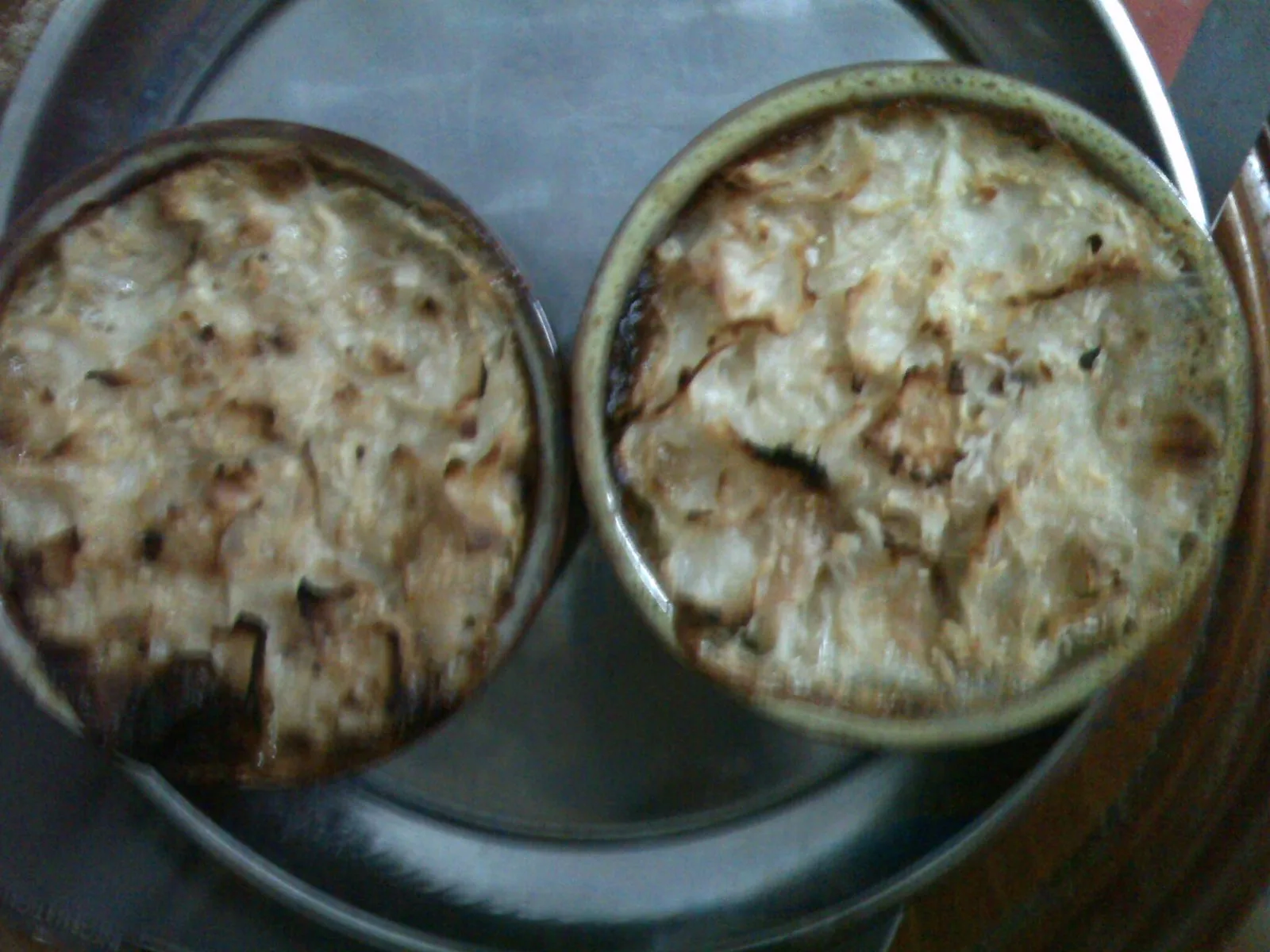
Umm Ali Recipe: How to Make It at Home in 40 Minutes
A few croissants have gone stale, there is milk in the fridge, and guests are coming. This umm ali recipe at home is built for that moment: torn pastry or bread, cardamom-sweet milk, a pour of cream and a handful of nuts, baked until the top is golden. It takes about 40 minutes.
Our Umm Ali recipe serves 4 and is rated Easy. It contains no eggs, which is worth knowing if that matters at your table.
What goes in
- 150 g (5 oz) puff pastry sheets, or stale croissants or bread, torn
- 800 ml (3.3 cups) milk
- 100 ml (0.4 cup) cream
- 100 g (0.5 cup) sugar
- 4 tbsp mixed nuts and raisins
- 3 cardamom pods
That is a lot of milk for 150 g of pastry, and it is meant to be. The pastry soaks and bakes into a soft pudding, not a crisp tart.
What is umm ali, and where does it come from?
Wikipedia describes Om Ali, also spelled Umm Ali, as a traditional Egyptian dessert, often called a national dessert and commonly eaten during Ramadan at iftar. It is usually made from pastry or bread broken into pieces and mixed with nuts, raisins and sugar, with milk (sometimes cream) poured over and a topping of cinnamon, then baked until golden.
The origin story you will hear most often links it to the 1257 death of Shajar al-Durr and a queen named Om Ali. The same article says there is no historical evidence connecting the dessert to that legend, and that the first known recipe dates to the 19th century. Enjoy the story, but do not repeat it as history.
It is often compared to bread and butter pudding, though that dish includes eggs. Ours does not.
Wikipedia lists coconut and pistachios among the typical additions. Our recipe uses mixed nuts and raisins and has no coconut or cinnamon in its ingredient list, so it is a simpler version. Add them if you like; they are not part of our data.
The umm ali recipe step by step
- Spread the pastry. Tear it into pieces and spread them evenly in a baking dish.
- Scatter the nuts. Put most of the nuts and raisins over the pastry. Save a few for the top.
- Warm the milk. Heat the milk with the sugar and cardamom for about 5 minutes, until the sugar dissolves.
- Pour evenly. Pour the warm milk over the pastry so every piece is wet.
- Add cream and nuts. Drizzle the cream over the top and scatter the remaining nuts.
- Bake. Preheat the oven to 190 C and bake for about 20 minutes, until golden on top.
- Serve warm, straight from the dish.
Two details in that list matter. The sugar should be fully dissolved before the milk goes on, so it does not sit in grains at the bottom. And the pour should be even, because dry corners stay chewy.
Pastry, croissants or bread
Our recipe accepts all three. Here is how we would think about each, as editor's opinion rather than test data:
| Base | What to expect |
|---|---|
| Puff pastry sheets | The classic layered look; the tops crisp as they bake |
| Stale croissants | Rich, buttery, and good for using up leftovers |
| Stale bread | Soaks fastest and gives the most pudding-like result |
Whichever you use, tear rather than cut. Ragged edges brown better. Fresh, soft bread will go to mush faster than stale, so give it a few hours to dry out if you can.
Making it ahead
The recipe is written to go from assembly to oven. If you want to prepare in advance, the safest split is to tear the pastry and mix the nuts earlier, then warm the milk, pour and bake just before serving. We have not tested assembling the whole dish and holding it, so treat that as a suggestion. Pastry left sitting in milk for a long time will soften more than the recipe intends.
How to know it is done
The recipe gives you one signal: golden on top, after about 20 minutes at 190 C. Look at the edges and the centre. The edges should have pulled slightly away or darkened, and the centre should have a gentle wobble rather than a pool of liquid. Ovens vary; the recipe's 20 minutes is a starting point, not a guarantee.
Hot or cold
Wikipedia says it can be eaten hot or cold. Our recipe says serve warm. We agree with warm: the milk and cream are most soft right out of the oven, and the nuts on top are still crisp. Leftovers keep in the fridge and are fine cold, though you may prefer them reheated briefly.
Make it a dessert table
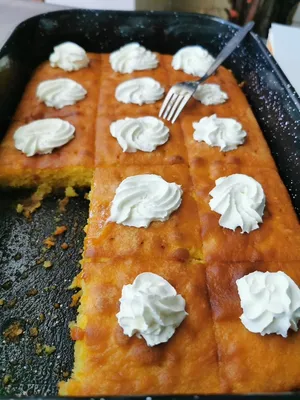
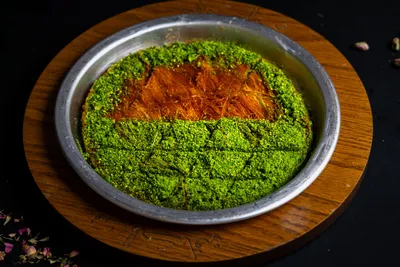
Basbousa and kunafa share the same Gulf dessert world, and kheer is a milk-based pudding on the South Asian side. A small cup of Arabic coffee (gahwa) pairs well. For Ramadan planning, see our Eid and Ramadan family meal planning guide.
If it goes wrong
- Soggy at the bottom: use less milk next time, or a drier base.
- Gritty: the sugar did not dissolve. Stir the milk until it is clear before pouring.
- Pale top: bake a few minutes longer, or add a few nuts to the top.
- Too sweet: cut the sugar to 75 g (a little over 1/3 cup).
Degchi's recipe page shows these amounts in metric and US cups with a servings scaler and timers for the warming and baking steps; the pantry check at degchi.matrixinn.net/#try shows whether you already have what you need.
Related recipes
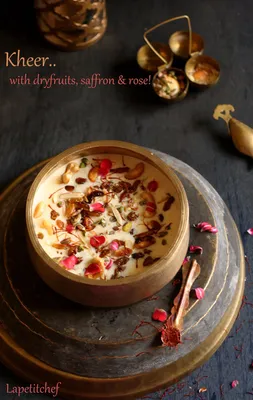

Related posts
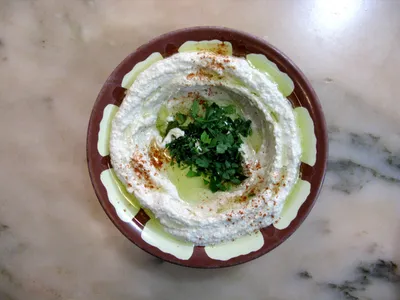
Smooth Hummus at Home: Why Yours Is Grainy
Grainy hummus is usually a skin problem and a water problem. Three small changes from our recipe get you the pale, fluffy kind.
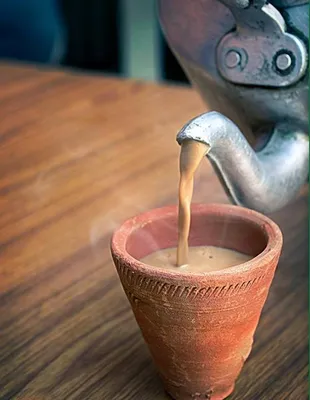
How to Make Masala Chai at Home (and How It Differs from Karak)
Masala chai is spiced milk tea boiled on the stove. Here is a method that releases more flavour from the spices, and how it differs from doodh patti and Gulf karak chai.
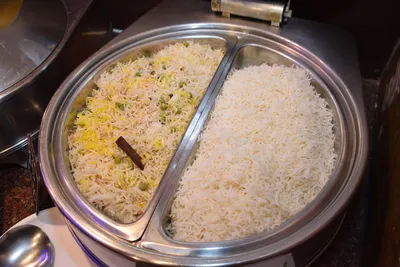
Cooling, Storing and Reheating Rice and Daal Safely
Leftover rice and daal are the backbone of desi meal prep. A few simple habits keep them safe to eat.
What to Cook Tonight When Everyone Says "Anything"
The most common answer to "what should I cook?" is "anything", and then nobody likes what you make. Six decision rules that end the 5 pm standoff in two minutes.