 Degchi
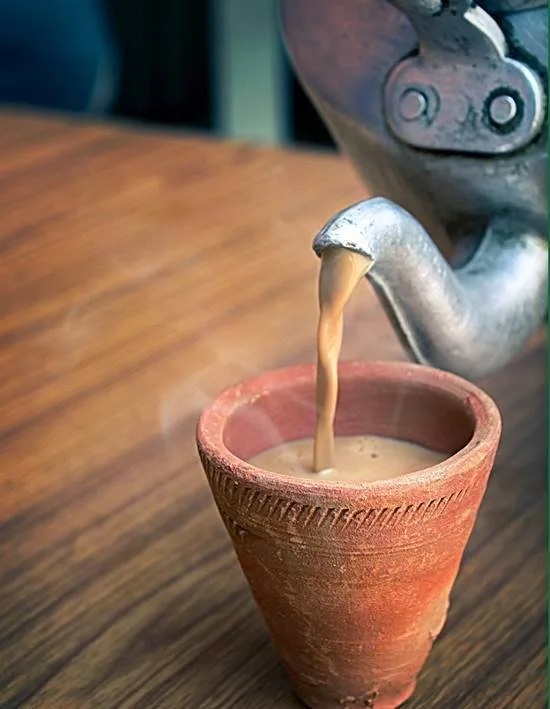
How to Make Masala Chai at Home (and How It Differs from Karak)
What masala chai is
Masala chai means "mixed-spice tea". It is black tea boiled with milk, sugar and a handful of warming spices, usually cardamom, ginger and cinnamon, often with cloves. It is the everyday tea of India, and it is made at home and by roadside vendors called chaiwalas.
One quick vocabulary note: "chai" already means tea, so "chai tea" is technically "tea tea". Wikipedia says the word comes from the Chinese word for tea, via Hindi.
A brief history, kept honest
Wikipedia gives this outline. Tea was introduced to India by the British, who wanted to reduce reliance on Chinese tea and developed plantations in India and Ceylon. Indians had historically thought of tea more as medicine than a daily drink, and domestic consumption stayed low until the early twentieth century, when the Indian Tea Association promoted tea to factory, mill and mine workers. The Association is said to have disliked vendors adding spices, milk and extra sugar, because it stretched the tea leaves, but the spiced version became popular anyway.
Some of those details rest on weaker sources, and the article itself is flagged for needing more citations. We would treat the broad story as reasonable and avoid quoting precise dates or market shares.
What goes in
Our masala chai recipe serves 2:
- 300 ml (1 1/4 cups) water
- 300 ml (1 1/3 cups) milk
- 2 tsp loose black tea leaves
- 1 tsp crushed ginger
- 3 cardamom pods, crushed
- 1 small cinnamon stick
- 2 cloves
- 2 tbsp sugar, to taste
Use strong CTC or Assam tea leaves. CTC stands for "crush, tear, curl", a processing style that gives small, dense granules which brew dark and fast. Delicate teas such as Darjeeling or a green tea get lost under milk and spice.
The method that works
- Crush the ginger and cardamom pods lightly in a mortar so they release their aroma. A rolling pin works too.
- Boil the spices first. Bring the water to a boil with the ginger, cardamom, cinnamon and cloves, and simmer 4 minutes until the water smells strongly of spice.
- Add the tea leaves and simmer 2 minutes, until the water turns a deep reddish brown.
- Add the milk and sugar. Bring it to the boil over medium heat, stirring. Watch the pan. When the foam rises to the rim, lower the heat so it does not boil over.
- Simmer 3 minutes on low, until rich and creamy. Simmer longer for a stronger chai.
- Strain through a fine sieve into cups and serve piping hot.
Our recipe notes explain why step 2 comes first: boiling the whole spices in water before adding tea draws out much more of their flavour than adding everything together. Wikipedia describes the basic method the same way, simmering spices in water, adding tea, then milk.
Adjusting it to your taste
- Stronger: more tea and less milk, or a longer simmer.
- Milder: more milk, less tea.
- Spicier: a bit more ginger. Fresh ginger is far better than powder here.
- Dairy-free: we have not tested plant milks in this recipe, so we cannot promise the texture. Oat milk is the one many people try first.
Common mistake from our notes: boiling the tea too long after the milk goes in turns it bitter.
Make-ahead chai masala
If mornings are rushed, grind a jar of dry chai masala using cardamom, ginger powder, cinnamon and cloves, and add a pinch per cup. In summer, a few mint leaves go in with the milk. Whole spices stay fresh longest, so grind in small batches.
Masala chai, doodh patti and karak
These three get confused:
| Masala chai | Doodh patti | Karak chai | |
|---|---|---|---|
| Typical place | India | Pakistan | The Gulf |
| Liquid | Water, then milk | Mostly milk | Water, then evaporated or regular milk |
| Spice | Ginger, cardamom, cinnamon, cloves | Cardamom, sometimes ginger | Cardamom |
| Character | Spiced and balanced | Rich and creamy | Strong, sweet, frothy |
Our doodh patti chai boils tea leaves directly in 500 ml of milk with cardamom, with 3 tbsp sugar for 2 cups. Our karak chai boils 2 tbsp tea leaves and 4 crushed cardamom pods in 400 ml water, then adds 200 ml evaporated or regular milk and 3 tbsp sugar, boiled hard until it rises and falls a few times. The recipe description says it was brought to the Gulf by South Asian communities. These are regional tendencies, not rules, and every household does its own thing.
Water, milk and the pan
A small saucepan with a wide base lets the tea boil hard without climbing out. Because the volume is small, it only takes a minute of inattention for the foam to reach the rim, so stay at the stove for the milk stage. Use whole milk for the creamiest cup. Many households simply use whatever milk is in the fridge, and the tea is still good, just a little thinner.
Chai that tastes flat or boils over
- Weak, pale tea. Not enough leaves, or you skipped the water stage. Brew the tea in water before the milk.
- Bitter. Over-boiled after the milk, or too many leaves for the water.
- Skin and scum. Normal with boiled milk. Strain it out.
- Boil-over. Use a pan larger than you think you need and lower the heat the second foam climbs.
Setting the simmer timers
The simmer steps have timers in the recipe, and amounts show in metric and US with a servings scaler. The app is free and in closed beta. Join the beta if you would like to try it, or browse the full recipe library first.
Related recipes
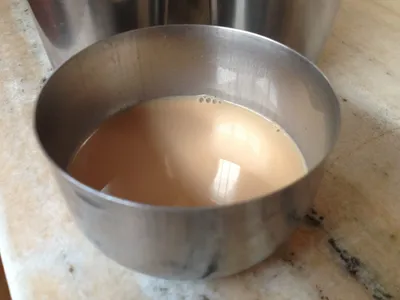
Related posts
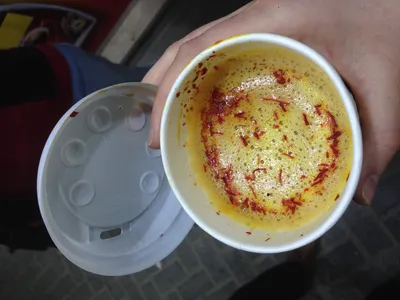
Why Is My Chai Bitter or Watery? Fixes That Work
Bitter, watery, pale or grassy: every bad cup of chai has a cause you can name. Here is how to read the cup and fix the next one.
Chai Colour Guide: What Amber, Red-Brown and Pink Mean
The colour of a cup of chai tells you which tradition you are in and whether the boil went right. A guide to amber, red-brown, pale beige and pink, with the clues from our recipes.
How to Make Karak Chai Stronger (or Milder) Without Bitterness
Strong chai and bitter chai are not the same thing. Four dials control strength: tea per cup, water, boil time and the milk. Here is how to turn each one, with numbers from three recipes.
Hot Drinks for a Cold Evening: Chai, Gahwa, Sahlab and More
Six warm drinks from South Asia and the Gulf, how long each takes, what makes them different, and which one suits a quiet night, a guest or a crowd.