 Degchi
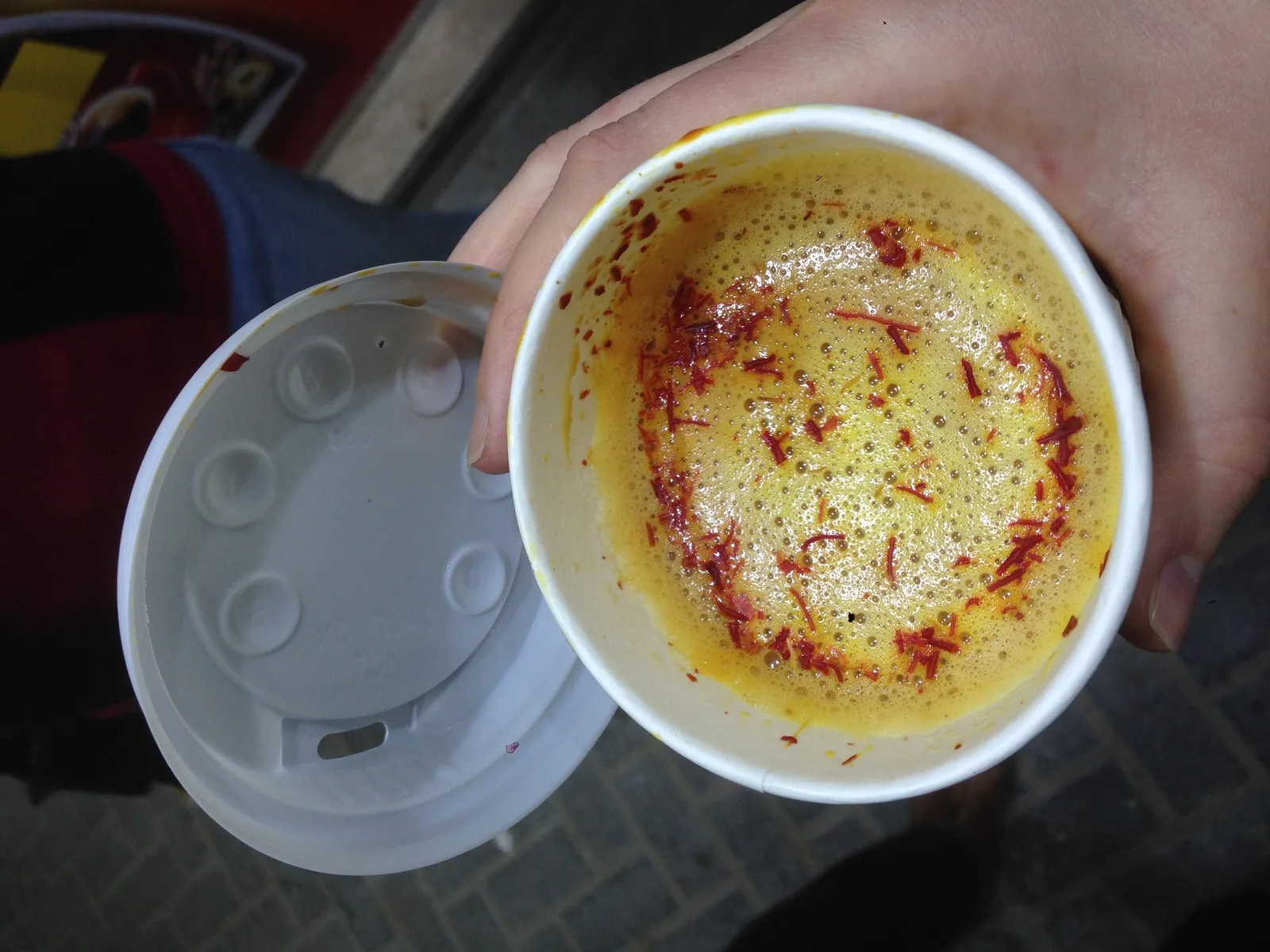
Photo: Carole Marxer / CC BY-SA 4.0
How to Make Karak Chai Stronger (or Milder) Without Bitterness
Strong is a choice, bitter is a mistake
Someone says "make it karak" and you add three more spoons of tea. The cup comes out dark, then harsh, then somehow still thin in the middle. Strength is not one setting. You can have a cup that is deep amber and smooth, or one that is dark and rasping, and the difference is almost never how much tea you used. It is when the tea met the milk and how long it stayed hot afterwards.
If you want to know how to make karak chai stronger, the useful move is to stop treating it as one knob. There are four, and each one does something different. Our karak chai recipe is the baseline here: 2 tablespoons of tea leaves, 400 ml (1 2/3 cups) of water, 200 ml (0.8 cup) of evaporated or whole milk, 4 crushed cardamom pods and 3 tablespoons of sugar, for 4 small glasses.
Where three recipes sit today
Before changing anything, it helps to see how much tea the recipes in our library actually use. The ratios below are worked out from the recipe pages.
| Recipe | Tea | Liquid | Tea per 100 ml of liquid | Servings |
|---|---|---|---|---|
| Karak chai | 2 tbsp | 400 ml water + 200 ml milk | about 1 tsp | 4 |
| Doodh patti | 2 tbsp | 500 ml milk only | about 1.2 tsp | 2 |
| Masala chai | 2 tsp | 300 ml water + 300 ml milk | about 1/3 tsp | 2 |
(Tablespoons converted at 3 teaspoons each. The per-100 ml figure is simple division, so treat it as a comparison, not a standard.)
Two things jump out. Karak is not the most concentrated cup on the list; doodh patti packs more tea into less liquid and serves only two. And masala chai uses a third of the tea, because the ginger and cardamom carry part of the flavour. "Strong" means different things in each tradition.
Dial one: tea per cup
This is the obvious one and the weakest. Going from 2 tablespoons to 3 in the karak recipe raises the tea per 100 ml from about 1 tsp to about 1.5 tsp. You get more colour and more grip on the tongue. You also get more of everything harsh, because more leaf means more of the compounds that make tea astringent.
Add tea in small steps: one extra teaspoon per pot, not one extra spoon. If the tea is CTC (the small, hard pellets sold as chai patti), it gives up colour fast, so you need less than you think. For more on leaf types, see CTC vs loose leaf vs tea bags.
Dial two: water before the milk
The karak method boils the water first, with cardamom for 2 minutes, then the tea leaves for 3 more, before any milk goes in. That 3-minute window is where the colour is made. The recipe says to boil "until the water turns deep red-brown". If you want a stronger cup, give that stage another minute, not the milk stage.
Why? Because milk changes how the tea tastes in the mouth. Tea boiled in plain water for 4 minutes tastes strong and clean once milk is added. Tea boiled in milk for 4 extra minutes tends to taste cooked. <!-- VERIFY: general tea-making guidance that prolonged boiling after milk emphasises bitterness; our masala chai recipe states the same ("boiling the tea for too long after the milk goes in turns it bitter"). -->
You can also use less water. Cutting the 400 ml to 300 ml reduces the volume you have to colour, so the same 2 tablespoons make a darker base. The cup is smaller, though, so you may want to cut the milk too.
Dial three: boil time after the milk
The recipe gives 5 minutes after the milk and sugar go in, "letting it rise and fall a few times". That rising and falling is the point. Each time the foam climbs, you lower the heat for a few seconds, then let it climb again. It cooks the milk slightly and thickens the body of the tea.
Past about 5 minutes you start to lose the balance. The masala chai recipe has a useful note on this: a simmer of 3 minutes after the milk is enough, and "simmer longer for a stronger chai" is the upper limit, not a target. If your karak tastes bitter, shorten this stage by a minute before you reduce the tea.
Dial four: the milk itself
Evaporated milk is why Gulf karak is thick and a little sweet-tasting before the sugar goes in. Our recipe allows either evaporated or regular whole milk. Whole milk gives a lighter, cleaner cup; evaporated milk gives a rounder, almost caramel one and pushes the colour toward a deeper amber.
If you want it milder for guests, keep the tea the same and raise the milk. Going from 200 ml to 300 ml of milk, with the same 400 ml of water, drops the tea concentration noticeably while keeping the body.
The stronger and the milder cup, side by side
| You want | Change this | Leave this alone |
|---|---|---|
| Darker, stronger | +1 tsp tea; extra 1 minute in the water stage | Milk stage at 5 minutes |
| Thicker, more body | Swap whole milk for evaporated | Tea amount |
| Gentler for guests | Milk up to 300 ml; tea down to 5 tsp | Cardamom |
| Strong but not harsh | Less water (300 ml) and a slightly shorter milk stage | Sugar |
| Standard karak | Recipe as written | Everything |
<!-- VERIFY: the adjustments in this table are rules of thumb built from the recipe amounts, not tested variants. -->
Three things that make any cup taste harsher
First, tea that has been sitting open for months. Old leaf tastes flat, and people compensate with extra spoons, which brings the bitterness with it. Second, a pot that is too small: the milk climbs, you panic, and you pull it off and on the heat, which stews the tea. Use a pot at least three times the volume of the liquid. Third, straining too late. Pour it as soon as the final boil finishes; leaves left sitting in the pot keep extracting.
If you want a deeper fix guide, why is my chai bitter or watery goes through each failure one by one.
A tasting plan for the weekend
Make the recipe as written on Saturday and note how it tastes. On Sunday, change only one dial: add the extra teaspoon of tea. On Monday, put the tea back and add the extra minute in the water stage instead. Three cups, three clear comparisons, and you will know which dial your own household responds to. If you track your pantry in Degchi, the tea and cardamom show as a staple, so you can see when a refill is due on the try it page.
Related recipes
Related posts
Chai Colour Guide: What Amber, Red-Brown and Pink Mean
The colour of a cup of chai tells you which tradition you are in and whether the boil went right. A guide to amber, red-brown, pale beige and pink, with the clues from our recipes.
Hot Drinks for a Cold Evening: Chai, Gahwa, Sahlab and More
Six warm drinks from South Asia and the Gulf, how long each takes, what makes them different, and which one suits a quiet night, a guest or a crowd.
How to Make Masala Chai at Home (and How It Differs from Karak)
Masala chai is spiced milk tea boiled on the stove. Here is a method that releases more flavour from the spices, and how it differs from doodh patti and Gulf karak chai.
Karak Chai vs Doodh Patti: What's the Difference?
Both are strong milk tea boiled hard. The split is where the water goes: karak chai builds on water, doodh patti on milk alone. Here are the numbers.