 Degchi
Photo: Carole Marxer / CC BY-SA 4.0
Why Is My Chai Bitter or Watery? Fixes That Work
Taste the cup first, then fix the pot
You pour the chai, take a sip, and your face does something. Either it hits the back of the tongue and leaves that dry, puckering feeling, or it tastes like warm sweet milk with a rumour of tea. Both are fixable, but not with the same fix. So start by naming what you taste.
This post is a symptom list. Find your cup below, change one thing, and brew again. If you want the base numbers first, the chai ratio cheat sheet has the water, milk and tea amounts per cup.
Why is my chai bitter?
Bitterness and a dry, mouth-coating feeling come from the tannins in tea leaves. Tannins come out the longer the leaves sit in hot liquid and the more leaf there is. Three habits cause most bitter chai.
- Boiling the leaves for too long in plain water. A hard boil past about 3 to 4 minutes before the milk goes in pulls out more tannin than most people enjoy. <!-- VERIFY: 3 to 4 minutes is a rule of thumb for CTC tea in a stovetop pot, not a lab figure -->
- Too much tea for the water. A heaped teaspoon per cup is a fair start. Two heaped teaspoons per cup is strong chai for people who like it dark, but it turns bitter if the boil is also long.
- Reboiling the pot. Chai that sat for 20 minutes and is boiled again tastes harsher every time. Make it fresh, or hold it hot without boiling.
The one-line fix: shorten the water-and-leaf stage, add the milk earlier, and take the pot off once it rises to the rim twice. Bring it to the edge of overflowing, drop the flame, let it fall, then bring it up once more. That is a full cup's worth of strength for most households.
Why is my chai watery or pale?
Watery chai usually has one of two problems: too little tea, or too much water against the milk.
- Water to milk. A 1:1 ratio of water to milk is a normal desi base. If you use 2 parts water to 1 part milk, the cup will look pale no matter how long you boil. Move toward more milk, not more boiling.
- Milk fat. Skim and 1 percent milk give a thinner body. Whole milk or a spoon of full-cream powder makes a rounder cup. Buffalo milk, common in Pakistan and North India, is richer than most cow milk and makes the thickest "doodh patti".
- Tea that is old. Tea that has sat open for months loses its colour and aroma, and the cup comes out beige. Keep it in a sealed tin, away from the stove. <!-- VERIFY: shelf-life of opened black tea; commonly quoted as 6 to 12 months for best flavour -->
Fix order: add milk, then add tea, and only then add boiling time.
Why does my chai taste flat even though it is strong?
Dark but dull. This is almost always sugar and salt, not tea.
- Sugar timing. Adding sugar at the end gives a sweet surface and a hollow middle. Add it with the milk so it dissolves into the whole pot.
- A pinch of salt. A very small pinch, less than 1/8 teaspoon for four cups, softens bitterness and makes the tea taste fuller. It should be impossible to taste as salt.
- Missing spice. Without cardamom or ginger, plain strong tea can taste one-note. Two crushed green cardamom pods per two cups, or a thumb-sized piece (about 2 cm or 3/4 inch) of crushed ginger, changes the whole cup. The masala chai recipe shows a balanced spice amount.
Why does my chai taste raw or grassy?
That fresh-cut-grass taste means the tea leaves did not get enough time in the heat. It happens when the milk goes in too early and the pot never gets a proper boil, or when the flame is too low and the leaves only warm up.
The fix is simple. Boil the water and leaves hard for a full 2 minutes before adding milk. You should see the water turn deep orange-brown. Only then add the milk.
Why does my chai have a skin, or look split?
Milk can form a skin on the top of a pot left sitting. That is just protein and fat, and a stir fixes it. Real curdling, with tiny flakes, is a different problem.
- Old milk. Milk that is close to souring will split in hot tea. If it has even a slight sour smell, do not use it for chai.
- Acid with milk. Lemon, or sour tea mixed with milk, will split. For lemon tea, skip the milk completely.
- Cold ginger shock. A lot of fresh ginger added straight to milk on a hot pot can also split it. Add the ginger to the water first, and milk after.
If the milk is clearly sour, throw it out. Do not rescue it with more sugar.
A quick troubleshooting table
| What you taste | Likely cause | One change |
|---|---|---|
| Bitter, dry mouth | Too much leaf or too long a boil | Cut water-and-leaf stage to 2 minutes |
| Pale, thin | Too much water, or low-fat milk | Use equal water and milk, or more milk |
| Dark but dull | No sugar in the pot, no spice | Add sugar with the milk, add cardamom |
| Raw, grassy | Leaves undercooked | Boil leaves 2 minutes before milk |
| Flakes or curds | Old milk or acid | Use fresh milk, skip lemon |
| Harsher with every reheating | Reboiled chai | Make fresh, or hold off the boil |
What about CTC, loose leaf and tea bags?
The type of tea changes the numbers. CTC granules (tiny rolled pellets) release flavour fast and suit a hard stovetop boil. Whole leaf teas are gentler and turn bitter more slowly in some cases, but need more leaf for the same colour. Tea bags usually hold fine tea dust that infuses quickly, so a long boil is the fastest road to bitterness. Our post on which tea works for desi chai goes through each type.
A fix-it plan for tomorrow morning
For two cups, try this exact sequence once, and taste.
- 1 cup (240 ml) water into a small pot, with 2 crushed cardamom pods and a 2 cm piece of ginger.
- Bring to a boil, then add 2 heaped teaspoons of tea. Boil hard for 2 minutes.
- Add 1 cup (240 ml) of whole milk and 2 teaspoons of sugar.
- When it rises to the rim, lower the flame, let it settle, and bring it up once more.
- Strain and taste before adding anything.
Change only one number the next day: more tea, or less water. Chai is forgiving once you know which dial you turned. If you want to see which tea and milk staples your kitchen already has before you plan the week's meals, Degchi's pantry demo works without signing up.
Related recipes
Related posts
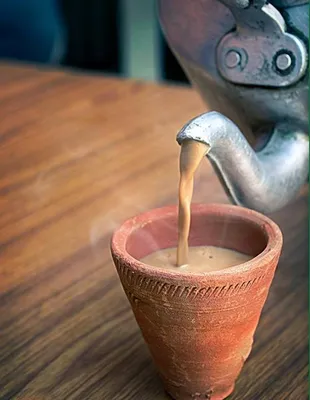
Chai Colour Guide: What Amber, Red-Brown and Pink Mean
The colour of a cup of chai tells you which tradition you are in and whether the boil went right. A guide to amber, red-brown, pale beige and pink, with the clues from our recipes.
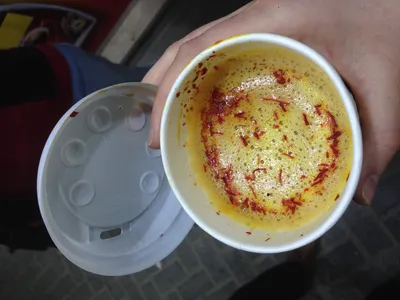
Hot Drinks for a Cold Evening: Chai, Gahwa, Sahlab and More
Six warm drinks from South Asia and the Gulf, how long each takes, what makes them different, and which one suits a quiet night, a guest or a crowd.
How to Make Karak Chai Stronger (or Milder) Without Bitterness
Strong chai and bitter chai are not the same thing. Four dials control strength: tea per cup, water, boil time and the milk. Here is how to turn each one, with numbers from three recipes.
How to Make Masala Chai at Home (and How It Differs from Karak)
Masala chai is spiced milk tea boiled on the stove. Here is a method that releases more flavour from the spices, and how it differs from doodh patti and Gulf karak chai.