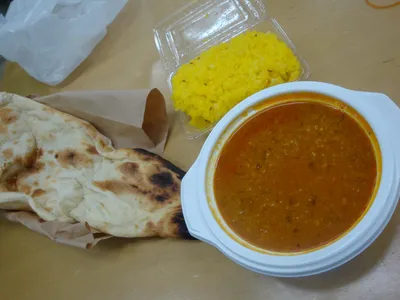
 Degchi
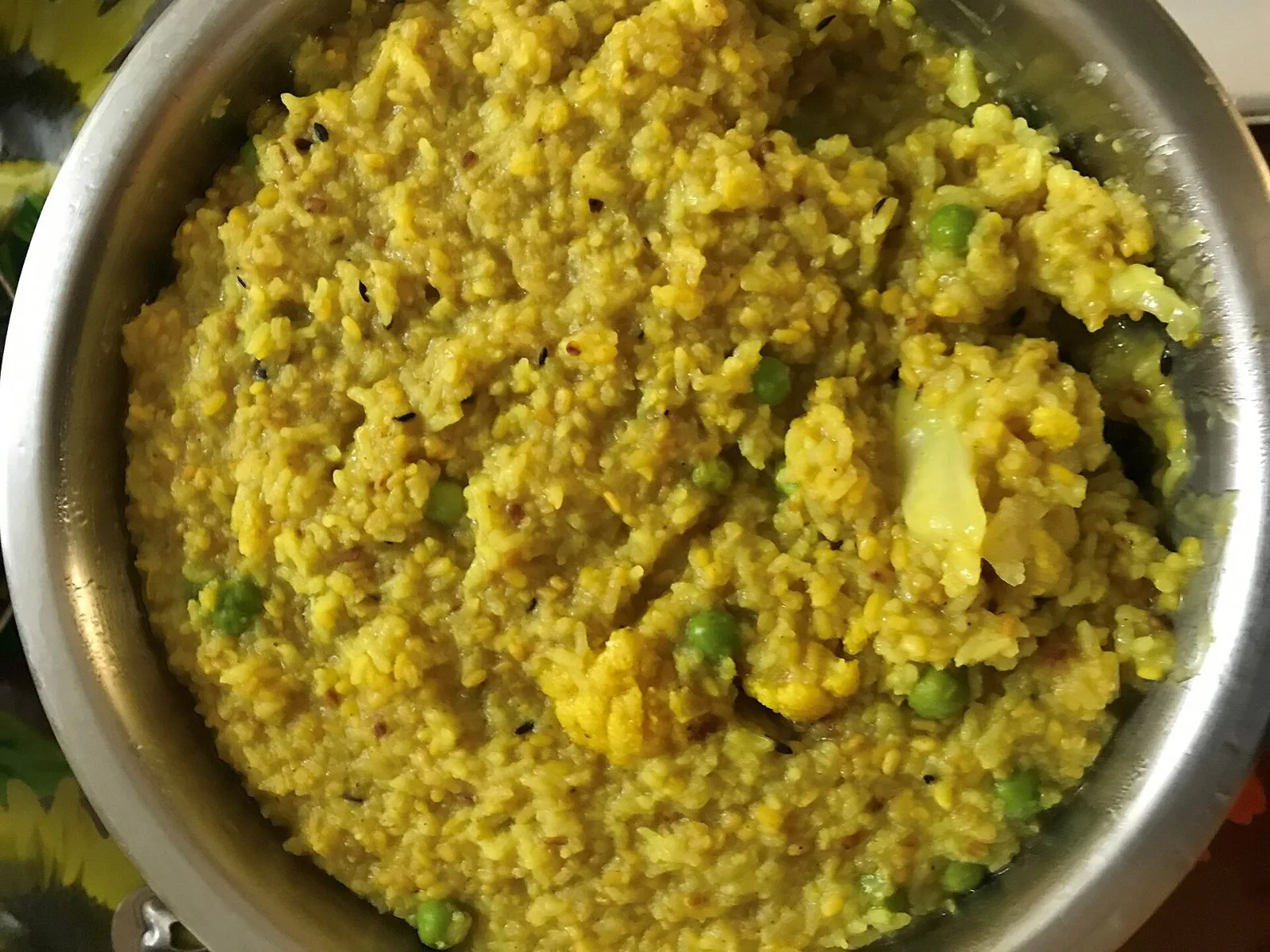
Photo: Rajeeb Dutta / CC BY-SA 4.0
How to Plan a Weekly Grocery Budget Around Pantry Staples
Why we are not giving you a number
Food prices vary by city, country and month, and a made-up "budget for a family of four" would be wrong for most readers. Instead, here is a method you can use with your own receipts.
Step 1: Find your real number
Take the last four weeks of grocery receipts or bank entries. Add them up and divide by 4. That is your current weekly spend. Your first goal is not to cut it, but to see it.
Step 2: Start from what you have
Before you write a list, check the pantry. Rice, lentils, flour, oil, spices and tinned tomatoes often cover half a week of dinners. Degchi's pantry tracks items as "have", "low" or "out", and the shopping list is built from the ones that are low or out.
Step 3: Build dinners from low-cost staples
Lentils, beans, rice, eggs, potatoes and seasonal vegetables are usually the cheapest filling foods in most countries, though local prices differ. Here are dishes from our library built around them:
- Khichdi: rice and lentils in one pot. 10 minutes of prep, 30 of cooking, serves 4.
- Daal: 15 minutes of prep and 30 of cooking, serves 4.
- Chana daal: 15 minutes of prep and 45 of cooking, serves 4.
- Aloo gobi: potato and cauliflower, 15 minutes of prep and 25 of cooking, serves 4.
- Egg curry: 10 minutes of prep and 30 of cooking, serves 4.
- Matar pulao: rice and peas, 25 minutes of prep and 30 of cooking, serves 4.
Step 4: A sample week
| Day | Dinner | Why it saves money |
|---|---|---|
| Mon | Khichdi and yogurt | One pot, pantry staples |
| Tue | Egg curry and rice | Eggs are a low-cost protein |
| Wed | Daal and flatbread | Lentils stretch far |
| Thu | Aloo gobi and rice | Seasonal vegetables |
| Fri | Treat night (chicken or fish) | Plan for it, do not skip it |
| Sat | Matar pulao and raita | Uses leftover rice stock |
| Sun | Use-up night | Clear the fridge |
Meat on one or two nights, not every night, is the biggest lever for many families. It is your call. Plans that feel like punishment get dropped.
Cooking amounts that avoid waste
Cooking too much is a quiet way to overspend. Rough guidelines for cooked portions per adult:
- Rice: about 3/4 cup cooked, which comes from roughly 1/3 cup (65 g) of dry rice.
- Lentils: about 1/2 cup (100 g) dry for a family of four makes a generous daal when served with rice or bread.
- Meat or chicken: around 100 to 150 g (3.5 to 5 oz) per person, with beans, lentils or vegetables making up the rest of the plate.
- Potatoes and vegetables: about 200 g (7 oz) per person as a side.
Children usually eat less. Use the servings scaler in the app to match amounts to the people at the table, and write down what is left over, since it can become tomorrow's lunch.
A pantry that earns its keep
Buying staples in larger packs is often cheaper per kilogram, but only if you will use them before they go stale or damp. A sensible set to hold at home includes:
- Rice, red and yellow lentils, chickpeas (dry or tinned) and flour.
- Cooking oil, salt, and a small set of everyday spices.
- Tinned tomatoes and a few tins of beans.
- Onions and potatoes, kept in a cool, dark, dry place.
- Frozen peas, spinach and mixed vegetables. They are picked and frozen quickly, and often waste less than fresh.
Compare unit prices (per kilogram or per litre) on the shelf label rather than just the pack price. Shop brands and local markets are often cheaper, and it is worth checking, since the difference varies by shop.
Making cheap food taste good
Low-cost meals only work if people want to eat them. A few habits help:
- Brown the onions properly. Slow-cooked onions give depth to lentils and vegetables.
- Finish with a tarka. A spoon of oil or ghee with cumin seeds and garlic, poured over daal at the end, changes the whole dish.
- Add acid and freshness. Lemon juice, fresh coriander or a spoon of yogurt lifts plain staples.
- Vary the carbohydrate. Rice on Monday, flatbread on Wednesday, potato on Thursday. The same lentils feel different.
- Keep a pickle or chutney jar. A small amount makes a simple plate feel finished.
Grocery budget questions
Is this method useful if I have a very small budget? Yes. It does not set a target. It gives you a way to see the spend, and a way to cut waste and rely on cheaper staples.
Should I buy in bulk? Only for things you use regularly and that keep well, like rice, lentils and oil. Buying more than you can store or use just moves the waste to later.
How often should I shop? Once or twice a week works for many families, with a short list built from the pantry.
Step 5: Cut waste
Food thrown away is money thrown away. Freeze bread, portion cooked food into single servings, and keep a "use first" shelf in the fridge. A use-up night once a week catches most of it.
Step 6: Shop once, with a list
Making a list from the pantry means fewer impulse buys. Shop at most once or twice a week, and do not go hungry. If you like, add a small buffer line to your budget for the unexpected.
Track it
Write down what you spend each week for a month. Compare it with your first number. If it fell, the method is working. If not, check whether the treats and snacks are the leak, rather than dinner.
Related recipes

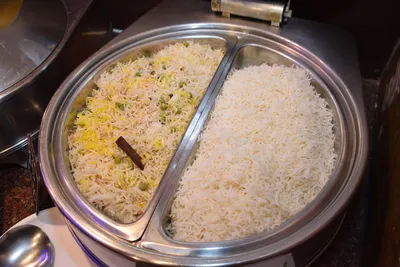
Related posts
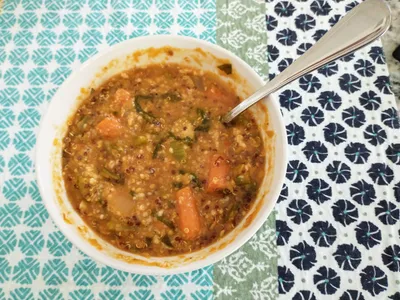
A Simple Ramadan Meal Plan for a Busy Family (Gulf and UK)
Ramadan cooking goes wrong when every night is a banquet. Here is a calm weekly rhythm for iftar and suhoor, built from dishes you can actually cook, with a prep day that does most of the work.
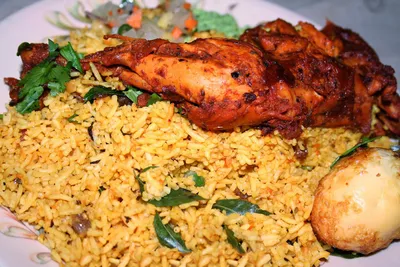
Bulk Buying for a Desi Kitchen: What to Buy by the Sack and What to Keep Small
Big bags of rice and atta can save money, but only if you use them. Here is how to decide what to buy in bulk and how to store it.
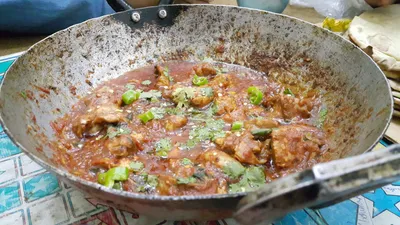
Budget Halal Chicken: Which Cuts to Buy and What to Cook
Boneless breast is the most expensive way to buy chicken. Here is how to choose cuts, break down a whole bird and match each piece to the right dish.
How to Organise a Pantry So You Actually Use What You Buy
A tidy pantry is not about matching jars. It is about seeing what you own, using the oldest things first, and not buying a fourth packet of cumin.