 Degchi
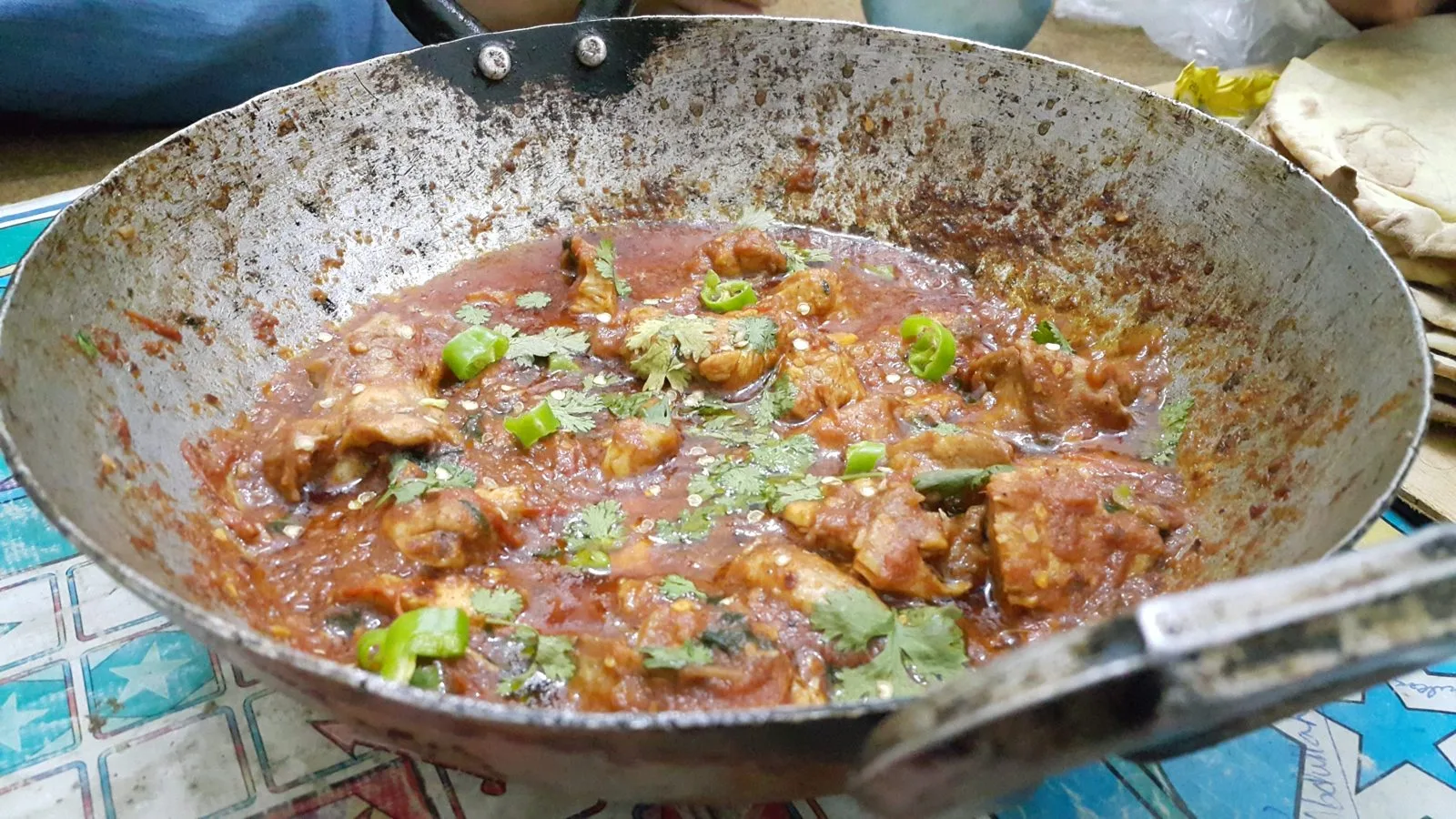
Photo: Kskhh / CC BY-SA 4.0
Budget Halal Chicken: Which Cuts to Buy and What to Cook
Why cut choice matters
Chicken is the most common meat in many desi homes, and halal chicken can cost more than conventional chicken depending on where you live. The price per kilogram (or pound) differs a lot between cuts, and the cheapest cut is often the best one for curries. Buying the right cut for the dish saves money without losing flavor.
Prices vary by shop and country, so this post does not quote numbers. It focuses on how to compare and choose.
The main cuts, compared
| Cut | Typical cost | Flavor and texture | Best for |
|---|---|---|---|
| Whole bird | Usually the lowest per kg/lb | Mixed | Curries, pulao, roasting, stock |
| Leg quarters / drumsticks and thighs | Low | Rich, juicy, forgiving | Karahi, handi, biryani, pulao |
| Bone-in breast | Medium | Lean, mild | Grills, tikka, cutting for stir-fry |
| Boneless thigh | Medium to high | Tender, flavorful | Tikka, kebabs, quick curries |
| Boneless breast | Often highest | Very lean, dries out easily | Quick pan dishes, shredded chicken |
| Wings | Low to medium | Fatty, crisp | Snacks, grills |
| Liver, gizzards | Very low | Strong flavor | Specific traditional dishes |
Bones and skin add flavor and cost less. For slow-cooked dishes such as chicken karahi, chicken handi and chicken pulao, bone-in pieces are traditional. They hold moisture and give the gravy body.
Buy a whole bird and cut it yourself
A whole chicken is usually the best value, and breaking it down takes about 10 minutes once you have done it a few times. A sharp knife and a clean board are all you need.
- Pat the chicken dry. Place it breast-side up.
- Cut through the skin between the leg and the body. Bend the leg back until the joint pops, then cut through it. Repeat.
- Separate drumstick from thigh at the joint.
- Cut along each side of the breastbone to remove the breast halves with the bone, or cut through the ribs to take off the wings and breast as a piece.
- Keep the back and neck bones for stock.
With one bird you get two drumsticks, two thighs, two breast halves, two wings and a carcass for stock. The pieces can go into different dishes during the week.
If you do not feel confident, ask the halal butcher to cut it into 8 or 12 pieces for the dish. They usually do this at no charge, and it saves a lot of time.
Matching the cut to the dish
- Karahi and handi: bone-in pieces cut small, so they cook through and take up the masala.
- Pulao and biryani: bone-in legs and thighs. The meat stays moist during the long cook.
- Tikka and kebabs: boneless thigh stays juicy under high heat. Breast works if marinated in yogurt and not overcooked. Chicken tikka takes about 45 minutes in total on the recipe card, including marination time.
- Soup and stock: bones, back and wings.
- Stir-fries and quick dishes: boneless pieces cut thin.
Stretching one chicken further
A medium whole chicken (about 1.5 kg or 3.3 lb) can serve a family over several meals:
- Night one: curry with the leg pieces.
- Night two: tikka or a quick pan dish with the breast.
- Night three: stock from the carcass, then a lentil or rice soup.
Add more lentils, chickpeas or vegetables to each dish, and a smaller amount of meat feeds more people. Many traditional dishes are made this way.
Checking quality and freshness
Whatever the cut, check the following:
- The meat should be pink, moist and not slimy, with no strong or sour smell.
- Packaging should be sealed, cold and within the use-by date.
- Meat that has been frozen and thawed should not be refrozen unless it was cooked in between, and it should be thawed in the fridge.
- For halal assurance, buy from a shop and a supplier you trust, and look for certification if that matters to your household.
Safe handling
Raw chicken needs care. These steps follow standard food-safety guidance.
- Do not wash raw chicken. It spreads bacteria around the sink and does not make the chicken safer. Cooking makes it safe.
- Store on the bottom shelf of the fridge in a sealed container so it cannot drip on other food.
- Cook or freeze within 1 to 2 days of buying, or by the use-by date.
- Use a separate board and knife for raw meat. Wash hands, boards and utensils with hot soapy water afterward.
- Cook until the thickest part reaches 74 C (165 F) and juices run clear.
- Thaw in the fridge, on a tray, never on the counter.
- Refrigerate leftovers within 2 hours and eat them within 3 to 4 days.
Freezing for savings
If your shop has a sale or a bulk pack, divide it into dish-sized portions (for example 500 g or 1 lb each), press out the air from freezer bags, and label them with the date. Quick-freeze flat so they thaw faster. Chicken keeps its quality in the freezer for several months, though the texture slowly degrades over time. Use older bags first.
Tracking the budget
If you want to know whether the whole-bird approach really saves money, compare the price per kilogram across two or three shops for a month. A list of what you bought and what you paid takes a minute to keep. Degchi, an Android app, tracks pantry items and a shopping list, which is a convenient place for a quick check on what you already have before buying more chicken. Even without an app, the habit of checking the freezer first stops duplicate purchases.
Recipes with chickpeas Recipes with lentils
Related recipes
Related posts

Building a UK Desi Pantry on a Budget: A Four-Week Plan
You do not need to buy forty spices on day one. Build your desi pantry in four stages, cook real dinners from week one and spread the cost.
Bulk Buying for a Desi Kitchen: What to Buy by the Sack and What to Keep Small
Big bags of rice and atta can save money, but only if you use them. Here is how to decide what to buy in bulk and how to store it.
How to Plan a Weekly Grocery Budget Around Pantry Staples
Budgets fail when they are a number with no plan behind it. This method starts with what you already own, builds the week from low-cost staples, and leaves room for one treat.