 Degchi

Photo: Billjones94 / CC BY-SA 4.0
Building a UK Desi Pantry on a Budget: A Four-Week Plan
The all-at-once trap
New to the UK, or new to cooking for yourself? A full desi kitchen can look overwhelming: dozens of spices, three kinds of lentil, flour, rice, pickles and sauces. Buying everything in one trip can cost a lot and leaves half the jars unopened. A better approach is to build the pantry in four stages, cooking proper dinners from the very first week.
This is different from a general shopping budget guide. If you want tips on comparing prices at the Asian store, see shopping smart at the UK Asian store. This article is about the order in which to buy things.
Week one: the minimum that makes dinner
Aim for a handful of items that make several dishes.
- 1 kg basmati or everyday long-grain rice
- 500 g red lentils (masoor) and 500 g chana daal or moong
- Cooking oil, 1 litre
- Onions, garlic, ginger, a few tomatoes or a tin of chopped tomatoes
- Salt, turmeric, red chilli powder, cumin seeds
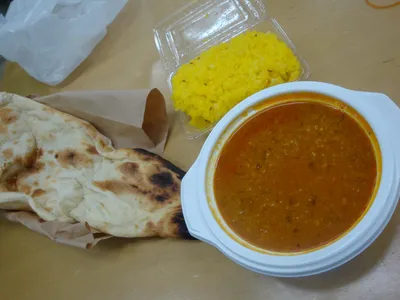
With just these you can make a basic daal with rice, which is a complete, filling and cheap meal. Add a tin of chickpeas and you can cook chana masala in the same week.
Rough budget: it is difficult to give a reliable figure since prices change often, so write your own total after your first shop and use it as your benchmark.
Week two: add flavour and a second grain
Now broaden the shelf:
- Coriander powder and garam masala
- Whole spices: cardamom pods, cloves, cinnamon sticks, bay leaves, black peppercorns
- Atta, 1 to 2 kg, if you plan to make rotis
- Potatoes, cauliflower or seasonal vegetables
- Plain yoghurt
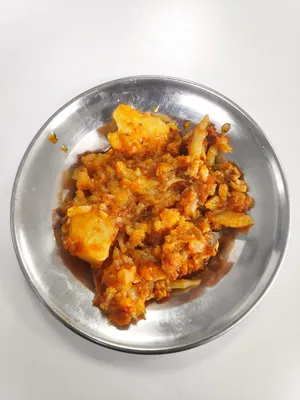
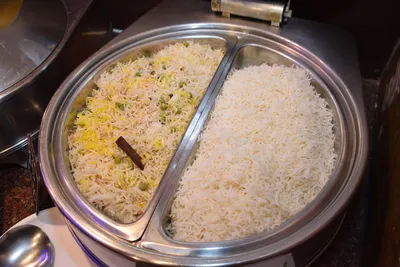
You can now cook aloo gobi and simple pulaos, and the whole spices give rice real fragrance. A pulao such as matar pulao needs frozen peas, which are cheap and keep for months in the freezer.
Week three: sauces, tins and freezer
- Tinned tomatoes, chickpeas and kidney beans
- Frozen peas, spinach and mixed vegetables
- A jar of ginger-garlic paste if you do not want to grate each time
- Tomato paste
- Eggs and a block of paneer or a bag of chicken thighs, depending on your diet
Tinned and frozen foods are good for tired evenings. Use them for rajma-style dinners or a speedy curry, and see our budget lentil and rice week plan for more ideas. Check packaging for storage and use-by guidance.
Week four: treats and extras
By now you know what you use. Add:
- Kasuri methi, mustard seeds, fennel seeds
- Chaat masala, amchur or tamarind
- A tin of ghee if you want it
- Pickle or chutney to liven up plain meals
- Nuts or dried fruit for special dishes
Only buy what a dish you are planning actually needs. A jar bought for a recipe you never cook is money sitting in a cupboard.
Quantities to start with
Cooking for one or two adults:
- Rice: about 75 to 100 g dry per person per meal. (a household guide, not nutritional advice)
- Lentils: about 50 to 75 g dry per person for a daal main.
- Spices: buy small bags of ground spices, around 100 g, and larger bags only of the ones you use every day, such as turmeric and chilli.
For US-style volumes, 100 g of rice is a little over half a US cup dry, and 1 US tablespoon is about 15 ml.
Where to save and where not to
Save on: rice, lentils, flour, frozen vegetables, own-brand tinned tomatoes, and whole spices bought from Asian shops rather than small supermarket jars.
Do not scrimp on: food storage. A few airtight tubs keep rice, flour and lentils fresh and protect against damp and pests. Check old stock for off smells or insects and bin anything doubtful.
Avoiding waste
The biggest hidden cost is food you buy and do not use. Cook a few simple dishes on repeat while you learn what your household likes. Write a short plan for the week, check what you already have before you shop, and use up fresh items first. Our five-ingredient dinners guide gives easy ideas when stocks run low.
A simple habit helps here: once a week, look at the oldest items in the cupboard and the fridge and plan one meal around them. It costs nothing, and over a month it adds up to noticeably fewer bags of half-used ingredients pushed to the back of the shelf. If you cook for a small household, follow our cooling and reheating guide and portion cooked lentils and rice into single servings so a busy evening never ends in a takeaway you did not budget for.
Let the pantry do the thinking
When the shelf starts filling up, it becomes hard to remember what is where. Degchi lets you add each item as you buy it and mark it as have, low or out. Ask the app what can we cook today and it suggests dishes using the stock you already own, and the shopping list builds itself from the items you flag. That helps you avoid doubles and spot the one missing spice before you start cooking.
Quick recap
- Build the pantry in four stages instead of one big shop.
- Week one is rice, lentils, oil, onions and basic spices.
- Add whole spices, atta and frozen vegetables in week two.
- Spend on storage, not on jars you will not use.
- Plan, check stock and cook on repeat while you learn your taste.
By the end of the month you will have a real working pantry, and you will know exactly what to buy next.
Related recipes

Related posts
Bulk Buying for a Desi Kitchen: What to Buy by the Sack and What to Keep Small
Big bags of rice and atta can save money, but only if you use them. Here is how to decide what to buy in bulk and how to store it.
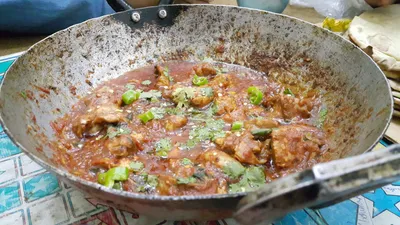
Budget Halal Chicken: Which Cuts to Buy and What to Cook
Boneless breast is the most expensive way to buy chicken. Here is how to choose cuts, break down a whole bird and match each piece to the right dish.
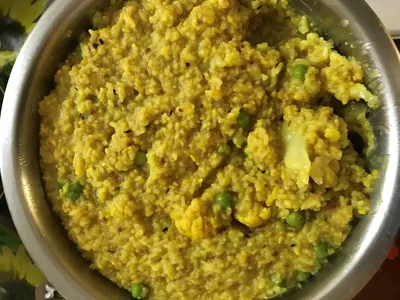
How to Plan a Weekly Grocery Budget Around Pantry Staples
Budgets fail when they are a number with no plan behind it. This method starts with what you already own, builds the week from low-cost staples, and leaves room for one treat.