 Degchi
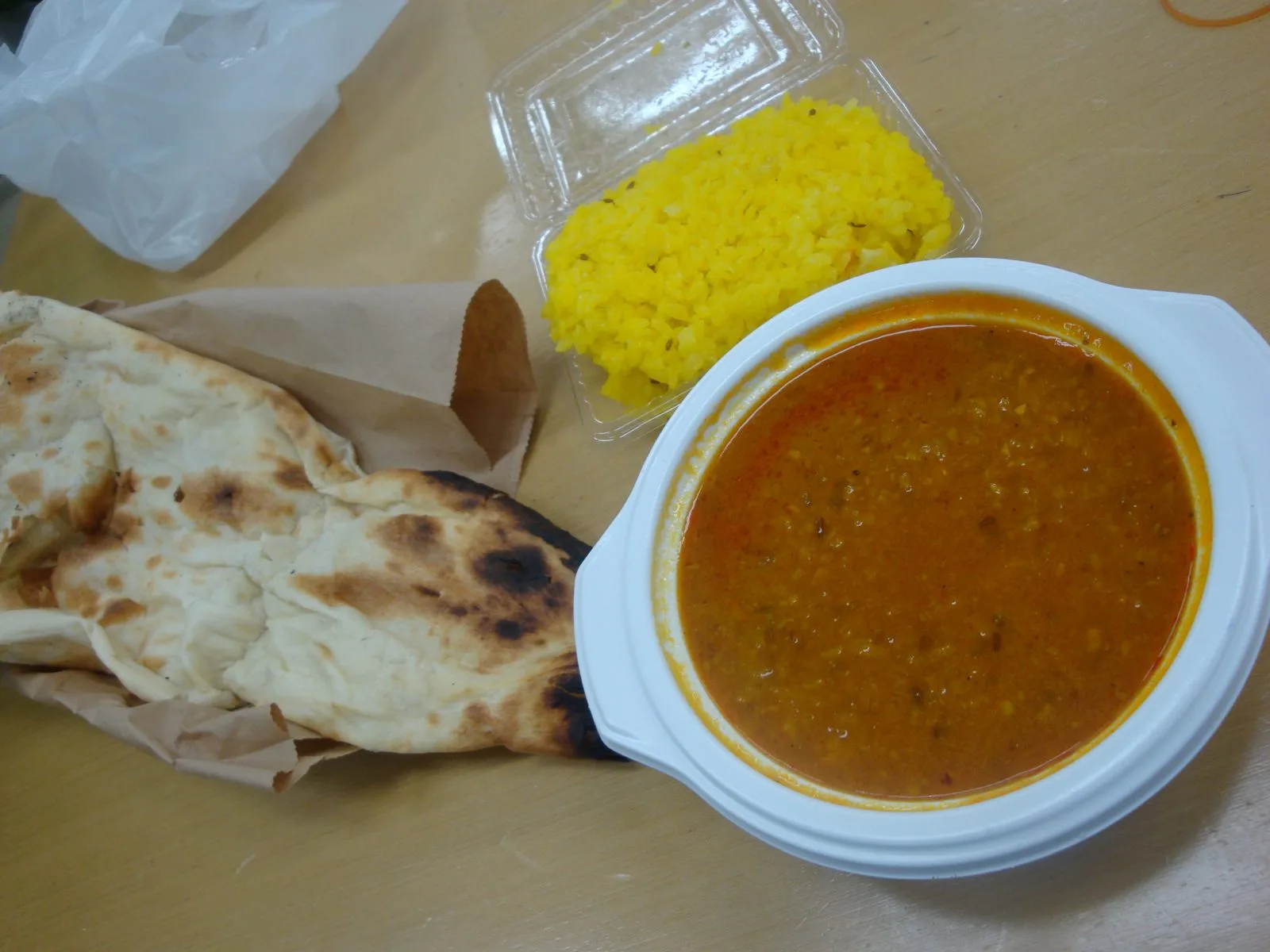
Photo: David Pursehouse / CC BY 4.0
Shopping Smart at the UK Asian Store: A Grocery Budget Guide for Desi Families
Why the Asian shop is often cheaper
If you cook South Asian food in the UK, you have probably noticed that spices, lentils, rice, and fresh vegetables cost noticeably less at an Asian grocer than at a large supermarket. Packaging is simpler, bags are bigger, and turnover on staples is high. But a cheaper shelf price does not always mean a cheaper week. It depends on what you buy and whether you finish it.
Compare by weight, not by bag
The most useful habit is to read the unit price, usually shown per kilogram or per 100 grams on the shelf label. A large bag of rice may look expensive until you see it costs less per kilo than the small pack. A 5 kg bag of basmati only saves money if you have the storage space and will use it within a reasonable time.
For loose items sold by weight, such as green chillies, coriander, and onions, check the price per kilo and buy only what you will use in the next few days. Fresh herbs and leafy vegetables are cheap but go off quickly.
What is usually worth buying in bulk
These keep well, so a bigger bag generally pays off:
- Rice and flour. Store in sealed containers away from damp.
- Lentils and dried beans. Daal and rajma are filling, cheap, and last for months when dry.
- Whole spices. Cumin, coriander seed, and cardamom hold their flavour longer than ground spice.
- Tinned chickpeas and tomatoes. They are the base of chana masala and many other quick dinners.
- Frozen peas and mixed vegetables. Handy for matar pulao and last-minute curries.
What to buy in smaller amounts
- Ground spices in huge packs. Ground spices fade. If you are not a very heavy cook, a medium bag is usually enough for several months.
- Fresh herbs and leaves. Buy for three or four days.
- Ready-made pastes and sauces. Convenient, but often more expensive per portion than making your own from onion, garlic, and ginger.
- Anything you have never tried. Buy one small pack first. A large pack of an unfamiliar ingredient can sit in the cupboard for a year.
Halal meat and the freezer
Many Asian shops sell halal meat in family packs. These can be good value, particularly if you portion them at home. Divide the meat into meal-sized bags, label them with the date, and freeze them promptly. Defrost in the fridge, not on the counter, and cook within a day or so. Food safety advice from the Food Standards Agency and NHS is to keep raw meat on the bottom shelf so that it cannot drip onto other food, and to cook it until it is steaming hot throughout with no pink meat remaining.
Plan the basket before the trip
A simple routine works well. Before you go, check what you already have, decide on four or five dinners for the week, and write the list by category: grains and lentils, vegetables, meat or eggs, dairy, and spices. Stick to it. Impulse buys at the checkout, such as sweets and snacks, quietly add up.
It also helps to decide on a weekly or monthly budget figure in advance. Our guide to a weekly grocery budget around pantry staples walks through how to set one.
Use the shop's rhythm
Many Asian stores restock fresh produce on particular days, and the best prices and freshest vegetables are often early in the week. Ask staff when deliveries arrive. Some shops also offer cheaper boxes of vegetables or reduced items late in the day. Buy these only if you can cook or freeze them that evening.
Do not forget the cooking side
The cheapest ingredient is the one you actually cook. A bag of bhindi that turns to slime in the bottom drawer costs more than a pack of frozen okra you use up. When you plan the week, choose a few dishes that share ingredients. Onions, tomatoes, and ginger appear in nearly everything, so buying them in a larger quantity makes sense. A pot of aloo gobi one night and a khichdi another uses completely different spices but the same basic vegetables and rice.
A small tool for the planning part
If you find that the list and the plan are the hardest parts, the Degchi app, currently in beta, is built for this. You record what is in your pantry and it suggests what you can cook, and the shopping list is built from items you are low on. You can join the beta from our website. A notebook works too, as long as you look at it before you shop.
A realistic target
Do not expect miracles in a single week. A reasonable goal is to cut waste, buy staples at the best unit price, and keep a small stock of freezer-friendly basics. Over a few months, those small changes tend to show up in your bank statement, and your family still eats the food it loves.
Related recipes



Related posts

Monthly Staples Run vs Weekly Fresh Run: What to Buy When
Rice, lentils and spices once a month, vegetables and dairy once a week. A split shopping plan with a checklist table you can copy.
Bulk Buying for a Desi Kitchen: What to Buy by the Sack and What to Keep Small
Big bags of rice and atta can save money, but only if you use them. Here is how to decide what to buy in bulk and how to store it.