 Degchi
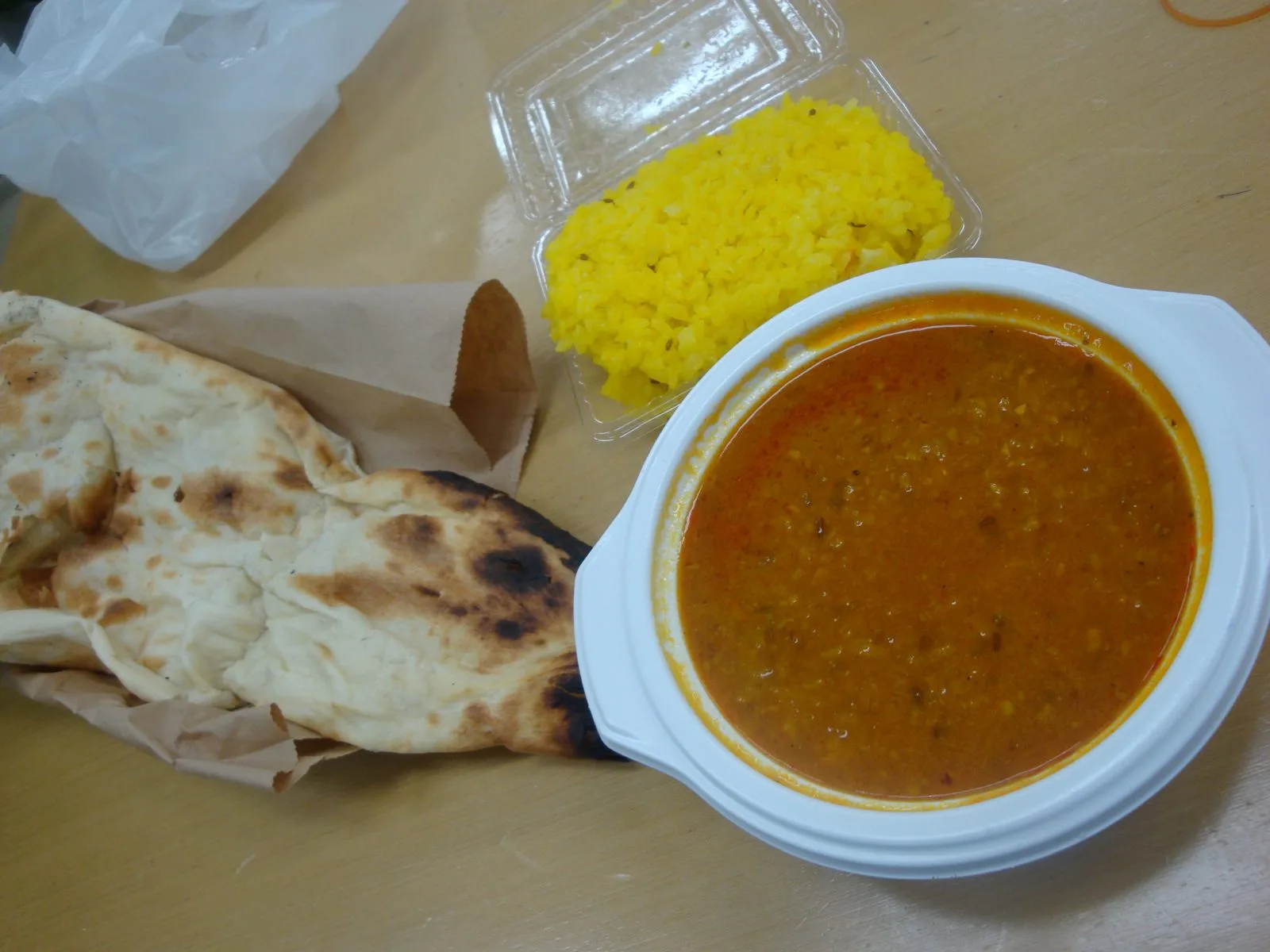
Photo: David Pursehouse / CC BY 4.0
How to Organise a Pantry So You Actually Use What You Buy
The real problem
Most pantries are not messy because people are lazy. They are messy because things get pushed to the back, bought twice and forgotten. The result is three open bags of rice, two packets of the same lentil and a spice nobody remembers buying. Organisation fixes that by making the contents visible.
Step 1: Empty it, once
Take everything out. It is tedious, and it works. While it is out:
- Check dates and discard anything stale, damp or with signs of insects.
- Wipe the shelves.
- Group like with like: grains, lentils and beans, tins, baking, snacks, spices, oils and sauces.
You will find duplicates. That is useful information, not a failure.
Step 2: Make zones
Give each group a home. A typical layout:
| Zone | Where | Why |
|---|---|---|
| Daily cooking (oil, salt, spices) | Eye level, nearest the stove | Used every day |
| Grains and lentils | Middle shelves | Heavy, used often |
| Tins and jars | Lower shelf | Heavy and stable |
| Snacks and kids' items | Low, within reach of children | So they can help themselves |
| Backup stock | High or at the back | Unopened spares |
If your pantry is a single cupboard, the same logic applies: daily things in front.
Step 3: First in, first out
When you buy a new pack, put it behind the old one. When the front pack is empty, the one behind moves up. This is the single habit that prevents most stale food. If you have space, use a small basket or tray for each category so you can pull it forward like a drawer.
Step 4: Airtight containers, where it helps
Rice, lentils, flour and sugar benefit from sealed containers. They keep out moisture and pests, and you can see how much is left. You do not need a matching set. Reused jars and tubs work. Do two things:
- Label each with the contents and, if useful, the date you opened it.
- Keep the cooking instructions or best-before date visible, for example by cutting it from the bag and taping it to the container.
Spices stay better away from heat, so avoid the shelf above the stove. They lose strength over time, so smell them occasionally. If a spice no longer smells strong, it will not add much flavor.
Step 5: Know your stock
A written or digital list of what you hold saves double buying. Check the pantry before every shop, not from memory. Mark each item as:
- Have: enough for the next week or two.
- Low: one meal's worth or less.
- Out: none.
Degchi, an Android app supported by ads with no subscription, uses exactly these three states. You can set your staples up once, tap an item when it is getting low, and the shopping list builds from the low and out items. It does not scan barcodes or track dates, so the shelf organisation above still matters.
Step 6: Keep a "use first" spot
Put things that are open, near the end of their date, or half-used in one clear place, such as a basket on the front of a shelf. When you plan dinner, start there. A pot of daal, a pan of khichdi or a matar pulao is a good way to use up odd amounts of lentils, rice and peas.
Step 7: Monthly reset
Once a month, spend ten minutes:
- Pull the front things forward.
- Check anything open for stale smell or damp.
- Update your have, low and out list.
- Plan one dinner from whatever has been waiting longest.
What to keep, roughly
There is no single correct list, but a working South Asian family kitchen often holds:
- Rice, atta or flour, and one or two lentils.
- Chickpeas, dry or tinned, for chana masala.
- Oil or ghee, salt, sugar.
- A core spice set: cumin, coriander, turmeric, red chili, garam masala.
- Tinned tomatoes.
- Tea and a few snacks.
Adjust for your household. A student flat needs a smaller version than a family of six.
Common mistakes
- Buying in bulk without space. Large packs only save money if you use them before they go stale.
- Decanting everything. If you do not label it, you will not know what it is in three months.
- Keeping things "for good". Special ingredients saved for an occasion that never comes should be used.
- Overstocking spices. Small amounts and regular turnover beat a giant tub that loses flavor.
Pests and damp
If you see moths or weevils, remove affected packs, wipe the shelf and move anything vulnerable into sealed containers. Keep the pantry dry and cool, away from the stove and the dishwasher. If you live somewhere humid, sealed containers are not optional.
The outcome
A good pantry should let you open the door and know, in five seconds, what you can cook tonight. If it does that, it is organised enough. Everything else is cosmetic.
Related recipes

Related posts
What to Stock First in a New Kitchen: A Realistic Pantry Starter List
You do not need forty jars on day one. Buy a short core first, add on a schedule, and cook real dinners from week one. Here is the order we would use.

How to Plan a Weekly Grocery Budget Around Pantry Staples
Budgets fail when they are a number with no plan behind it. This method starts with what you already own, builds the week from low-cost staples, and leaves room for one treat.
A Lentil-and-Rice Week: Seven Dinners on a Tight Budget
Lentils and rice can feed a family well and stay interesting for a week, if you change the dish, the spice and the texture. Here is a plan that does.

Pantry Inventory: App, Spreadsheet, or Paper Note? An Honest Comparison
The best pantry tracker is the one you will actually keep updated. Here is how a paper list, a spreadsheet, and an app compare in daily use.