 Degchi
How to Use Mustard Oil in Cooking: A Plain Guide
You open a bottle of mustard oil for the first time and the smell hits the back of your nose like horseradish. Then you heat it, and it changes. Knowing why is most of what you need to know about how to use mustard oil in cooking.
This guide sticks to what our recipe library actually does with the oil, plus a few outside facts we checked and recorded. It is not a nutrition page: nothing here says mustard oil is good or bad for you.
Read the bottle before you cook
Start with the label, because it is the one thing that differs by country. In the United States, mustard oil is commonly sold with a "For External Use Only" warning, and a food-writing piece we read reports the FDA's import alert saying expressed mustard oil is not permitted for use as a vegetable oil. The reason usually cited is the oil's erucic acid content, and the same article notes that other bodies treat the question differently.
We cannot tell you what is legal where you live, and rules change. So check the label on your bottle and your local food authority's guidance, and decide for yourself. If the label says external use only, it is not sold as food where you are. Our recipes list it as an ingredient because Bengali home cooking uses it, not as advice that every bottle is suitable.
Two ways the oil gets used
Look across the recipes in our library and the oil splits into two jobs.
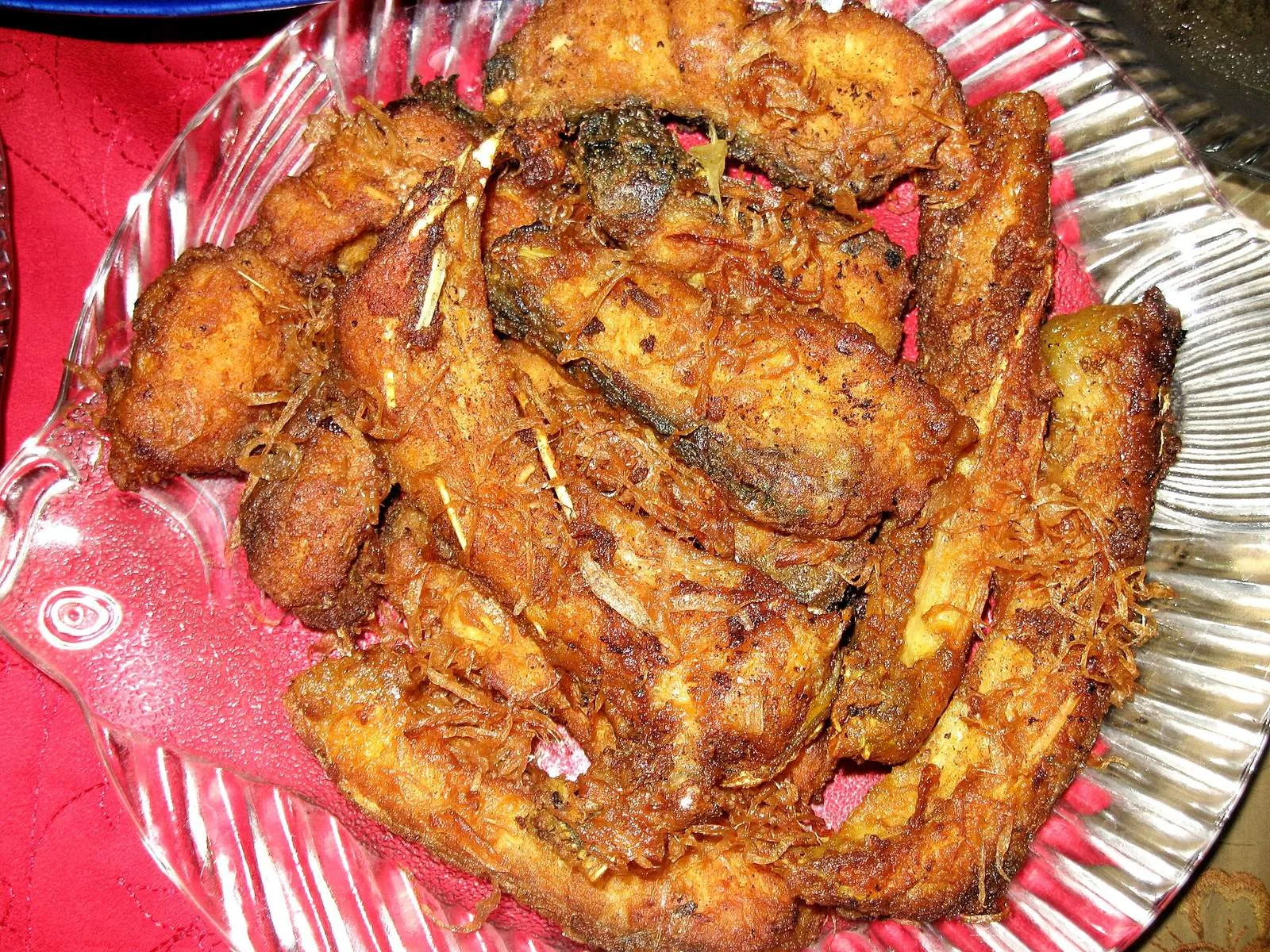
Heated. Maach Bhaja heats it in a flat pan over medium-high heat until it shimmers, then shallow-fries rohu steaks for about 5 minutes on one side and 4 on the other. Machher Jhol heats it until it smokes lightly before frying the fish. The Dhakaiya beef tehari says to heat it until it stops smoking and only then fry the onion. Shorshe Ilish heats it until it just starts to smoke, then lowers the heat before the mustard paste goes in.
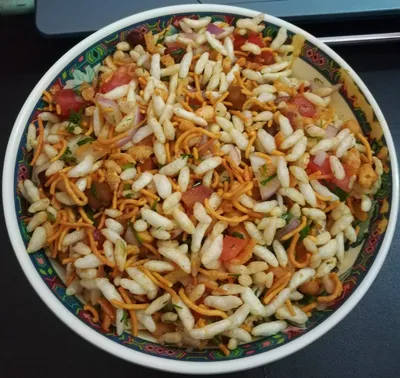
Raw. Begun Bhorta stirs it into mashed roasted eggplant at the end, and so do Dim Bhorta (mashed egg) and Panta Bhat (fermented rice). Jhalmuri tosses it through puffed rice with chaat masala. Even Shorshe Ilish finishes with a spoon of raw oil drizzled over the fish after it is off the heat.
Same bottle, two completely different flavours. Raw, it is sharp and nasal. Heated, it loses most of that bite.
How to use mustard oil in cooking: reading the heat
Our recipes describe the stages by what you see: shimmer, light smoke, stops smoking. They do not give a thermometer reading, and we are not going to invent one.
One cook quoted in a Taste article describes heating the oil until it "turns white", starting from a yellow oil with a slight green tinge; the same article compares the raw smell to wasabi. That fits what the recipes imply: the heat is partly there to take the raw edge off before food goes in.
A practical routine, using only what our recipes say:
- Use a heavy flat pan and medium-high heat.
- Watch for shimmer, then a thin wisp of smoke.
- For the tehari method, wait until the smoke stops before adding onion.
- Drop the heat before wet things go in. The Shorshe Ilish recipe lowers it before the mustard paste.
- Open a window. It is a pungent smell the first time.
If the oil goes past a thin wisp to heavy smoke, take the pan off the heat and let it ease down. Burnt oil makes the dish taste burnt, whatever the spices do.
Raw oil as a finishing touch
The raw uses are the easiest place to start, because there is nothing to burn. Mash a roasted eggplant, add chopped coriander, a little salt and a teaspoon or so of the oil, and taste. That is the method our Begun Bhorta recipe gives, without the oil amount, so add it in small drizzles. You will quickly learn how much sharpness you want.
Expect it to be assertive. Add less than you think, taste, and add more.
Which recipes make it worth buying
If you are deciding whether a bottle is worth the shelf space, count the dishes:
- Fish: Maach Bhaja (5 tbsp), Machher Jhol (4 tbsp), Shorshe Ilish (4 tbsp).
- Mashes: Begun Bhorta, Dim Bhorta, Aloo Bhorta, Shutki Bhorta.
- Rice: Dhakaiya beef tehari, Panta Bhat.
- Snack: Jhalmuri.
That is a lot of Bengali food with no good stand-in, which is why it keeps appearing on shopping lists even when a neutral oil works for everything else. For the fish curries, the quick Macher Jhol in our library is written with ordinary cooking oil, so you can cook that one without it.
Storing the bottle
We have no data of our own on shelf life, and no source we opened says how long mustard oil keeps. Follow the date and instructions on your bottle. As with most cooking oils, a tightly closed bottle kept away from heat and direct light is the usual advice, and if it smells off in a way that differs from its normal sharpness, replace it.
What to do if you cannot find it
You will not get the same flavour from another oil, and we will not pretend you can. Our substitutes guide covers other pantry swaps. For the dishes above, the honest options are to cook the version written with cooking oil (the quick Macher Jhol), or to use a bottle whose label says it is meant for food.
A shopping list for one mustard-oil weekend
- 1 bottle of mustard oil, label checked
- 600 g / 1.3 lb rohu steaks for Maach Bhaja
- 1 large eggplant for Begun Bhorta
- puffed rice and chaat masala for Jhalmuri
- coriander, green chillies, salt
Degchi's recipe pages show the oil as an ingredient with metric and US amounts, and the pantry sandbox lets you mark it as something you have before you decide what to cook.
Related recipes
Related posts
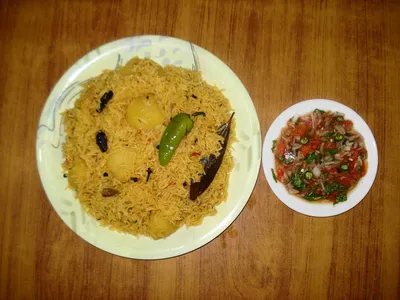
Beef Tehari Recipe, Bangladeshi Style: Cut, Oil, Water
A beef tehari recipe lives or dies on three choices: the meat, the mustard oil and the water. Here is the reasoning behind each, using amounts from our Dhaka-style recipe.
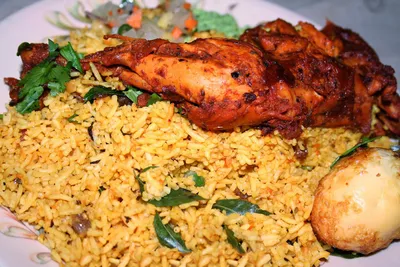
Bulk Buying for a Desi Kitchen: What to Buy by the Sack and What to Keep Small
Big bags of rice and atta can save money, but only if you use them. Here is how to decide what to buy in bulk and how to store it.
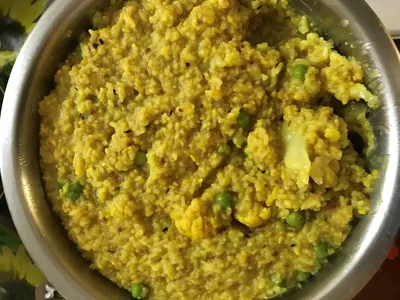
Nearly Empty Pantry? A Three-Day Dinner Plan Before the Next Grocery Run
The day before payday or a big shop, the cupboards look bare. Here is a three-day plan that turns what is left into real dinners.
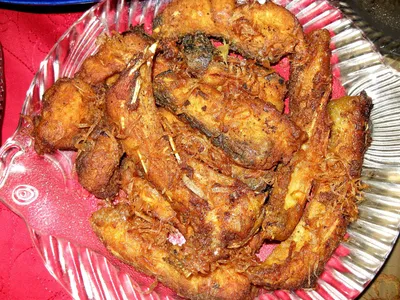
Maach Bhaja: Crisp Bengali Fried Fish, Step by Step
Fried fish steaks with only four seasonings. The timings from our recipe, the dry-fish rule that prevents splatter, and what to change if your fish is frozen.