 Degchi
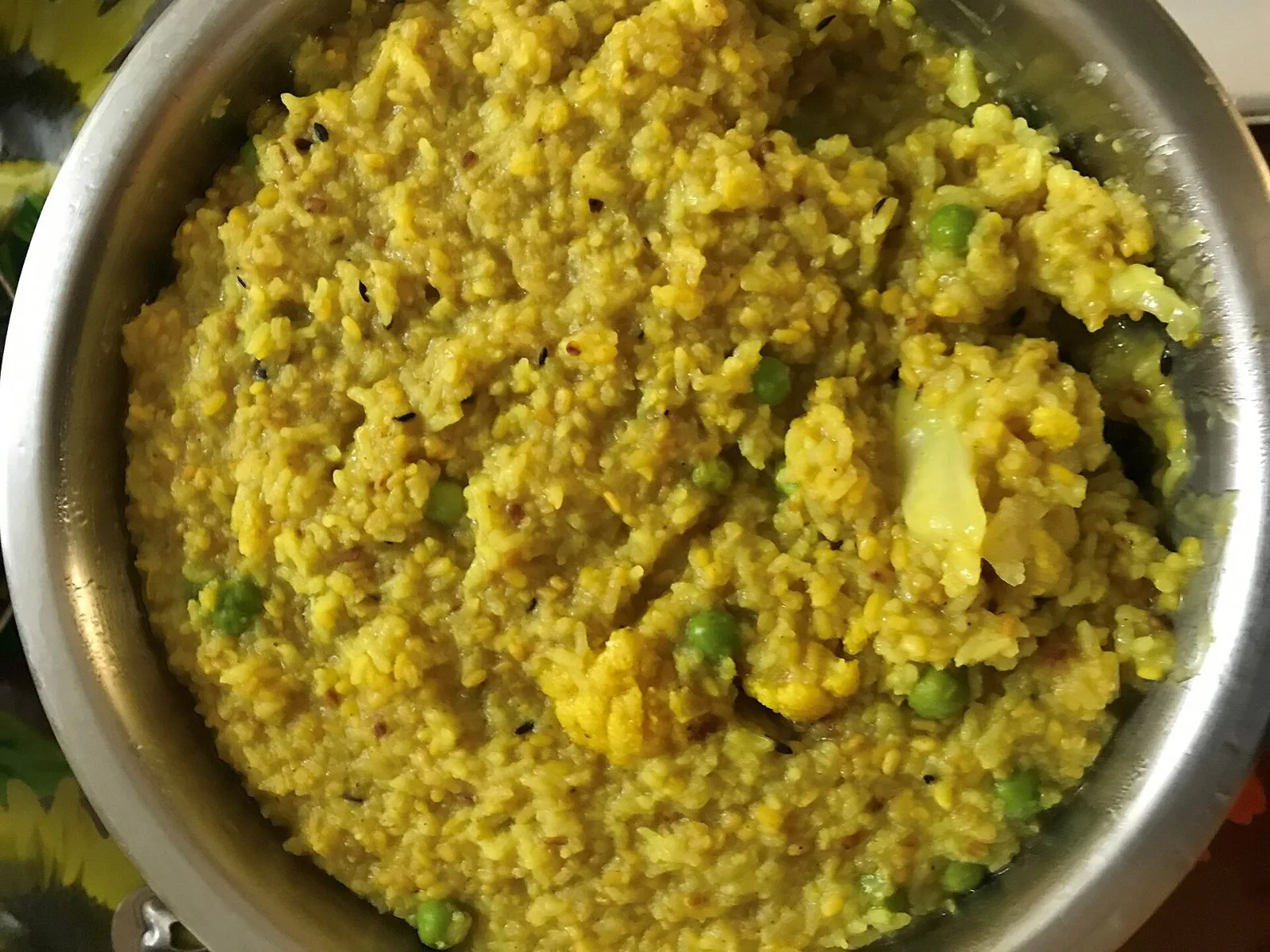
Photo: Rajeeb Dutta / CC BY-SA 4.0
Nearly Empty Pantry? A Three-Day Dinner Plan Before the Next Grocery Run
The day before the big shop
Most households hit it sooner or later: the cupboards look nearly empty, the next grocery trip is two or three days away and nobody wants to order takeaway. The good news is that a desi pantry is often better stocked than it looks. A few lentils, some rice, a couple of eggs, onions and spices are the foundation of many real dinners.
This plan assumes you have a small handful of basics. You do not need all of them, and you can swap items freely. The idea is to show how to think, not to hand you a rigid menu.
Step one: take stock in five minutes
Before cooking, find out what you actually have. Open the cupboards, the fridge and the freezer, and write a quick list.
Look especially for:
- Grains: rice, flour, semolina, oats, pasta.
- Lentils and beans: moong, masoor, chana daal, chickpeas, kidney beans, tinned or dried.
- Protein: eggs, frozen chicken, tinned fish, yogurt, paneer.
- Vegetables: onions, potatoes, tomatoes, frozen peas, anything lurking in the crisper.
- Flavor: oil or ghee, salt, turmeric, chili, cumin, garam masala, garlic, ginger.
Once you can see it all, the plan becomes clearer. If you track your pantry in Degchi, the have, low and out marks give you this list instantly, and the app can show dishes that match what you have. Our guide on what can I cook with what I have explains a manual method too.
Day one: use the freshest things first
On the first day, cook with what will go off soonest. Fresh vegetables, leftover bread and anything close to its date come first.
Dinner idea: vegetable khichdi. Khichdi is a one-pot rice and lentil dish that welcomes almost any vegetable. Use whatever is in the fridge: carrots, peas, potatoes, spinach. Add a spoonful of ghee or a tempering of cumin, and serve with yogurt or a simple pickle if you have it. It is comforting, filling and cheap.
If you have no moong, other split lentils work, but they may take longer to cook, so adjust the time and water.
Day two: eggs and potatoes
By the second day the fresh vegetables are mostly gone, but potatoes, onions and eggs often last.
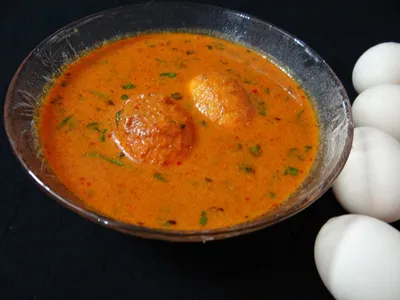
Dinner idea: egg curry with rice or bread. Anda curry uses hard-boiled eggs in an onion-tomato sauce. If you have no tomatoes, tinned tomatoes or a spoonful of tomato paste will do. Serve it with leftover rice or fresh rotis.
Alternative: aloo gobi without the cauliflower. If you have potatoes but no cauliflower, a dry potato dish with cumin and turmeric is still a good meal. See aloo gobi for the spice base and adapt it.
Eggs should be cooked thoroughly, especially for children, older adults and anyone who is pregnant or has a weakened immune system. Check your national food safety guidance for details, as advice differs between countries.
Day three: pulses and whatever is left
By the third day you are probably down to dried goods. That is fine, because lentils and beans make complete meals.
Dinner idea: chickpea or lentil curry. If you have tinned or soaked chickpeas, chana masala is a hearty option that needs only onions, tomatoes and spices. If you have dried lentils, moong daal cooks quickly and pairs well with rice.
Make it stretch. Add a handful of greens, a diced potato or a spoonful of yogurt at the end to add body. If you have only a little protein, mix it with rice or lentils to make it go further.
Fill in the gaps with simple extras
A plain meal feels better with a small extra.
- A fresh element: sliced onion with lemon, cucumber or a chopped tomato salad.
- Something crunchy: a papad toasted over a flame, or fried onions.
- Something cooling: plain yogurt, or yogurt with a pinch of salt and cumin.
- A pickle or chutney: a spoonful lifts a plain dish.
These cost little and make the meal feel complete, even on the last day before shopping.
Avoid the panic purchase
The temptation on day three is to rush to the shop for convenience food. Resist unless you truly need something. Instead, write a proper shopping list for the day you restock. A list built from what you ran out of prevents the same crisis next week.
If you want help with the restock, see your shopping list, built from your pantry and our weekly pantry reset.
Make the plan a habit
An almost-empty pantry is a good teacher. It shows which items you rely on most and which you should always keep a backup of. After the crisis, write down the five things that saved dinner. Those are your emergency staples. Many families settle on a mix such as rice, one or two kinds of lentils, eggs, onions, potatoes, tinned tomatoes and a basic spice set.
Keep these topped up and the three-day plan will rarely be needed. When it is, you will know exactly what to do.
Quick checklist
- Take a five-minute inventory of the pantry, fridge and freezer.
- Cook perishables first on day one.
- Use eggs, potatoes and onions on day two.
- Rely on lentils or beans on day three.
- Add simple extras for freshness and texture.
- Write the shopping list before you shop, not while you are hungry.
- Note your emergency staples and keep them stocked.
A bare cupboard is not a failure. With a little planning, it is just a short, simple stretch of cooking before the next shop.
Related recipes

Related posts

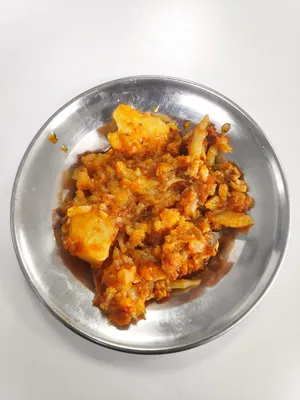
Desi Slow-Cooker Meals: What Works, What Doesn't, and How to Adapt
A slow cooker suits lentils, beans, and tough cuts of meat beautifully. Here is how to adapt desi dishes so the flavour still tastes like home.
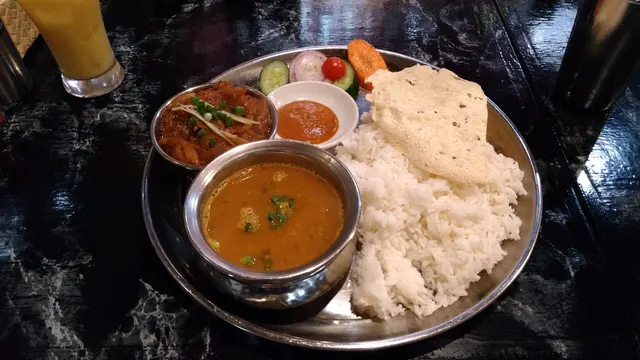
What Can I Cook With What I Have? A Five-Minute Pantry Method
You probably have a dinner in your kitchen already. Here is the five-minute method we use to find it, with real examples from South Asian home cooking.
How to Use Mustard Oil in Cooking: A Plain Guide
Mustard oil smells sharp and does odd things when you pour it in cold. This guide covers heating it, using it raw, which of our recipes need it, and how to read the label on your bottle.
Bulk Buying for a Desi Kitchen: What to Buy by the Sack and What to Keep Small
Big bags of rice and atta can save money, but only if you use them. Here is how to decide what to buy in bulk and how to store it.