 Degchi
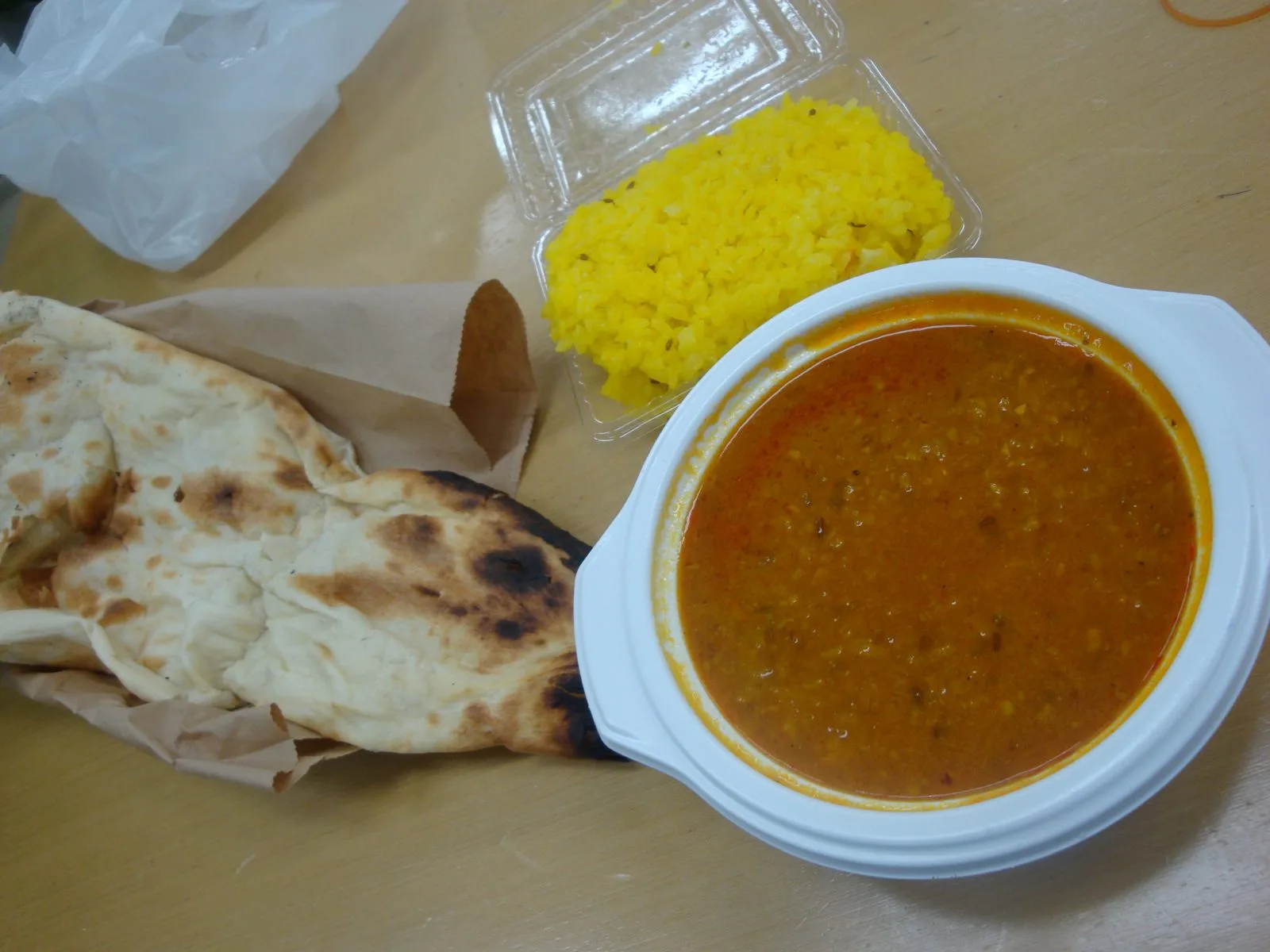
Photo: David Pursehouse / CC BY 4.0
Desi Slow-Cooker Meals: What Works, What Doesn't, and How to Adapt
Why a slow cooker and desi food get along
Many classic South Asian dishes already rely on slow, patient cooking: daal, haleem, nihari, and bean curries. A slow cooker lets you start these in the morning and come home to a hot pot. It also keeps the kitchen cooler and your attention free.
But a slow cooker is not a stovetop. It traps moisture, it does not brown, and it dulls fresh spices over long cooking. Knowing that makes the difference between a flat stew and a dish that tastes right.
The three-step method
Most desi slow-cooker recipes work better if you split them into stages.
Stage 1: Build flavour on the stove (10 minutes). Fry onions until golden, add garlic, ginger, and ground spices, then tomato. This base is what a slow cooker cannot create alone. Scrape it into the pot.
Stage 2: Slow-cook the main ingredient. Add meat, lentils, or beans with measured liquid.
Stage 3: Finish at the end. Stir in garam masala, fresh coriander, lemon juice, or a final tarka just before serving. Delicate flavours added early fade over eight hours.
If you cannot face the stove in the morning, fry the onion base the night before and keep it in the fridge in a covered container.
Dishes that suit a slow cooker
Lentils and beans. Whole lentils, kidney beans for rajma, and chickpeas for chana masala are ideal. Use dried chickpeas that have been soaked overnight and drained. Red kidney beans need special care, see the safety notes below.
Tough cuts of meat. Beef shank, lamb shoulder, and bone-in chicken thighs become tender over several hours. This is the right tool for nihari-style dishes and slow curries.
Haleem-style porridges. Wheat, barley, lentils, and meat cooked down until soft suit a slow cooker. You will still want to mash and beat the mixture at the end.
Whole-vegetable curries. Potatoes, cauliflower, and carrots hold up, though soft vegetables like okra will turn to mush.
Dishes to leave on the stove
- Rice dishes like biryani and pulao: rice overcooks and clumps. Cook rice separately in a pot or rice cooker.
- Quick-cook vegetables: spinach, peas, and okra need minutes, not hours.
- Dry fried dishes like bhuna or karahi, where reduction and browning are the whole point.
- Flatbreads: a slow cooker cannot make roti.
Liquid: use less than you think
A slow cooker loses almost no steam, so a stovetop recipe that calls for four cups of water might need only two. Start with about half the liquid, check after a couple of hours, and add more only if needed. For lentils, a rough guide is about three cups of liquid for each cup of dried lentils, but varieties vary. Thick sauces can be reduced with the lid off for the last thirty minutes.
Sample plan: chicken curry and daal
Here is a realistic day for a household that likes a main and a side.
- Morning (15 minutes): Fry onions, garlic, ginger, and spices. Add tomato. Put bone-in chicken thighs, the sauce, and a little water in the slow cooker. Set to low.
- Second cooker or stovetop at evening: Cook a quick pot of daal.
- At serving time: Check that the chicken has reached 165°F (74°C), stir in garam masala and fresh herbs, and serve with rice or roti.
Safety rules that matter with a slow cooker
A slow cooker is safe when used correctly, and USDA guidance covers the main points.
- Do not use frozen meat. Thaw it in the fridge first. Frozen meat takes too long to warm up and can stay in the unsafe range of 40°F to 140°F (4°C to 60°C) for too long.
- Keep the lid on. Each peek adds time.
- Cook poultry to 165°F (74°C) and ground meat to 160°F (71°C), checked with a food thermometer.
- Dried kidney beans are toxic if undercooked. Soak them, drain, and boil them hard on the stove for at least ten minutes before using the slow cooker. Slow cookers may not reach a high enough temperature to destroy the toxin.
- Refrigerate leftovers within two hours, and do not leave food on the "warm" setting overnight if the manufacturer says not to. Store in shallow containers so it cools fast.
- Reheat leftovers to 165°F (74°C) on the stove or microwave, not in the slow cooker, which heats too slowly.
- Eat refrigerated leftovers within three to four days.
Adjusting spice for a slow cooker
Long cooking mellows chilli and whole spices in different ways. Whole cloves, cardamom, and cinnamon release strong flavour over eight hours, so use less than a stovetop recipe. Ground spices can taste dull, which is why finishing with garam masala and a squeeze of lemon matters. Taste before serving and correct salt at the end, since salt in the base can seem weaker after long cooking.
Low or high?
Low heat for six to eight hours is gentler on meat and lentils. High for three to four hours suits a day you start late. As a rule, do not switch between settings mid-way unless the recipe says so, and always check that meat is done by temperature rather than time.
Where Degchi can help
On busy mornings the hard part is often remembering what to start. Degchi tracks your pantry and suggests dishes you can cook from it, and the guided cook mode has timers for each step. That is useful for the stovetop stage before you hand the pot over to the slow cooker. If a notebook suits you better, that works too.
Quick checklist
- Fry the flavour base first, even for a few minutes.
- Use less liquid than a stovetop recipe.
- Add garam masala and herbs at the end.
- Never use frozen meat, and boil dried kidney beans before slow cooking.
- Check temperature with a thermometer.
Related recipes
Related posts
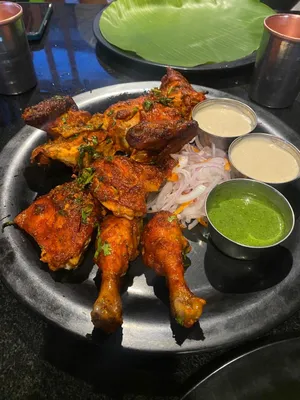
Desi Weeknight Dinners in the Air Fryer: What to Cook and What to Skip
An air fryer will not replace your karahi, but it handles tikka, kebabs, and roasted vegetables quickly. Here is how to use it for desi food.

The Desi Kitchen Grocery List for Life in the US or UK
Stocking a desi kitchen far from home is mostly about knowing which items are worth buying in bulk, which are worth buying fresh, and which have easy substitutes.
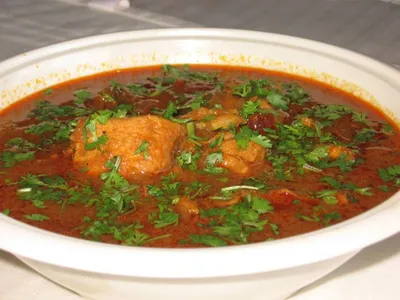
Halal Meal Prep for the Week: A Simple Plan for Busy Families
Halal meal prep does not mean five identical boxes. Cook a few building blocks on one afternoon, store them safely, and assemble different dinners all week.

One Sunday Pot of Daal, Three Different Dinners
One pot of plain daal can become a soup, a dry-ish side and a quick khichdi. Here is how to stretch a single batch across the week.