 Degchi

Photo: Billjones94 / CC BY-SA 4.0
The Desi Kitchen Grocery List for Life in the US or UK
Why a list helps more abroad
At home, the corner shop sells everything you need and you buy as you cook. Abroad, the nearest South Asian grocer may be a drive away, and you probably go every two or three weeks. That makes a stocking list useful: if you run out of cumin in the middle of the week, dinner changes.
The list below is organized by how you shop, not by cuisine. Adjust it to your region and your family's taste. It is a starting point, not a rulebook.
Whole and ground spices
Spices are the biggest reason to visit a desi grocery. Prices at South Asian stores are often noticeably lower than the small jars at a mainstream supermarket, and the bags are larger. You can compare unit prices yourself.
The core set (most dishes use these):
- Cumin seeds and ground cumin
- Coriander powder
- Turmeric
- Red chili powder
- Garam masala
- Mustard seeds
- Black pepper
- Green cardamom and cloves
- Bay leaves and a cinnamon stick
Second tier (add as you cook more):
- Fenugreek leaves (kasuri methi)
- Fennel seeds
- Carom seeds (ajwain)
- Chaat masala
- Amchur (dried mango powder)
- Asafoetida (hing)
Buy whole spices in smaller amounts than ground ones, because ground spices lose their aroma sooner. Store everything in airtight containers away from the stove. If you want to see how this looks in a single box, read our post on the masala dabba.
Lentils, beans and grains
These last for months and are cheaper in large bags.
- Red lentils (masoor): cook quickly, good for everyday daal.
- Yellow lentils (toor or moong): the base for many dishes and khichdi.
- Chana daal (split chickpeas): needs longer cooking but is hearty.
- Dried or canned chickpeas: for chana masala.
- Kidney beans: for rajma.
- Basmati rice: buy in a 10 lb (about 4.5 kg) bag or larger if you eat rice daily and have storage space.
- Atta (whole wheat flour): for chapati and parathas. It is not the same as plain wheat flour, so look for the word atta on the bag.
Keep grains and lentils in sealed containers. A dry, cool cupboard is enough. If you notice tiny insects, freeze new bags for a few days before storing them.
Fresh staples
These are the items you will rebuy every week.
- Onions, tomatoes, garlic, ginger
- Green chilies
- Fresh coriander and mint
- Potatoes and cauliflower (for aloo gobi)
- Lemons and limes
- Yogurt (plain, full-fat if you use it for cooking)
- Eggs
Ginger, garlic and green chilies can be minced and frozen in small portions. That saves you from dashing out for one missing ingredient.
Freezer and shelf helpers
Having a few shortcuts means a bad day does not end in takeout.
- Frozen peas (matar pulao and many curries)
- Frozen paratha or roti, if you do not make your own
- Canned tomatoes, as a backup when fresh ones are poor
- Coconut milk for some southern and coastal curries
- Tamarind paste
- Ghee and a neutral cooking oil
- Tea leaves, sugar and milk powder if your household drinks chai
Substitutes when you cannot find something
You will sometimes be missing an ingredient. A few swaps that usually work:
| If you lack | Try |
|---|---|
| Fresh curry leaves | Leave them out, or use dried ones for aroma only |
| Amchur | A small squeeze of lemon juice at the end |
| Kasuri methi | Skip it, or add a small pinch of fenugreek seeds in the tadka |
| Ghee | Butter plus a little oil, though the taste is different |
| Fresh green chilies | Small amounts of dried red chili flakes |
None of these is identical, but they will keep dinner moving.
Reading labels and quantities
Units differ between stores. US shops often sell by pound and ounce, UK shops by kilogram and gram, and desi stores may use either. One pound is about 454 g, and 1 kg is about 2.2 lb. When a recipe gives amounts in metric and the label is in ounces, use a small kitchen scale or look for the conversion on the pack. The recipe pages in Degchi show both metric and US measurements, so you do not need to convert in your head.
Build the list around your week
Rather than buying everything at once, build your list from the meals you actually plan to cook. If you plan three lentil dinners, you do not need five kinds of lentil. Check your pantry first: look at what is already low, and write only those items down. Degchi has a pantry tracker that marks items as Have, Low or Out and generates a shopping list from them, but a note on the fridge works just as well.
A practical shopping rhythm
- Every two to four weeks: the desi grocery, for spices, bulk rice and lentils, frozen items.
- Every week: a regular supermarket for fresh produce, dairy and eggs.
- Once a quarter: a pantry check. Throw out anything stale and note what you rarely use.
A final tip on budget
Buy the biggest bag only if you will use it. A 20 lb (about 9 kg) bag of rice is not a bargain if half goes stale. Compare price per kilogram or per pound, not the headline price, and ask yourself honestly how fast your household eats through each item. Over time you will learn your own numbers, and the grocery list will shrink to what you actually use.
Related recipes


Related posts
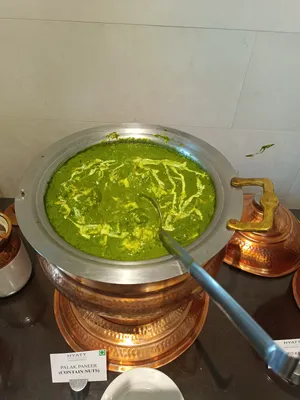
Meatless Days for a Desi Family: Satisfying Vegetarian Dinners That Fill Everyone Up
South Asian cooking already has a deep vegetarian tradition. One or two meatless dinners a week can be filling, affordable and easy on the grocery bill.
Methi Seeds vs Fresh Methi vs Kasuri Methi: Which for What
Same plant, three very different ingredients. Here is what methi seeds, fresh leaves and dried kasuri methi do in a pot, and how to avoid the bitter mistake.
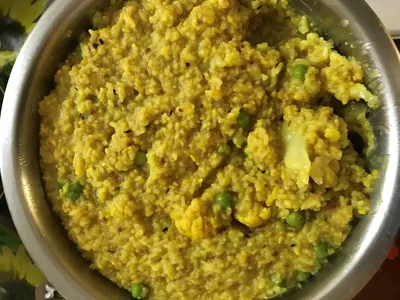
Nearly Empty Pantry? A Three-Day Dinner Plan Before the Next Grocery Run
The day before payday or a big shop, the cupboards look bare. Here is a three-day plan that turns what is left into real dinners.
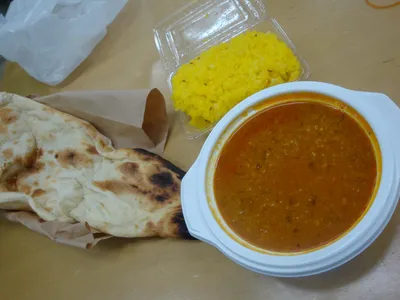
One Sunday Pot of Daal, Three Different Dinners
One pot of plain daal can become a soup, a dry-ish side and a quick khichdi. Here is how to stretch a single batch across the week.