 Degchi
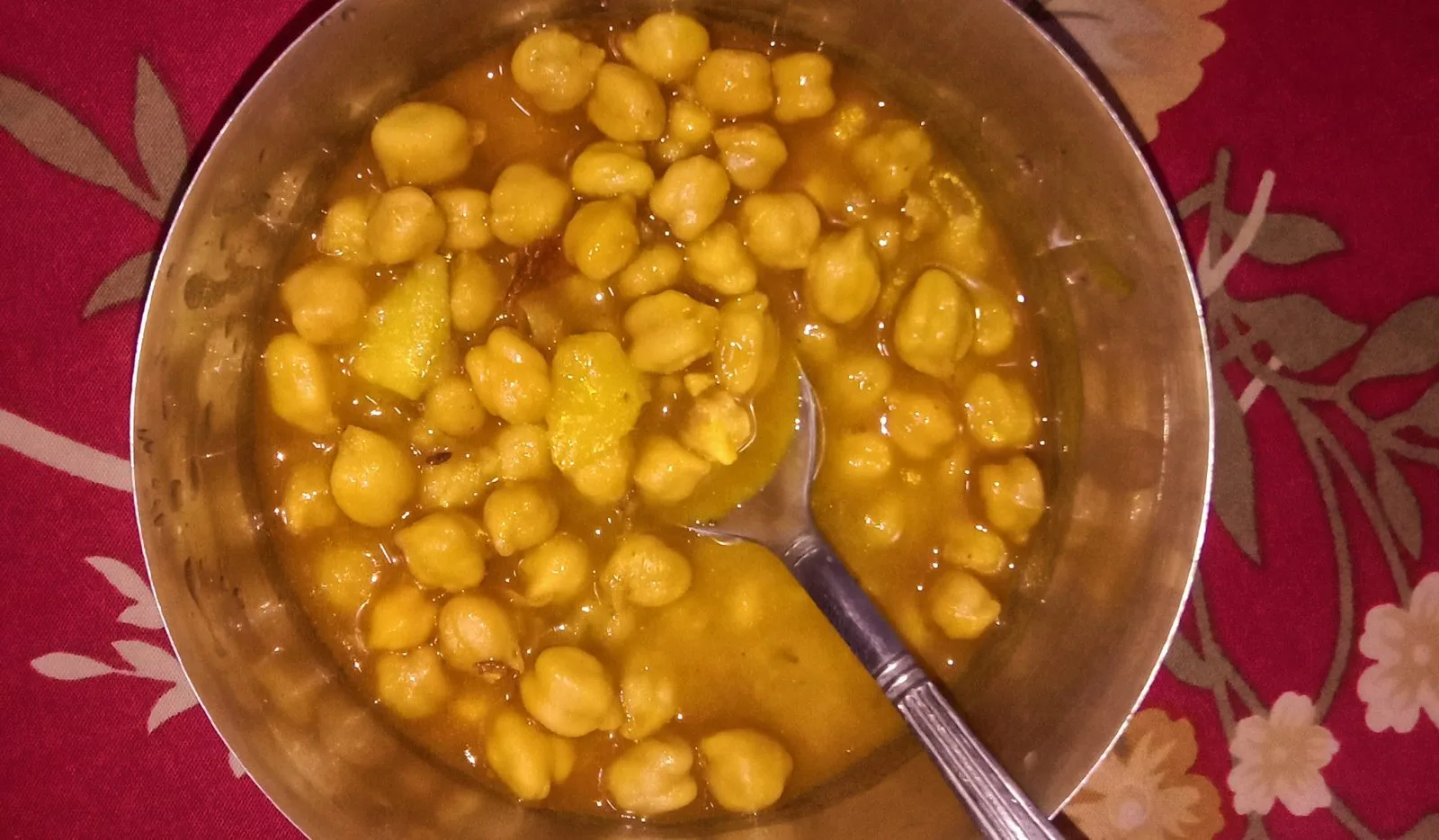
Photo: Billjones94 / CC BY-SA 4.0
The Masala Dabba: Spice Box Basics for Every Desi Kitchen
What is a masala dabba?
A masala dabba, also called a spice box or a masala box, is a round tin with a lid and a set of small bowls inside, usually seven, with a tiny spoon. You find one in most South Asian kitchens. The idea is simple: keep the spices you use every day in one place, in small amounts, right next to the stove. Bigger packs go in a cupboard and refill the box when it runs low.
You do not need to buy a special tin. A tray with small jars or a row of small containers works just as well. What matters is the choice of spices and how you store them.
The usual seven
Families fill the bowls differently, but this is a common set:
| Spice | What it does | Typical use |
|---|---|---|
| Turmeric (haldi) | Earthy flavor, yellow color | Almost every curry and daal |
| Red chili powder | Heat and color | Curries, marinades, chutneys |
| Coriander powder | Mild, citrusy, thickens gravy | Base for most masalas |
| Cumin seeds (zeera) | Warm, nutty flavor | Tempering and rice dishes |
| Mustard seeds (rai) | Sharp, pops in hot oil | South Indian and Bengali dishes |
| Garam masala | Warm finishing blend | Added near the end of cooking |
| Salt | Seasoning | Everything |
Some boxes include cumin powder, black pepper, fenugreek seeds, asafoetida (hing), or dried red chilies instead of one of the above. Choose what you cook.
How to use each one
Turmeric is used in small amounts, about 1/4 to 1/2 teaspoon (1 to 2 g) for a pot of daal for four. Too much tastes bitter.
Red chili powder varies hugely in heat between brands. Start with 1/2 teaspoon (about 1 g) in a family pot and adjust. For mild versions, use Kashmiri chili powder, which gives color with less heat.
Coriander powder is generous: 1 to 2 teaspoons (2 to 4 g) is normal for a curry for four.
Cumin seeds are best added to hot oil first. They should sizzle for a few seconds and turn a shade darker, but not burn. This step is called tempering, or tarka.
Mustard seeds pop when they hit hot oil. Cover the pan briefly so they do not jump out, and wait for the popping to slow before adding the next ingredient.
Garam masala is a blend, often made from cardamom, cinnamon, cloves, black pepper and cumin. Add about 1/2 teaspoon (1 g) at the end of cooking, since it loses aroma if boiled for a long time.
Whole versus ground
Whole spices (seeds, sticks, pods) keep their flavor for longer than ground ones. If you cook often, buy whole cumin, coriander and pepper and grind small batches in a spice grinder or a mortar. Toasting whole spices for a minute in a dry pan before grinding brings out more flavor. Ground spices are convenient and perfectly fine, but they fade faster.
Keeping them fresh
- Keep them away from heat and light. A shelf above the stove is the worst place for the main supply. The small box beside the stove should hold only a few weeks of spices.
- Use airtight containers and keep the lids closed.
- Use a dry spoon. Moisture ruins spices and can lead to clumping and mold.
- Label and date larger jars when you open them.
- Smell them. Fresh spices smell strong. If you have to hunt for the aroma, the spice is tired. It is not harmful, just weak, and you will need more of it.
- As a rough guide, ground spices stay at their best for around 6 months and whole spices for 1 to 2 years, though this varies by brand and storage.
A starter list for a new cook
If you are setting up your first kitchen, start with:
- Salt
- Turmeric
- Red chili powder
- Coriander powder
- Cumin seeds
- Garam masala
- Black pepper
With these seven, you can make daal tadka, chana masala, aloo gobi and a chicken karahi. Add mustard seeds, fenugreek, cardamom, cloves and cinnamon as you try more recipes.
A basic tadka, step by step
A tadka (tempering) turns plain lentils into something special, and it takes 2 minutes.
- Heat 1 to 2 tablespoons (15 to 30 ml) of oil or ghee in a small pan over medium heat.
- Add 1 teaspoon cumin seeds. Wait for them to sizzle.
- Add sliced garlic, dried red chilies or chopped onion and cook until golden.
- Add a pinch of red chili powder off the heat, so it does not burn.
- Pour the hot mixture over the cooked daal and cover for a minute.
Allergy and safety notes
- Some ground spice blends are mixed with other ingredients such as flour or salt, and some are processed in facilities with nuts, mustard or sesame. Read labels if anyone in your household has an allergy.
- Buy spices from sources you trust. Reputable brands and fresh stock matter.
- Keep chili powder away from children and avoid touching your eyes after handling it.
Keeping the box useful
Spices run out quietly. A masala dabba that has an empty bowl is a classic cause of a half-finished curry. Check it once a week when you are at the stove. If you use Degchi, an Android app, you can mark a spice as low in your pantry list, and it adds to your shopping list. A paper note on the fridge does the same job. Either way, refilling the box before a bowl empties makes cooking calmer.
Related recipes
Related posts

Dry Roasting Whole Spices: Timings and Grinding at Home
Roasting whole spices takes minutes and changes a dish. What to watch for in each spice, why they go bitter, how to cool and grind them, and how long the powder keeps.
A 10-Minute Spice Shelf Audit: Keep, Refresh or Toss
Instead of guessing whether the cumin is still good, run a ten-minute audit with your nose and a spoon. Three piles: keep, refresh, toss.
How Long Do Spices Last? Whole vs Ground
Old spices rarely turn dangerous, they just fade. Here is how long whole and ground spices keep their flavour, how to test a jar, and how to store them.
Garam Masala vs Chaat Masala vs Curry Powder
Three jars, three jobs. What each blend contains, which one goes in at the end, which one gets sprinkled on top, and why curry powder is a different animal.