 Degchi
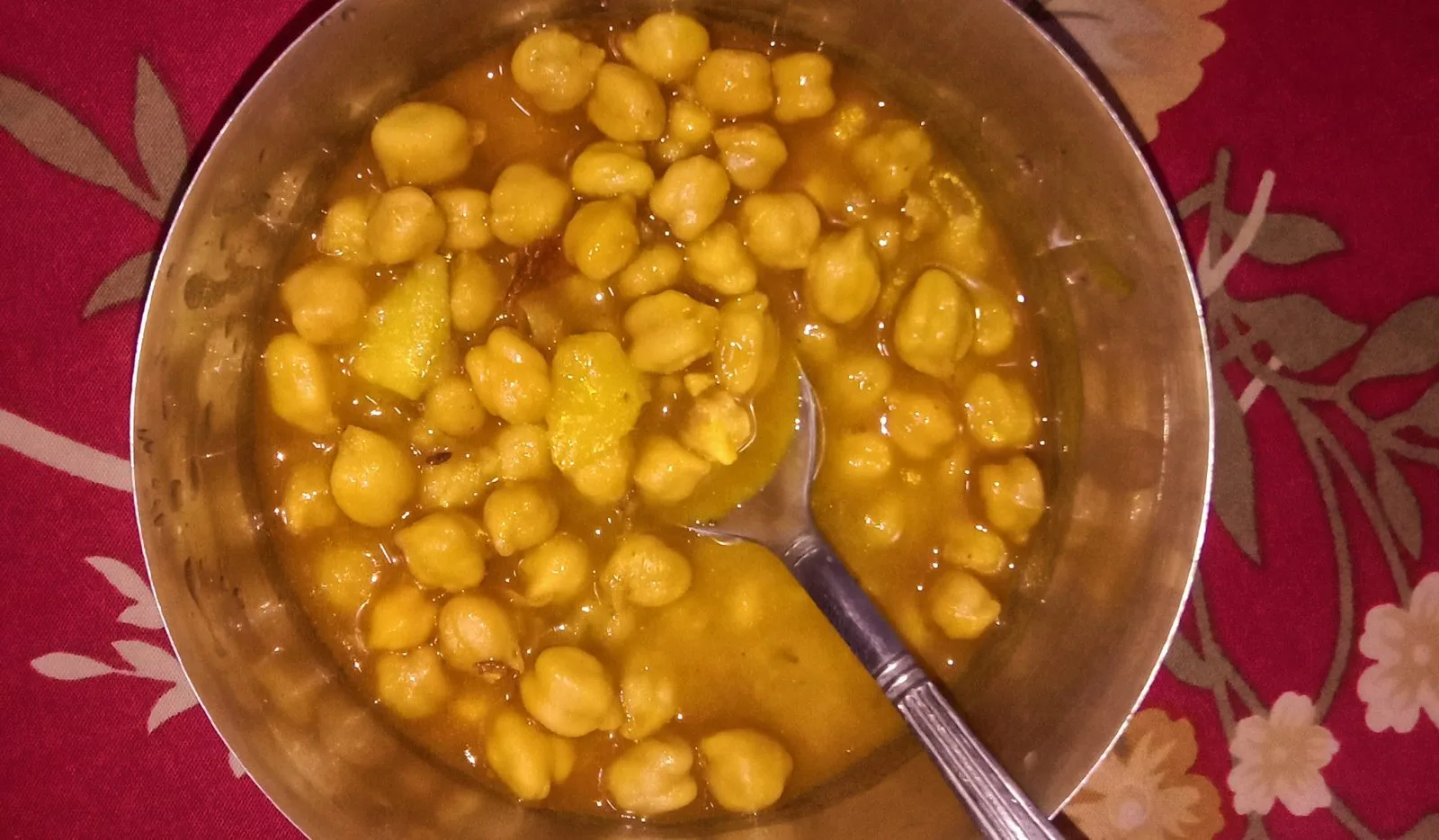
Photo: Billjones94 / CC BY-SA 4.0
Dry Roasting Whole Spices: Timings and Grinding at Home
Two minutes in a dry pan
Cumin seeds in a jar smell faintly of earth. Put them in a hot dry pan for a minute and the whole kitchen fills with a warm, nutty smell. That change is the point of dry roasting: heat releases the aromatic oils and drives off some of the raw edge. Done well, a spoon of freshly roasted ground cumin will lift a dish more than twice the amount of old powder. Done badly, the spices turn bitter and acrid, and you have to throw them away.
Here is how to get it right, spice by spice, and what to do with the result.
The method
- Use a dry, heavy pan on medium-low heat. A thin pan has hot spots.
- Add one spice at a time, since they roast at different speeds. Do not mix them in the pan.
- Keep them moving. Shake or stir continuously.
- Use your nose and eyes, not just a timer. When the aroma becomes strong and the colour deepens a shade, they are done.
- Tip them out onto a plate immediately. The pan holds heat and will keep cooking them if you leave them in.
- Cool completely before grinding. Warm spices grind into a gummy paste and release moisture that shortens shelf life.
Timing guide
These are approximate for a small batch, 2 to 3 tablespoons, on medium-low heat. A larger batch or a different pan changes the time.
| Spice | Time | Signs it is ready | Watch for |
|---|---|---|---|
| Cumin seeds | 1 to 2 min | Darkens a little, strong aroma | Bitter when overdone |
| Coriander seeds | 2 to 3 min | Light golden, citrus-nutty smell | Pops and jumps slightly |
| Fennel seeds | 1 to 2 min | Fragrant, lightly golden | Burns quickly |
| Mustard seeds | Under 1 min | Pops, jumps | Use a lid |
| Whole red chillies | 30 seconds | Slightly darker, puffs | Fumes, ventilate |
| Cloves, cinnamon, cardamom | 1 to 2 min | Warm aroma | Easy to overdo |
| Black peppercorns | 1 to 2 min | Slightly more fragrant | Minimal change |
Mustard seeds are usually popped in oil rather than dry-roasted. If you roast them dry, cover the pan.
What goes wrong
Bitterness. The pan was too hot or the spices stayed in too long. Once spices turn dark brown or black, discard them.
Uneven roasting. Different-sized spices roasted together. Roast each separately.
Weak smell. The spices were old before you started. Roasting cannot restore flavour that is already gone. If you suspect yours are stale, our spice shelf audit and how long spices last posts explain how to check.
Grinding
A spice grinder, a clean coffee grinder reserved for spices or a mortar and pestle all work. Grind in short bursts so the motor does not heat the powder. For a fine texture, sift and re-grind the coarse bits. If you are unsure which tool suits you, we compared them in grinder vs mortar vs blender.
Wipe the grinder after use. Clean it by grinding a spoonful of raw rice to a powder, which picks up oils and odours, then discard the rice powder and brush it out.
A simple roast-and-grind combination
A basic mix to keep on hand, as a starting point:
- 3 tablespoons coriander seeds
- 2 tablespoons cumin seeds
- 1 tablespoon fennel seeds
- 1 teaspoon black peppercorns
Roast each separately, cool, grind together and store. Use it as a base in chana masala, karahi or sprinkled over chana chaat. Taste before you add: a freshly ground blend is stronger than old powder, so start with less than a recipe written for packet masala.
Storage
Store ground spices in a small airtight jar, away from heat, light and steam. Glass jars in a cupboard are better than a rack above the stove. Freshly ground blends are at their best in the first month or two and decline gradually after that. Small batches are better than a big jar that sits for a year. Label the jar with the date. If it no longer smells strong when you open it, it will not do much in the pot.
Whole spices keep their character longer than ground, which is why many cooks roast and grind only what they will use in a few weeks.
Safety notes
- Chilli fumes can irritate eyes and throat. Open a window and turn on the extractor.
- Do not leave a pan of spices unattended. They can go from ready to burnt in seconds.
- Keep a lid nearby for popping seeds.
- Dry spices can catch fire if overheated. If this happens, cover the pan with a lid and turn off the heat, and never use water.
Roasting versus tempering
Dry roasting is different from tadka, where spices are fried in hot oil or ghee at the start or end of a dish. Both release flavour, but they do different jobs. Our post on what tadka is explains the difference.
Putting it to use
A Sunday ten-minute session of roasting and grinding gives you a jar that lasts several weeks of dinners. Add whole cumin, coriander and fennel to your Degchi shopping list and tick them off in the pantry when you have restocked.
Related recipes

Related posts

The Masala Dabba: Spice Box Basics for Every Desi Kitchen
A masala dabba is a round steel box with seven small bowls. Here is what usually goes in it, what each spice does, and how to keep them fresh.
Masala Grinder vs Mortar vs Blender: Which to Use
Three tools, three jobs. A blender makes paste, a small grinder makes dry powder and a mortar handles small jobs and coarse crushing. Here is how to match them to your recipes.

Garam Masala vs Chaat Masala vs Curry Powder
Three jars, three jobs. What each blend contains, which one goes in at the end, which one gets sprinkled on top, and why curry powder is a different animal.
How Long Do Spices Last? Whole vs Ground
Old spices rarely turn dangerous, they just fade. Here is how long whole and ground spices keep their flavour, how to test a jar, and how to store them.