Degchi
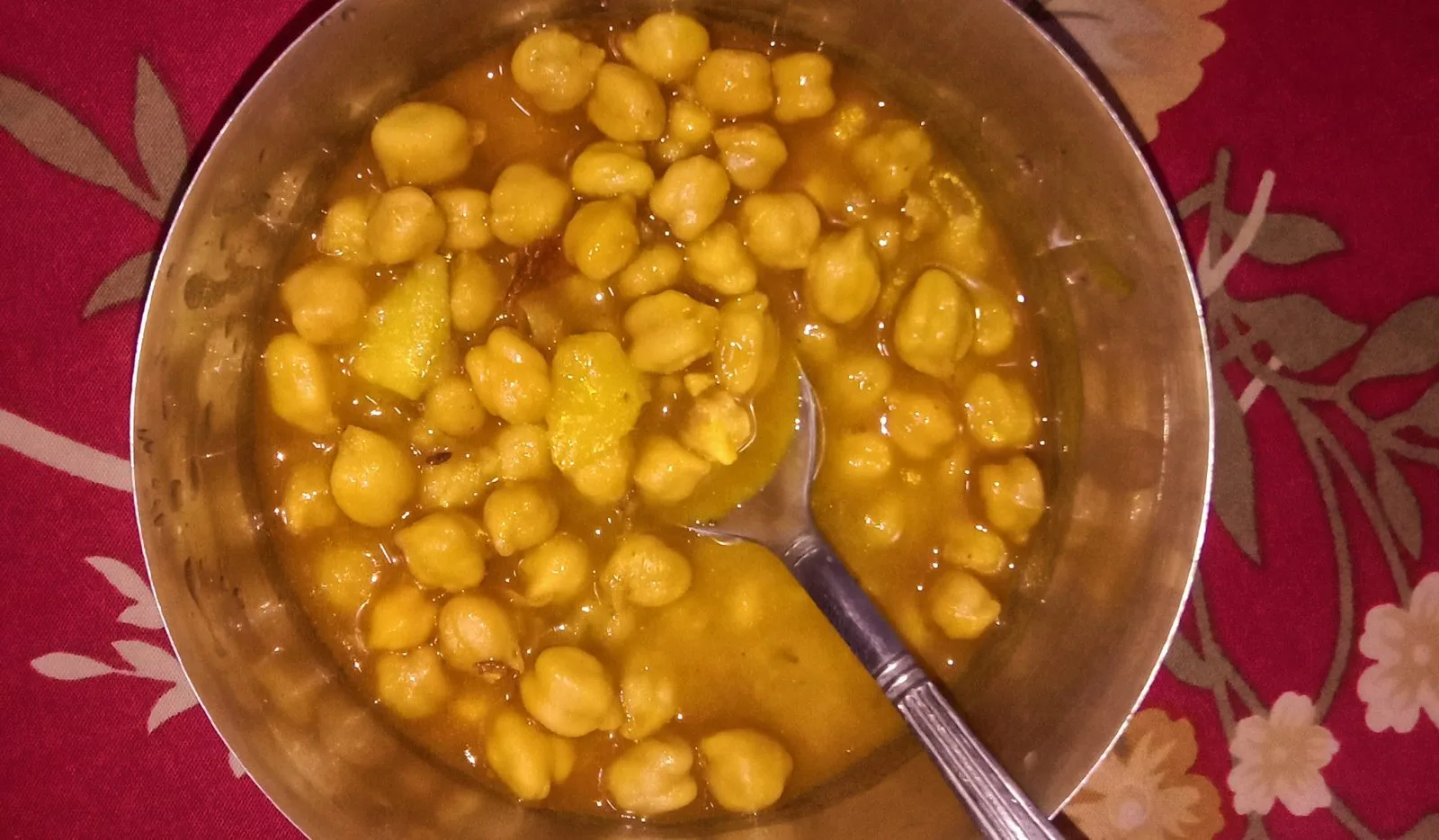
Photo: Billjones94 / CC BY-SA 4.0
Masala Grinder vs Mortar vs Blender: Which to Use
Whole cumin goes into the blender and comes out as a gritty smear stuck under the blade. Ginger-garlic paste in the same blender turns into a watery foam unless you add liquid. The tool is not bad. You just handed it the wrong job.
Most desi kitchens need three kinds of grinding: wet paste, dry powder and coarse crushing. One machine rarely does all three well, so here is how to match each task to a tool.
Ginger-garlic paste: blender or mortar
Ginger and garlic appear in almost every recipe in our library as a paste. Chicken karahi uses 1 tablespoon of each, stirred into hot oil for 20 to 30 seconds until the raw smell is gone. The daal uses 1 teaspoon of ginger paste. These are small amounts.
- Blender. Best for batches. Peel, chop roughly, add a spoon of oil or water to get the blades moving, and blend until smooth. The trade-off is that it is awkward for less than a handful of cloves, because the blade just spins above them.
- Mortar and pestle. Best for a tablespoon or less. Crush a pinch of salt with the cloves first, since the salt acts as grit. It takes a few minutes, and the paste has a coarser, juicier texture that fries well. It also releases more pungent oil than a fast blade does.
- Small grinder jar. Works for wet pastes if it is a wet-grinding jar and not the dry-only type. Check the manual.
If you make a weekly batch, see ginger-garlic paste at home and how to store it for storage guidance. Do not keep it at room temperature.
Dry masalas: a grinder, with whole spices
For powders, you need dry, hard spices and a blade that can pulverise them. A small electric spice grinder is built for this. A blender jar is too wide, so spices scatter at the sides and the powder comes out uneven.
Use cases from our recipes:
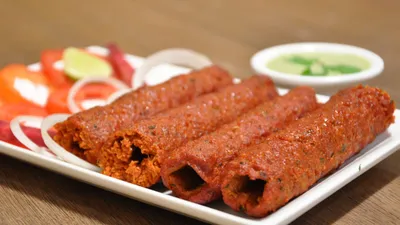
- Roasted crushed cumin. The seekh kabab mixture calls for roasted, crushed cumin. Toast the seeds in a dry pan until fragrant, cool them, and crush. A mortar gives the coarse bits you want in a kabab mix. A grinder gives a fine powder.
- Biryani masala and garam masala. Our chicken biryani uses 2.5 tablespoons of biryani masala, a lot of spice for one pot. If you make your own, grind it in small batches. Whole spices keep their flavour longer than ground ones, so grind what you will use within weeks. Our post on how long spices last has the numbers.
- Chana masala. Spiced chickpea dishes like chana masala are a good place to use freshly ground cumin and coriander, if you keep whole seeds.
Tips for dry grinding:
- Toast lightly. Cool the spices fully before grinding, or the steam turns the powder into a paste.
- Work in short pulses. A long run heats the spices and dulls the flavour.
- Clean between spices. A spoon of raw rice, run through the grinder, picks up oils and smells. Discard it afterwards.
- Sieve for smooth masalas. Pass the powder through a fine strainer and regrind the leftovers.
What a mortar still does best
A mortar is slow and quiet, and it does things machines cannot:
- Cracking whole cardamom, black pepper or cinnamon sticks without turning them to dust.
- Crushing a few garlic cloves for a tarka.
- Making a pinch of chaat masala or a rough spice crush for sprinkling.
- Pounding green chillies and salt into a coarse paste.
The downside is effort and time. Anything more than 2 tablespoons becomes a chore.
A blender for onion and tomato bases
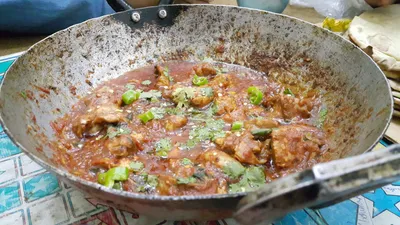
Wet masalas are where a blender helps most. Our chicken handi uses 250 g (1.6 cups) of pureed tomato, and many gravy recipes call for blended onion or pureed tomato. The blender is the right tool for that, and the dry grinder is not.
Two small cautions. First, blend tomatoes without adding extra water if you can, because the recipe's liquid balance depends on it. Second, let hot onions cool a few minutes before blending, since hot liquid in a closed jar can push the lid open. Use the vent in the lid and hold it with a towel.
Which tool for which job
| Job | Best tool | Why |
|---|---|---|
| 1 tbsp ginger or garlic paste | Mortar | Small amounts, strong flavour, no cleaning a jar |
| A week's ginger-garlic paste | Blender with a splash of oil | Fast and smooth |
| Whole cumin, coriander, pepper | Dry spice grinder | Pulverises dry seeds evenly |
| Coarse crushed cumin for kabab | Mortar | Control over size |
| Pureed tomato or fried onion | Blender | Handles wet, bulky food |
| Garam masala batch | Dry grinder, small portions | Fresh flavour, uneven in a blender |
Cleaning and safety
Wash the jar fully after garlic or onion, since the smell lingers. Keep dry grinder jars dry. Wet one can make powders clump and rust the blades. Unplug the machine before cleaning it, and never put your fingers near the blades.
Starter kit for a small kitchen
If you can only buy two things, choose a standard blender and a small mortar. If you add one more, buy a small spice grinder. That covers pastes, purees and powders, and it is enough for most of the recipes you will find on this site. If you want a quick idea of which recipes your current spices already support, Degchi can check the pantry list for you.