 Degchi
Photo: User:Justinc / CC BY-SA 4.0
What Is Tadka? Tempering Explained With Real Recipes
The daal is cooked, soft and a little dull. Then someone heats a spoon of ghee, drops in cumin and garlic, and pours the sizzling mix over the pot. The kitchen smells different within seconds. That last step has a name, and if you have been wondering what is tadka, it is exactly that: spices fried briefly in hot fat, then added to a dish.
What is tadka, in one paragraph
Tadka is a tempering technique. Whole spices, sometimes with dried chillies, ginger, garlic or curry leaves, are cooked for a short time in hot oil or ghee, and the whole pan is poured into the dish or used as the base of it. The point, as one reference puts it, is to release the essential oils in the spices into the fat. It takes about a minute or two, which is why it is easy to burn.
Names you will hear
The same idea has different words depending on where you cook.
- Tadka or tarka (Hindi, Urdu, and most menus)
- Baghar (Hindi)
- Chaunk (Hindi, often in northern homes)
- Phoran (Bhojpuri)
- Oggarane (Kannada)
- Tarqa (the Arabic-speaking cousin; our mulukhiyah fries garlic and coriander in ghee for 30 seconds and stirs it into the pot)
South Indian cooks often temper with mustard seeds and curry leaves, and Bengali cooks often use the five-seed mix panch phoron. We stick to the names we could confirm.
What goes in first
Here is the rule: whatever needs the longest in the fat goes in first, and the delicate things go in last. Our recipes show it clearly.
In dal tadka, the order is:
- Ghee, medium heat.
- Cumin seeds, up to a minute, until they crackle and smell fragrant.
- Lower the heat. Garlic and whole red chillies, 2 minutes, until the garlic is pale gold. Burnt garlic turns the dal bitter.
- Onion, 5 minutes until golden.
- Tomato and red chilli powder, 3 minutes, until the oil shines at the edges.
In our plainer daal the tarka is shorter: 2 tablespoons of hot ghee, cumin for just 10 to 15 seconds and sliced garlic for 30 to 40 seconds until golden. That is the quick version.
Ground spices like red chilli powder are the most likely to scorch, so they go in last, or off the heat.
How hot should the fat be
Hot enough that cumin sizzles at once, and not so hot that it smokes. Ghee and mustard oil are both listed at around 250 C (480 F) for their smoke point on one food-science reference, while unrefined butter is closer to 150 C (302 F). The same source says smoke points drop as an oil is refined less, stored for longer or reused. Treat any number as a ceiling, not a target: your pan is never at one even temperature.
In practice, the cue is the cumin. Drop one seed in. If it sizzles right away, add the rest. If it blackens in seconds, you are too hot. Take the pan off the heat, let it cool for a moment, and add the garlic.
At the start or at the end
Tadka can come either side of the cooking.
At the start. The fat and spices are the foundation, and the other ingredients are added afterwards. In our upma, oil goes in first, then mustard seeds and curry leaves until they crackle, then onion and vegetables, then water and semolina.
At the end. The tadka is poured over a finished dish, sometimes called a finishing tarka. Our daal, chana daal, musurir dal and rasam all finish this way. Kadhi gets a 30-second cumin tempering poured over the top too.
The practical difference: a finishing tadka goes into the dish for only a minute or so, while a starting tadka cooks along with everything else.
Four tempering styles from our recipes
| Style | Fat | Spices | Recipe |
|---|---|---|---|
| Cumin and garlic over daal | Ghee | Cumin, garlic, whole red chilli | Dal tadka |
| Panch phoron and garlic | Oil | Five-seed mix, garlic, red chilli | Musurir dal |
| Mustard seed and curry leaf | Oil | Mustard seeds, curry leaves, red chilli | Rasam |
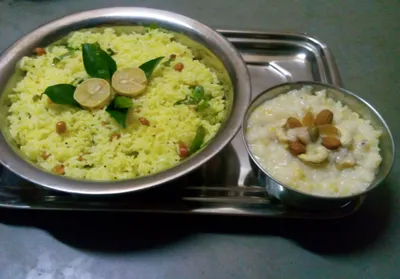
| Mustard, lentils, peanuts | Oil | Mustard seeds, split lentils, peanuts, curry leaves, turmeric | Lemon rice |
Lemon rice is a good practice recipe, because the tempering takes 3 minutes and the turmeric goes in with the heat switched off, so it does not burn. Pour the tempering over cooled rice. Our tip says warm rice turns mushy and clumpy when mixed with lemon juice.
Common mistakes
- Garlic goes in with the cumin. Garlic burns faster. Add it after the cumin, on lower heat.
- Pan not hot enough. The spices soak up fat instead of frying. Wait for the sizzle.
- Walking away. A tadka is a minute of attention. Have everything chopped before the pan goes on.
- Not covering the pot. Dal tadka covers it for 1 minute after pouring, to trap the aroma.
- Making it ahead. Our dal tip says it directly: always make the tadka fresh.
If your daal still tastes flat after a good tempering, see why your daal tastes flat. For spice basics, our masala dabba guide lists what to keep next to the stove, and the ghee or oil guide covers which fat suits which dish.
Tempering is easier when the pantry is ready. If you want to check you hold the cumin, garlic and ghee before you start, the pantry planner at Degchi can show it.
Related recipes
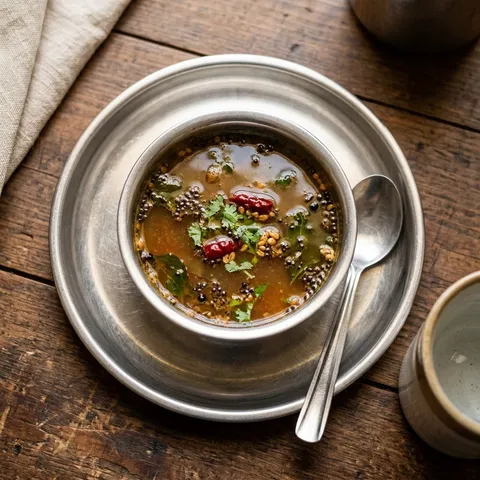
Related posts
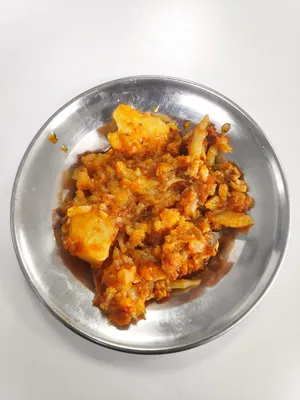
Cooking Desi Food in a Small Apartment: Smells, Smoke and Ventilation Without the Stress
Tempering spices in a tiny kitchen can set off alarms and leave the smell in your curtains. A few habits keep the cooking and the peace.
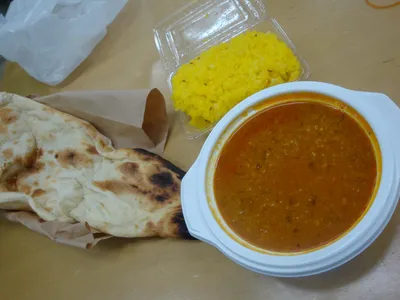
One Sunday Pot of Daal, Three Different Dinners
One pot of plain daal can become a soup, a dry-ish side and a quick khichdi. Here is how to stretch a single batch across the week.
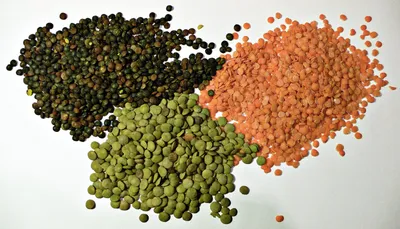
Why Does My Daal Taste Flat? Tadka and Seasoning Fixes
The lentils are soft, the colour is right, and it still tastes like nothing. Check these seven things, in this order, before you add more spice.
Tadka at the End or Spices at the Start? Two Different Jobs
When a recipe says tadka, is the oil going in first or last? Same word, two jobs, and getting it backwards is a quiet way to ruin a pot of daal.